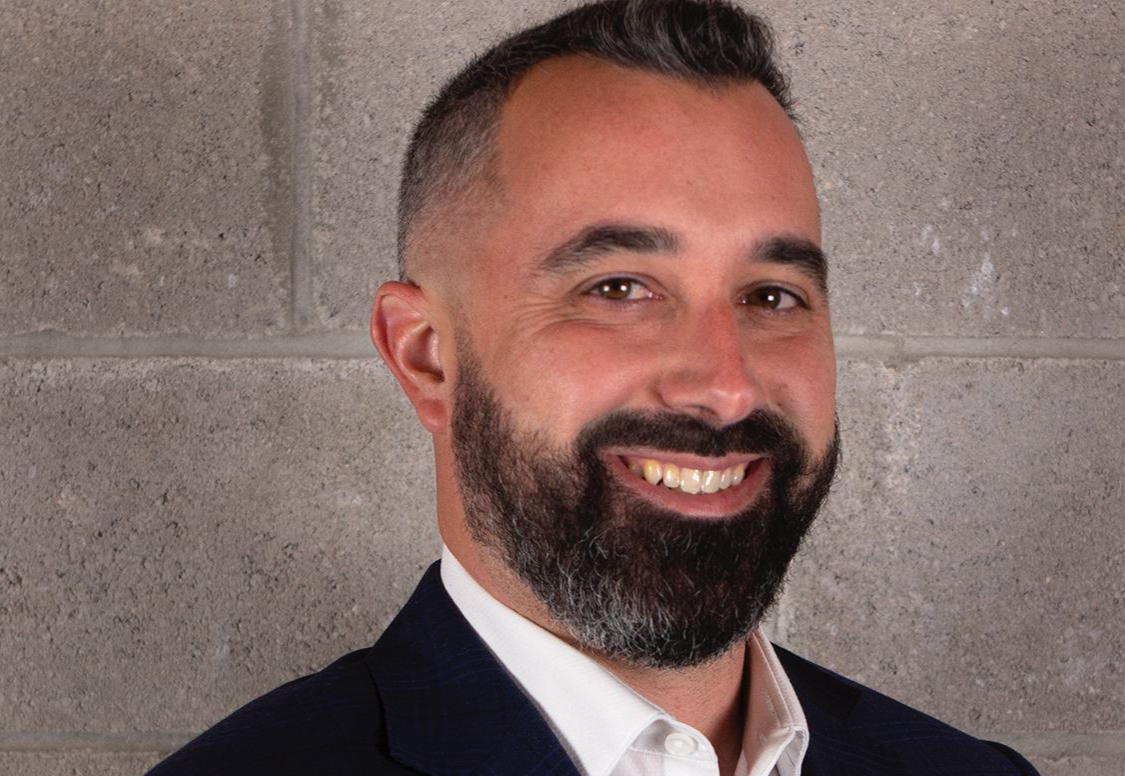
Get to know our new editor-in-chief!
Brad Racino on accountability, impact and Floodlight’s future.
What drew you to Floodlight and to climate journalism more broadly?
Let me count the ways ...
First, I was lucky enough to sharpen my teeth as a reporter within the nonprofit news ecosystem, and it's a bubble I never want to leave. There's so much more willingness within nonprofits to experiment with different storytelling techniques, partnerships, and approaches than exists within legacy newsrooms — which are often averse to any kind of change in response to ever-evolving reader habits. And Floodlight embraces that culture. Plus, while the team is small in size, everyone on staff is just so, so good at their jobs, and joining this group was a no-brainer for me — this is exactly the kind of environment every reporter and editor strives to have.
On the topic of climate journalism, it's one of the few subjects I haven't covered in my past life as a reporter, so right off the bat, I looked forward to the challenge of immersing myself in a new coverage area. But also — I have kids. I want them to grow caring about this problem. I want them to know their father spent his work life trying to make the world a little more informed, and a little less corrupt, about arguably the biggest threat facing humanity.
What’s one investigation you’ve worked on that shaped how you think about accountability journalism today?
I think we all do this work because we want things to change for the better — we identify a problem and hope to see it addressed, whether that's a change to a law, a bad actor held to account, a community's plight addressed in a meaningful way, etc. But with the absolute firehose of news flooding our feeds 24/7, it's that much more difficult to capture people's attention and keep the spotlight on a problem.
And there were several stories I worked on, either as a reporter or an editor, that solidified my belief that it's not enough anymore to just publish one big investigation and expect any kind of impact in terms of accountability.
So, I've become an advocate for digging into whatever we've committed to cover by acting like a dog with a bone. We hammer that topic. We don't do just one big story. Instead, we do the main story, then we do the condensed version for people who don't have time to read the longer version. We do a reporter Q&A on the topic, we publish an interview with a lawmaker, we publish a story about what we’d ask if we were lawmakers conducting a hearing on the topic. We create 90-second videos for social. If we see no movement on the issue post-publication, we do followup reporting about that inertia. We just keep going until we've exhausted all avenues of engagement.
No reporter or editor can guarantee that a story is going to change things for the better, but there are ways to up that chance.
Recently, we did something like that during my time at New York Focus with an investigation into a health insurance company providing terrible coverage to hundreds of thousands of home health aides (workers who provide state-funded care to elderly and disabled people) across the state. The result? The company responsible committed to providing better coverage at the end of last year, which will be a godsend for all of these workers, who are overwhelmingly women and mostly immigrants. If we hadn't kept on this story and exhausted our avenues of engagement, I'm almost certain nothing would have changed.
What are you most looking forward to at Floodlight? Are there particular stories or areas you’re excited to dig into?
I'm excited about it all, to be honest. Just about every pitch I've heard so far from our reporters has been a homerun, in my opinion. Ames is so good and has this sort of work in his blood. Evan is an incredible reporter and videographer, and I'm eager to get back into video work with him (something I spent a lot of my early career doing). And Garrett, our newest hire in Louisiana, has already hit the ground running, and I expect we'll see some stellar investigations out of him very soon.
I'm also really looking forward to working closely with Rosie on our partnerships and building out our newsletter, and with Emily on bigger picture strategy and streamlining our internal processes to elevate the journalism.
At a time when journalism feels under real pressure, what gives you hope about the future of the field?
The nonprofit model gives me hope. While legacy papers are shuttering across the country (two and a half per week, on average), the nonprofit ecosystem continues to grow. Median revenue among these organizations is increasing, partnerships are expanding, and they're becoming more and more the go-to news source, especially for local news.
How do you recharge outside the newsroom? What does a perfect day off look like for you?
As I mentioned earlier, I'm a father to two young, rambunctious boys, so those "recharging" opportunities are hard to come by. But I'm happiest when we're all together, my phone and laptop are far away, and we're roasting s'mores by the fire, or snuggled up eating popcorn and watching some '80s movie (Goonies all the way), or just playing catch in the backyard. I'm simple that way.