Inside the reporting: Using a thermal drone to investigate xAI’s power plant
A Q&A with reporter Evan Simon on how this first-of-its-kind investigation came together.


Last month, we published an investigation into Elon Musk’s Mississippi power plant fueling Colossus 2, the massive data center powering xAI’s Grok chatbot. Using thermal drone imagery, our reporting showed more than a dozen gas turbines operating at the site without state permits.
Published in partnership with The Guardian and republished by newsrooms in Mississippi and beyond, the story and its striking images have reached more than 1.5 million people so far, underscoring the national stakes of what’s happening in this small city.
Now, Floodlight reporter Evan Simon has released a mini-documentary of the investigation.
I caught up with Evan to talk more about what it took to report a first-of-its-kind story like this — from getting his drone piloting license to how a bad storm nearly ruined our plans.
— Rosie Gillies, Floodlight director of audience
For readers just coming to this story, what did Floodlight’s investigation find about how xAI is powering its Mississippi data center, and why does it matter?
We used a thermal drone to prove Elon Musk’s artificial intelligence company was violating longstanding Environmental Protection Agency rules under the Clean Air Act. The images we captured of xAI’s custom-built gas plant in Southaven, Miss., were the first of their kind, revealing the true scope of a hastily built facility that until then had remained largely hidden from public view.
Most importantly, though, the thermal images proved that xAI was running more than a dozen unpermitted turbines at the site — a clear violation of federal law, according to a former EPA air enforcement chief I spoke with.
Why does it matter? Well, as AI data centers proliferate across the country, they are increasingly relying on “behind the meter” gas plants like the one in Southaven for power. Our investigation documented the brazen rulebreaking occurring at one of the nation’s largest data centers and exposed how state and federal regulators have done nothing to stop it.
At what point did you realize that standard reporting tools wouldn’t be enough for this story and that thermal drone imagery could actually show what was happening on the ground?
I’ve always been drawn to using new reporting tools, especially those that can help visualize environmental threats in compelling and unique ways. I’ve used tracking devices to investigate plastic recycling claims and handheld gas detectors to hunt down leaking, abandoned oil wells. I’d been interested in using thermal cameras ever since I read about how the Southern Environmental Law Center used them to catch xAI running more than 30 unpermitted turbines in Memphis last year. I immediately wondered if there was a way to incorporate that kind of technology in my reporting. SELC had flown a photographer with a handheld thermal camera in an airplane, but I was most interested in using a drone.
So, I started researching and found that thermal drones were often used to inspect industrial facilities, and once I started hearing about xAI’s gas plant in Southaven, I prepared for a trip to Mississippi.
 Evan Simon/Floodlight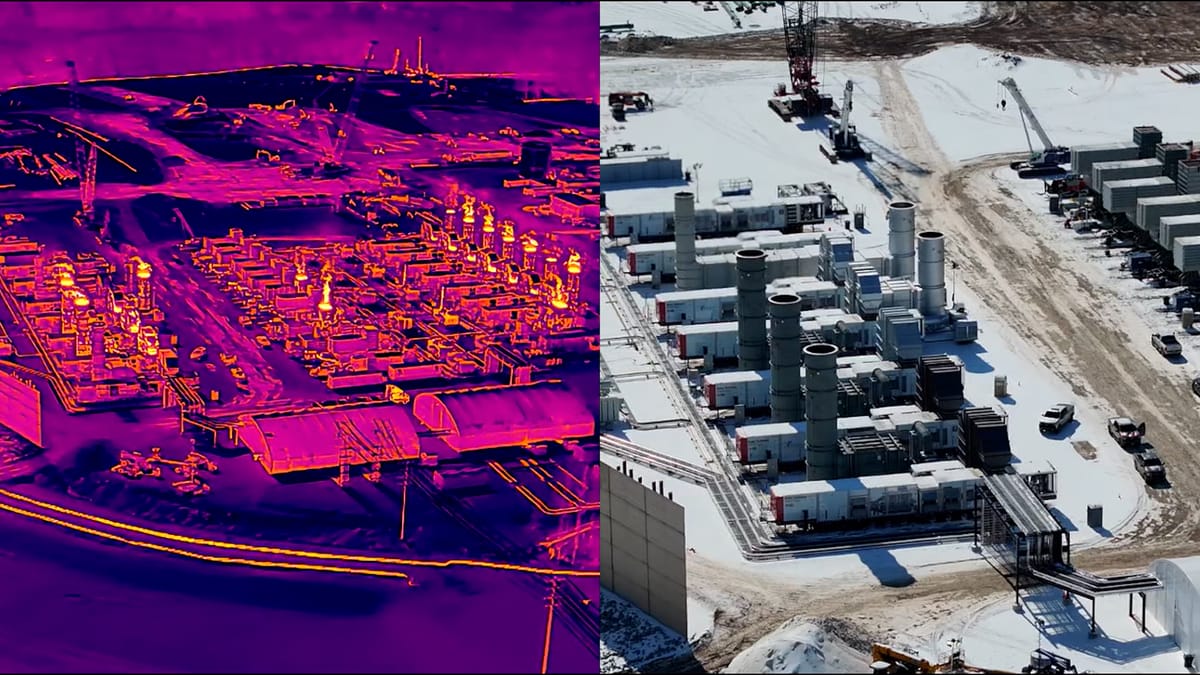
 Evan Simon/Floodlight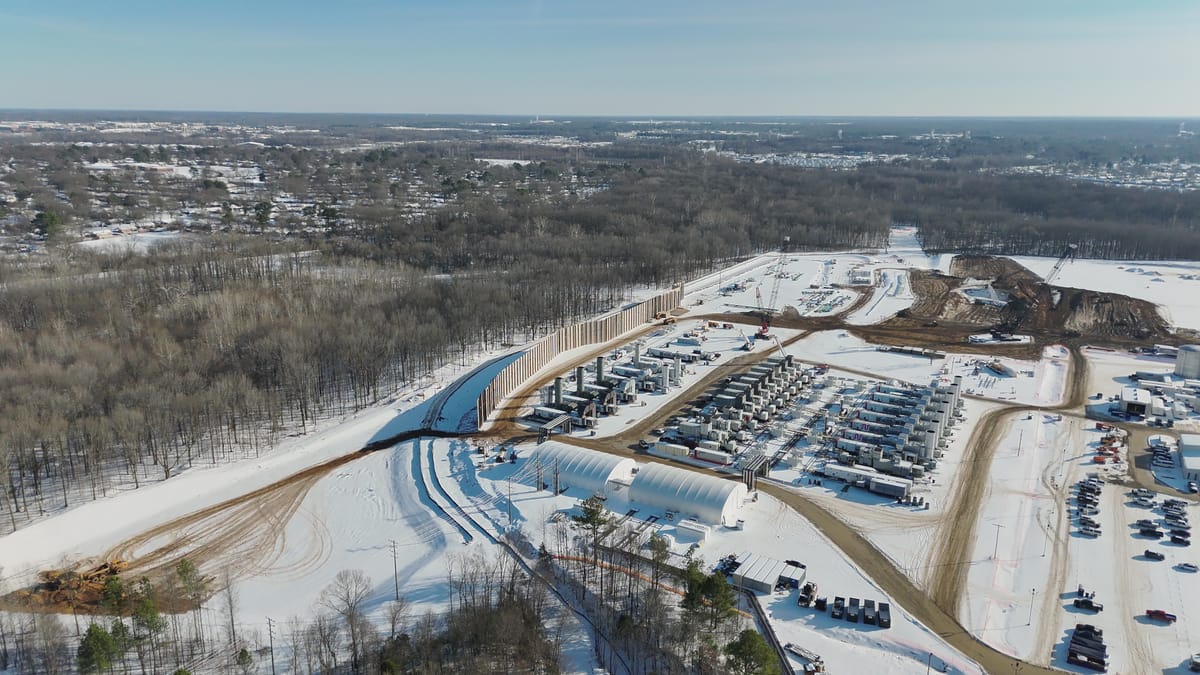
Can you walk us through the logistics and constraints of using a thermal drone for reporting, including legal considerations and how you planned the flight?
Lifting the thermal drone into the air that day took months of preparation, and I think that might help explain why Floodlight appears to be the first newsroom to have done something like this.
The journey actually began months prior, when Floodlight supported my wish to get a Part 107 drone operator’s license. Once I passed my test and had my license, I had to log a lot of flight hours to feel comfortable enough flying the drone on assignments.
Safety and legality are the most important aspects of any drone flight, and the Mississippi deployment was no different. I consulted Federal Aviation Administration airspace maps and used a flight plan approval process to ensure we would be flying legally at all times. I also had to make sure there was a safe and legal place for me to take off that would provide a good view of the gas plant while also allowing me to keep my eye on the drone at all times.
I tried flying from a nearby park, but the ceiling of the controlled airspace wouldn’t allow me to get high enough above the treeline. While I could have flown from the side of a public road directly outside the facility, for safety reasons, I wasn’t keen on the likely prospect of being approached by private security while operating the drone.
Thankfully, Krystal Polk, one of the Southaven residents whom I planned to interview, owned a home directly across the street from the plant, and she was more than happy to let me fly from her backyard. Despite being so close to the facility, fences and treelines prevented her — and most Southaven residents — from ever getting a good look at it. So she was eager to see it for the first time.
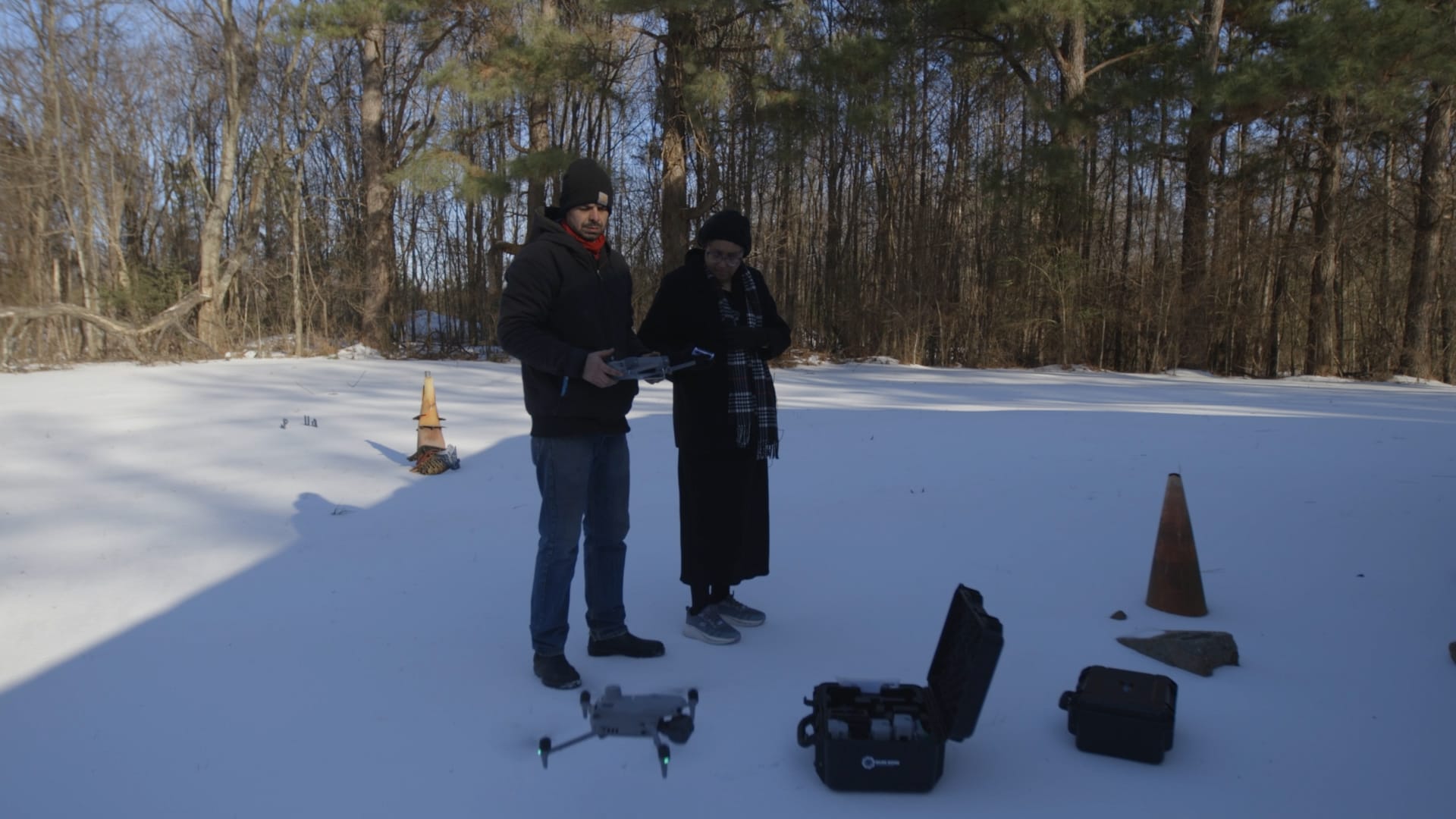
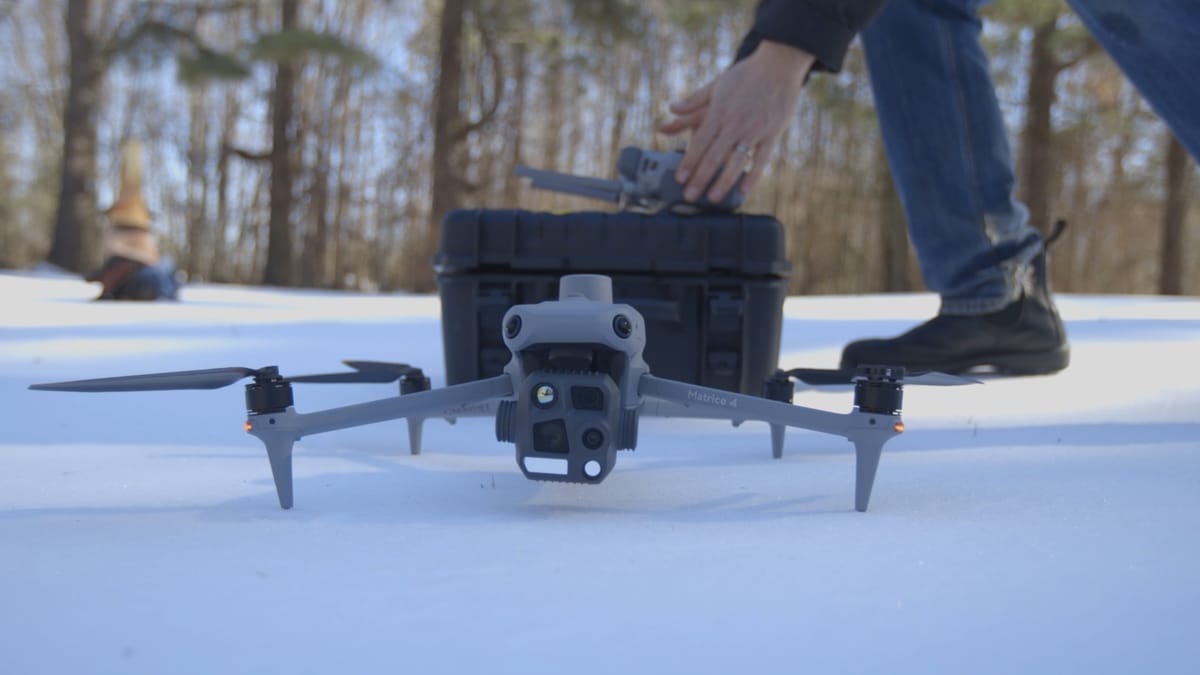
With all the pieces coming together, we booked travel to Mississippi and rented a high-end thermal drone typically used by search and rescue teams as well as utility inspectors. The plan was to have it delivered just ahead of my arrival. Unfortunately, though, Winter Storm Fern knocked out my travel plans and any possibility of flying during the window we had planned. The drone actually sat in a hotel storage room for nearly a week before I was able to get there. Thankfully, the hotel staff kept it safe for us (shoutout to the front desk crew!), and the drone rental company was extremely understanding about the delay in our production.
By the time I got to Southaven, the storm had passed but the city was practically shut down. The unplowed highways and roads were nearly impassable and most of the city was holed up in their homes waiting for the snow to melt. Thankfully, the skies were clear and all my sources were still available. When I got to Krystal’s, I made my final safety checks, confirmed I had legal permission to fly, and finally took off.
Once you had the thermal footage, how did you make sure the findings were solid?
As soon as the thermal drone lifted above the treeline, I could see multiple massive stacks emitting very strong heat signatures that looked like giant burning candles. While it seemed fairly obvious that these turbines were operating, I needed to be 100% sure. Also, I wanted to see if we could establish just how many were running at the time. So we shared the images with several leading experts including Bruce Buckheit, former director of the EPA’s Air Enforcement Division, who served decades in the agency under multiple presidential administrations. After several conversations with him and two other experts deeply familiar with this kind of equipment, we felt confident reporting that at least 15 turbines were operating at the time.
It’s also important to understand that the thermal drone was only one of many reporting tools used for this project. In addition to interviews with local residents, we also heavily relied on public records requests. Emails we obtained between xAI consultants and Mississippi regulators confirmed that 27 unpermitted turbines were located at the site and some had been operating since at least November.
I’m sure all this effort to confirm that the unpermitted turbines were indeed operating (which was fairly obvious to anyone within earshot of the facility) might seem odd to some of the residents I spoke with, but when you’re reporting on the illegal activities of a company owned by the richest man in the world, we had to be rock solid with our findings in every way imaginable.
What are you reporting on next as this story continues to unfold, and what questions are you still trying to answer?
More and more AI datacenters are building their own gas plants and with the lack of public notice or regulatory enforcement I saw in Southaven, I want to know just how many similar plants are out there and skirting environmental regulations in the race for AI dominance. We have another similar investigation in the works that I won’t get into ahead of publication, but I believe there is a real need for this kind of reporting going forward, and I think it’s incredibly important that journalists continue to hold the AI industry accountable for its impact on public health and the climate. This reporting is not just about xAI or one Mississippi city. It is about how quickly AI’s fossil fuel infrastructure is scaling, whether environmental oversight can keep up, and what it means for our changing climate.
This investigation took months of reporting and specialized equipment. Want to support work like this? Make a donation to Floodlight and help us continue investigations like this one.
Evan Simon is an investigative producer at Floodlight. A Peabody Award nominee and the winner of two National Emmy Awards, Evan leads Floodlight’s visual and video-based storytelling.
Rosie is Floodlight's director of audience and development. She was previously the audience editor at Bolts, and oversaw audience and web projects as digital director of Boston Review.