
Behind the byline: Four questions for Floodlight's Deneen Wiske
Our deputy director on going from biologist and firefighter to running an investigative newsroom, and building a house with no fossil fuels.
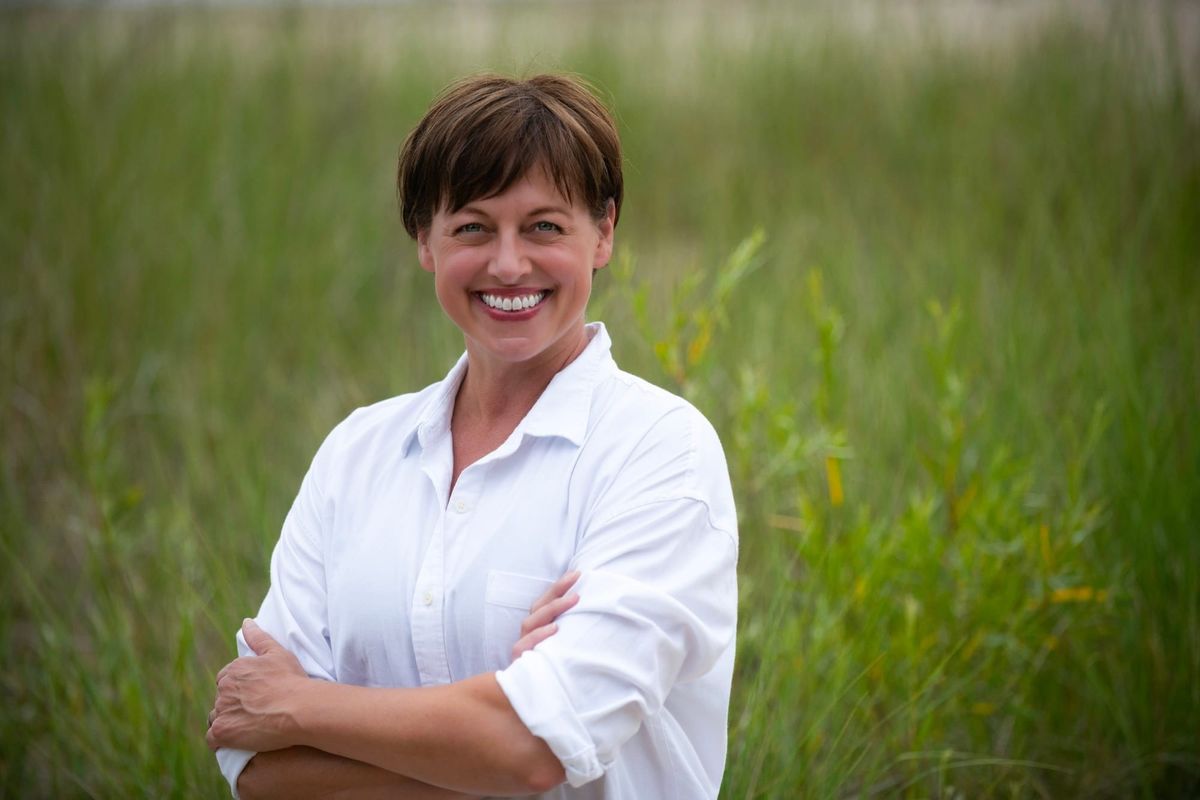
Meet Deneen Wiske, Floodlight's deputy director. She's the glue that keeps the newsroom running, handling budgets, HR, fundraising, contracts and much more hidden work that makes Floodlight's investigations possible!
You've been a biologist, a business owner and a firefighter. How did your path lead you to an investigative newsroom, and is there a skill from either job you still use every day at Floodlight?
I’m fortunate to have had a diverse career that started in scientific research then covered a lot of wide-ranging ground, including owning small businesses and firefighting. Each experience has added new skills and knowledge and perspective. I’ve always deeply valued journalism, and when I had the opportunity to enter the field, it really brought together all of my past experience and values in a way that nothing before had.
I use learnings from each of those careers every day at Floodlight. It’s probably not surprising that owning a small business has translatable skills to running a nonprofit newsroom: the boring but important work of budget management and finance, HR and payroll, contracts, all the back-of-house things. Firefighting might seem like more of a stretch but, believe it or not, there are several skills from the fireground that benefit the newsroom: having situational awareness, offering steady leadership, being able to quickly shift focus and priorities, and being fully present all show up in my Floodlight work. At least I hope they do! I am a scientist to my core, and my roots in research are what actually feel most applicable every day at Floodlight. Science is about seeking unbiased, evidence-supported truth and that’s central to Floodlight’s investigative journalism.
You designed and built an all-electric home with passive design features. What made you take that on, and what did the process teach you?
Oh boy, it was an adventure! When I decided to build a home in rural Wisconsin in 2022, I wanted to build the most sustainable and climate-friendly structure possible. My goal was a home built to strict passive design standards, but I quickly learned how challenging it is, primarily because of expense and the lack of knowledge among contractors. So it was up to me to do the research — everything from materials, site selection and building orientation to maximize natural heating and cooling, insulation techniques, and, of course, going all-electric (we use heat pumps) so we have no fossil fuel infrastructure. I got a lot of pushback from contractors who said what I wanted wasn’t possible or wasn’t a good idea, and I had to navigate that carefully. We live in a small community, and many of the people building my house had been doing their trade for decades and were second- or third-generation. I had to balance respect for their knowledge and experience with my desire to do things differently.
Throughout the process, I just kept seeing over and over again that all of the methods and technologies exist — and have existed for a long time — for us to build in a way that is good for the environment, the climate, and human health. And there is so much innovation happening in building construction! We just haven’t demanded it or normalized it.
What's a Floodlight story you find yourself telling friends about?
Ames Alexanders’ air monitoring story from September 2026 is one that I’ve talked about and shared with a lot of different people, particularly after another season of wildfires that kept many of us indoors during the peak of summer in northeast Wisconsin. Air quality is a near universal concern and I think most people assume the government is actively working to keep it clean and safe. I mean, the Clean Air Act was passed in 1970! Ames is especially skilled at being persistent — digging deeper and sifting through a lot of information to build a cohesive narrative that helps readers understand how things work and where they are broken. Learning that the basic safeguards to ensure air quality is monitored aren’t working or don’t exist — and that it is intentional — is eye-opening. It’s very easy for me to point to Ames’ story and say, “This is something I know you care about and this is why investigative journalism matters.”
When you’re not at work, what are you reading, watching, or listening to?
I definitely read more than I watch or listen and almost always have a work of fiction and non-fiction in progress. But right now, I’ve got two nonfiction going: The Salt Stones, a book by Helen Whytbrow about a modern-day shepherd in Vermont. It’s raw and beautiful and such a departure from the intensity of climate work. And I recently (finally) started Dan Egan’s Life and Death of the Great Lakes, which I can’t believe I haven’t read before now. I live on Lake Michigan and have a deep affection for the Great Lakes. And I think Dan is an outstanding journalist and storyteller.
Although the written word is my go-to, I do have to plug a listen: Threshold podcast. I worked with host Amy Martin and the amazing team for four years and am still involved as much as I can be. It’s some of the best science-based narrative audio journalism out there. And if you’re a sound design nerd, you’ll especially love it.