About Floodlight
Floodlight is an independent, nonpartisan newsroom that investigates the corporations and political interests stalling climate action.
Through deep investigative reporting, we uncover how powerful interests shape the climate crisis, and who benefits when the public is kept in the dark.
Floodlight exists because there still isn't enough climate journalism, and the kind that's hardest to do is the kind least likely to get done. So we do it. We investigate the people and institutions behind the fossil fuel industry — the utility executives, trade groups, lobbyists, consultants and elected officials who shape what's possible on climate, usually out of public view.
And we don't keep it. Every story we report is published with partner newsrooms across the country, because a story that stays in one place doesn't change much.
Read more about our mission and model.
Newsletter
The climate crisis has a backstory. We uncover it.
Original investigations into how corporate influence and political decisions are delaying action — twice a month, straight to your inbox.
No spam. Unsubscribe anytime.
Support
The industries we cover have unlimited resources. We have you.
Reader funding is what lets us start an investigation that takes six months and see it through — and share it free with any newsroom that wants to run it.
Floodlight is a 501(c)3 nonprofit and all gifts are tax-deductible.
What we investigate
Our reporting follows the money, the influence and the decisions driving the climate crisis. We investigate topics including:
- Fossil fuel companies and the industries that support them
- Corporate lobbying and political influence
- AI, data centers and their growing environmental footprint
- Government regulators and the agencies meant to hold polluters accountable
- Communities living with the impacts of these decisions
How we partner
Floodlight was built on the idea that climate accountability reporting has the greatest impact when it's collaborative. We work with national partners like The Guardian, WIRED, PBS and NPR to produce investigations with national reach, then make every story available free of charge for local and regional newsrooms to republish, ensuring it reaches the communities most affected.
That model helps our journalism travel further than it could on its own. In 2025, Floodlight investigations were republished more than 1,000 times by over 500 newsrooms across the U.S.
If you're a news publisher, learn more about reporting with us or sharing our work.
Where to find us
Floodlight stories don't just appear on our website and our partners' websites. Visual journalism is an increasingly important part of how we investigate and tell stories, such as our pioneering use of thermal drones to reveal the fossil fuel infrastructure powering AI data centres.
That's why video is a key part of our work. On Floodlight’s YouTube channel, you'll find our original short documentaries, which have helped our investigations reach millions of viewers.
Watch
Our latest video reporting
You can also follow us on X, Bluesky, Instagram and Facebook. As Google's AI answers reduce search traffic and social media algorithms become increasingly unpredictable, every follow helps our investigations reach more people — and helps ensure you never miss our work.
Our impact
Floodlight’s model has shown how journalism can hold the powerful to account and expose the harms of climate change on vulnerable communities. Many of our stories have spurred regulatory and corporate change around the country. Floodlight is also a leader in the news industry. Our reporting regularly wins prestigious state and national awards.
Read more about our impact.
Read our latest stories
 Evan Simon/Floodlight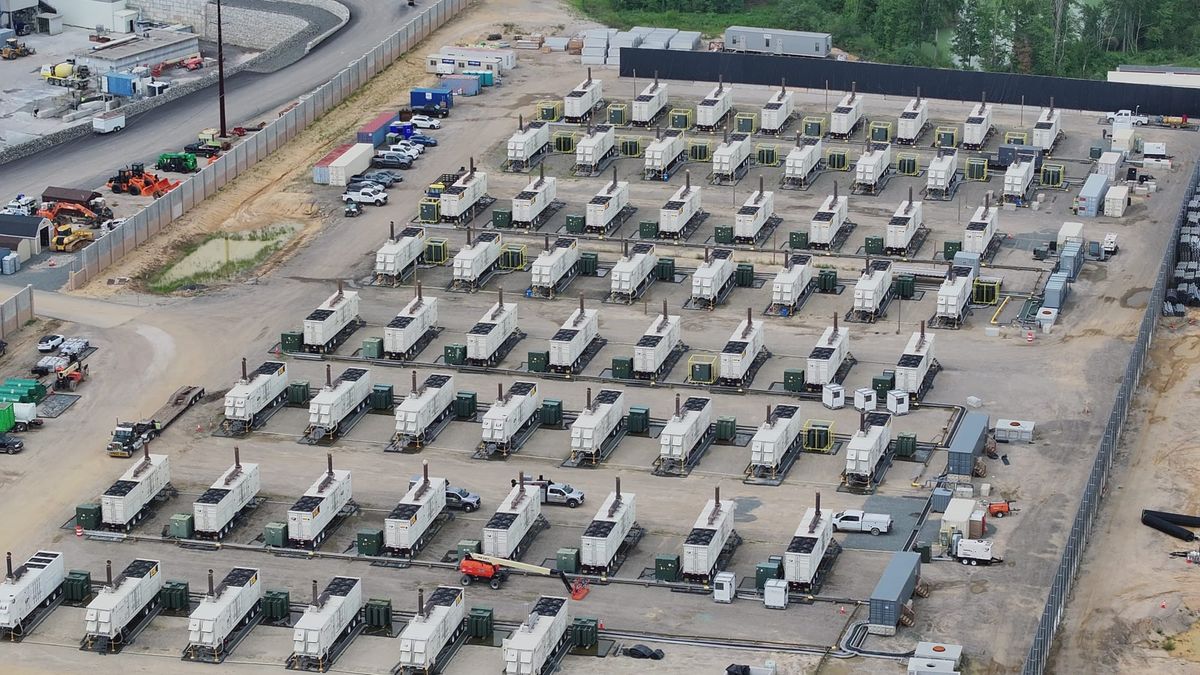
 Ames Alexander/Floodlight
 Evan Simon/Floodlight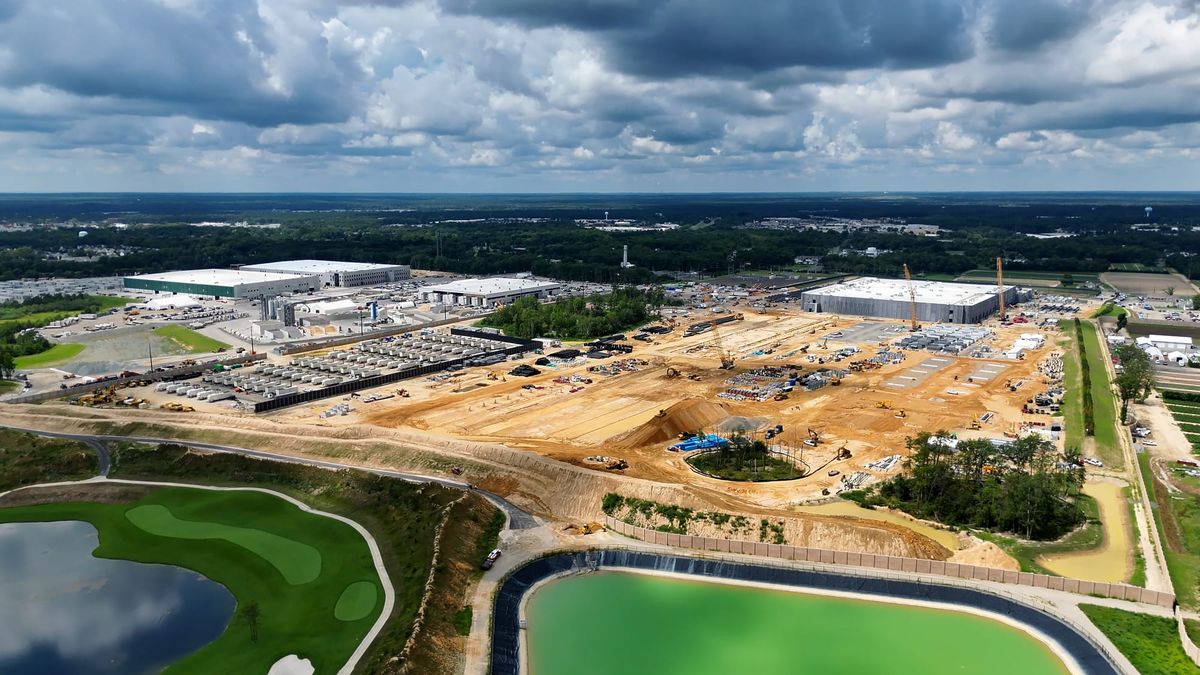
 Ames Alexander/Floodlight
 Evan Simon/Floodlight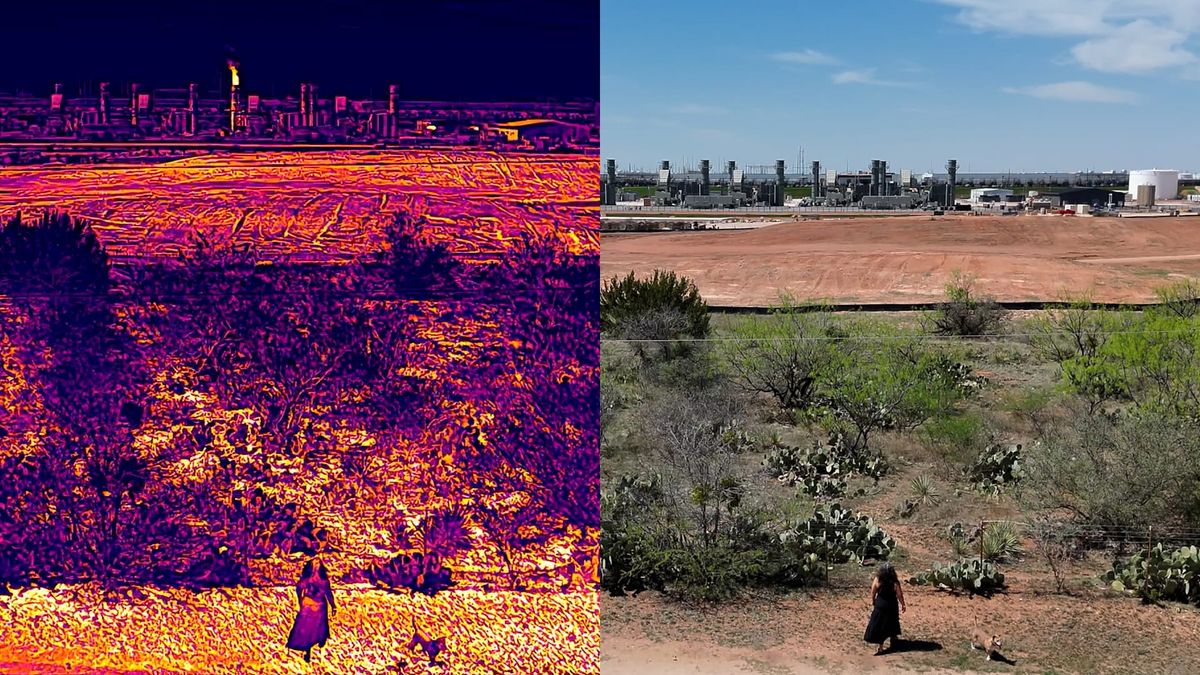
 Garrett Hazelwood/Floodlight