Impact

Floodlight’s model has shown how journalism can hold the powerful to account and expose the harms of climate change on vulnerable communities. Many of our stories have spurred regulatory and corporate change around the country.
Here is some of the impact we saw in 2025 from our earlier coverage:
In 2024, Floodlight, ProPublica and the Tow Center revealed how fossil fuel-funded interests — including the local newspaper and an astroturf anti-solar group — had created an echo chamber of misinformation in one Ohio county. In June 2025, the Ohio Power Siting Board approved the Frasier Solar project despite what appeared to be widespread public opposition. Coverage by Floodlight and other outlets helped to dispel false information about solar’s impact and revealed the forces behind that campaign of deception. Our story helped local residents and decisionmakers realize how they had been manipulated by these stealth anti-solar forces.
 Miranda Green/Floodlight
Also in 2024, we revealed how a “pink slime” media company supported by pro-fossil fuels sources was behind a “weird” newspaper that appeared to be focused on influencing a jury pool in North Dakota. The community, Morton County, was the site of a high-stakes lawsuit filed by a pipeline company against Greenpeace. The environmental group later cited our work in motions to force discovery and for a change of venue. Although both motions failed, our work informed the highly contested local debate. The jury award has since been cut in half, and Greenpeace International is now fighting the judgment, arguing that Energy Transfer’s legal action was a Strategic Lawsuit Against Public Participation or SLAPP.
 Miranda Green/Floodlight
More recently, court filings from a whistleblower in West Virginia support our 2024 investigation into Omnis Energy, a company promising to turn a coal plant into a hydrogen and graphite production facility. Floodlight, in partnership with Mountain State Spotlight and WTAP-TV, alerted local residents to the fact that the project — fueled by a $50 million forgivable state loan — rests on an unproven technology proposed by a company and CEO with a history of loan defaults.
 Taylor Kate Brown/Floodlight
Through direct partnerships, distribution systems and aggregation services, Floodlight’s conservative estimate of its reach in 2025 is 1.7 million views.
Floodlight’s model is to partner with national, regional, local and niche publications to ensure our stories are seen by as many people as possible — especially those most affected. These partnerships grew by an extraordinary amount in 2025. In 2024, we were republished by 60 newsrooms. In 2025, that number jumped to 486.
Thirty-one of those were national outlets, including The Guardian, NPR, Grist and other newsrooms focused on climate accountability. We also deepened our relationships with single issue publishers whose coverage intersects with climate, including Next City (urbanism), Scalawag (disadvantaged Southern communities), The Hechinger Report (education), Barn Raiser (rural issues), ICT (Indigenous news), Prism (LGBTQ issues), Truthout (social justice) and others.
 Dee J. Hall/Floodlight
The largest area of growth came from local outlets; 453 of the 486 newsrooms were hyperlocal, city based, statewide or regional publishers in 47 states. Many republished us more than once, bringing the total number of local pickups to 1,093. Among those pickups, 80% were in red states, allowing our investigations to reach communities far beyond the usual climate news audience.
Floodlight's authoritative reporting has been cited by numerous local and national outlets, including CNN, The Hill, Washington Post, NPR and Politico. Experts and advocates have used our deep-dive investigations to call for greater corporate accountability in the utility industry and more public transparency when it comes to the dangers of gas export terminals.
In one of our very first stories, published in March 2021 in collaboration with Alaska Public Media, Floodlight revealed serious flaws in how wood-burning stoves are certified for safety — finding that some newer stoves emitted as much pollution as much older models. In 2024, a Northeast state air regulator credited the story with helping build the pressure that led the EPA to allocate $8.8 million in Inflation Reduction Act funds to improve emissions testing and screen out the most polluting wood heaters.
 Emily Holden/Floodlight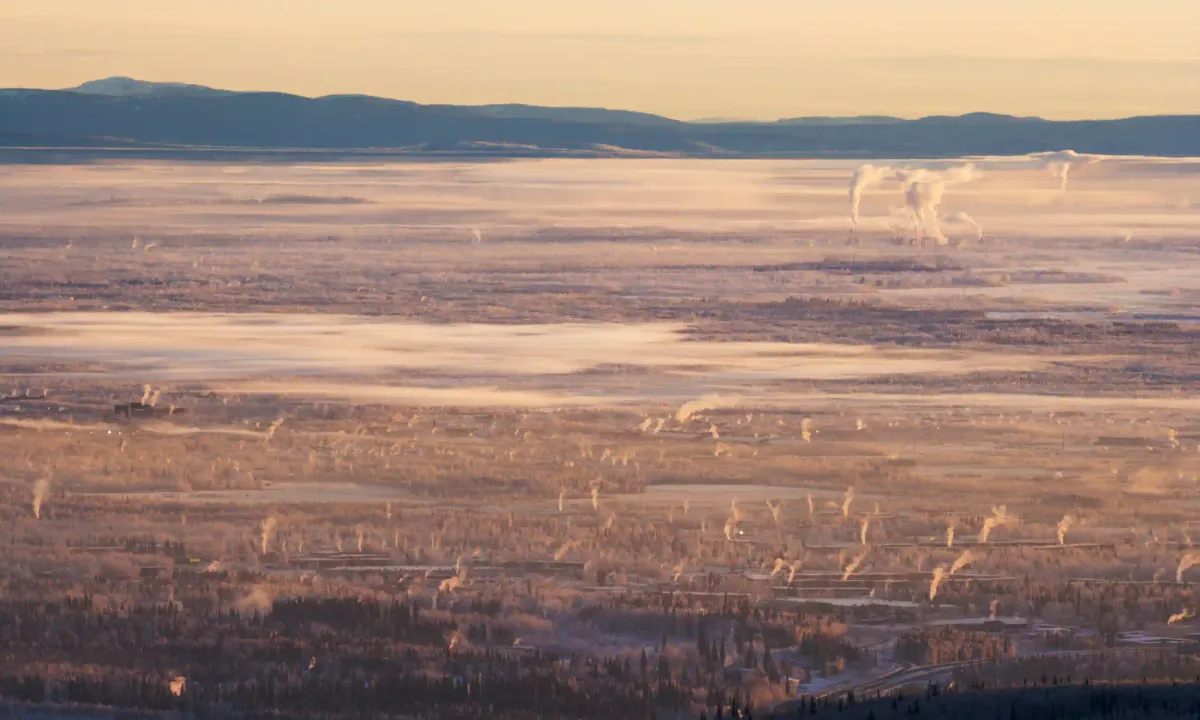
In Los Angeles, port authorities decided to start charging natural gas trucks pollution fees, following our reporting with the Los Angeles Times.
 Miranda Green/Floodlight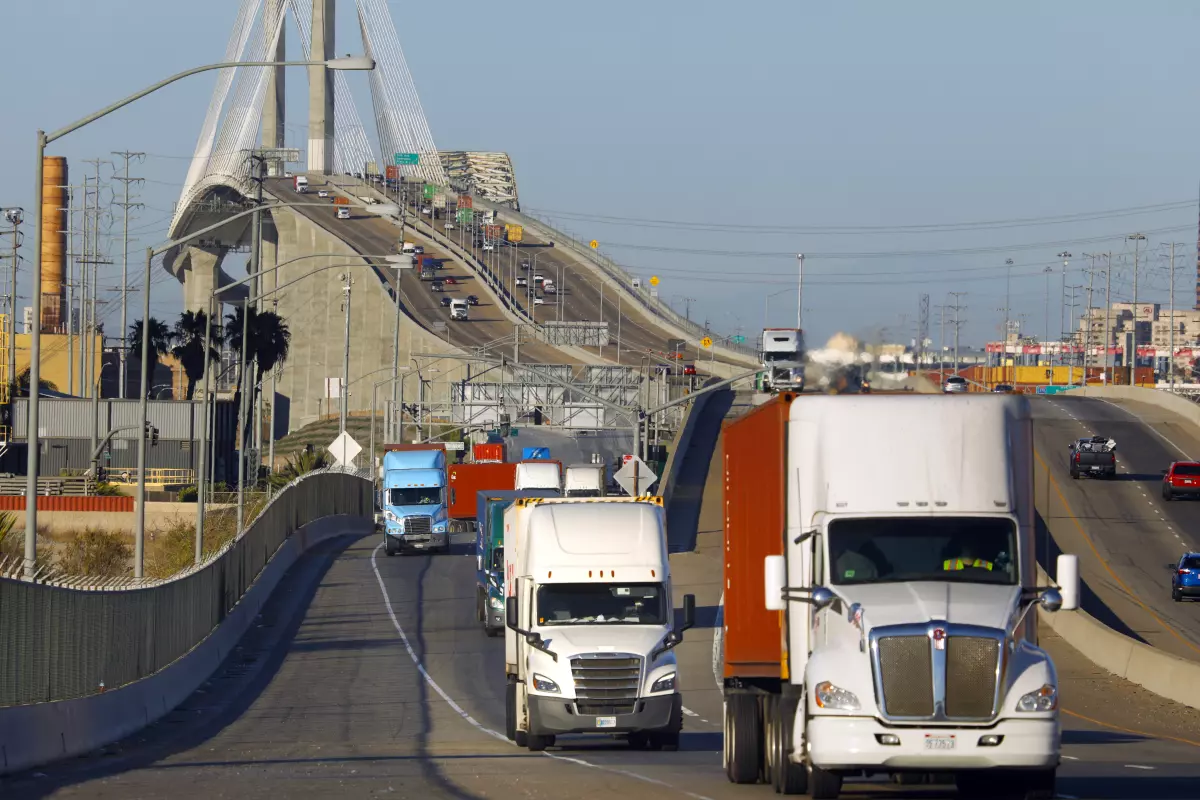
Our reporting with NPR about how power company consultants swayed elections, spied on journalists and bought media coverage was followed by the departure of two CEOs. The stories were seen nationwide by millions. They were reposted by more than 2,000 outlets, including 80 in the target states of Alabama and Florida. Citing reporting by Floodlight and others, NextEra shareholders filed suit, claiming the company had not been forthcoming about its role in the so-called ghost candidate scandal. At the sentencing of former Florida state Sen. Frank Artiles, a Democratic incumbent defeated by a ghost candidate told the judge this: “Were it not for intrepid reporting, by a number of folks, including Floodlight and others, we would never have known that Florida Power and Light was ultimately a source of this money.”
 Miranda Green/Floodlight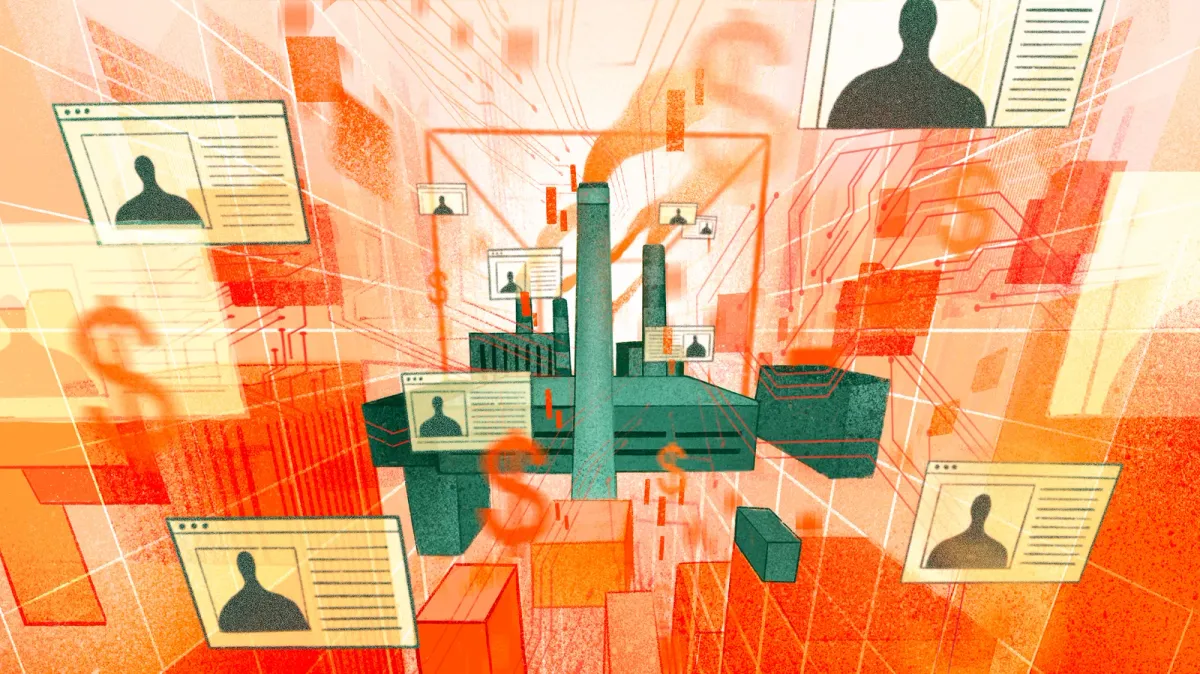
 Miranda Green/Floodlight
 Mario Alejandro Ariza/Floodlight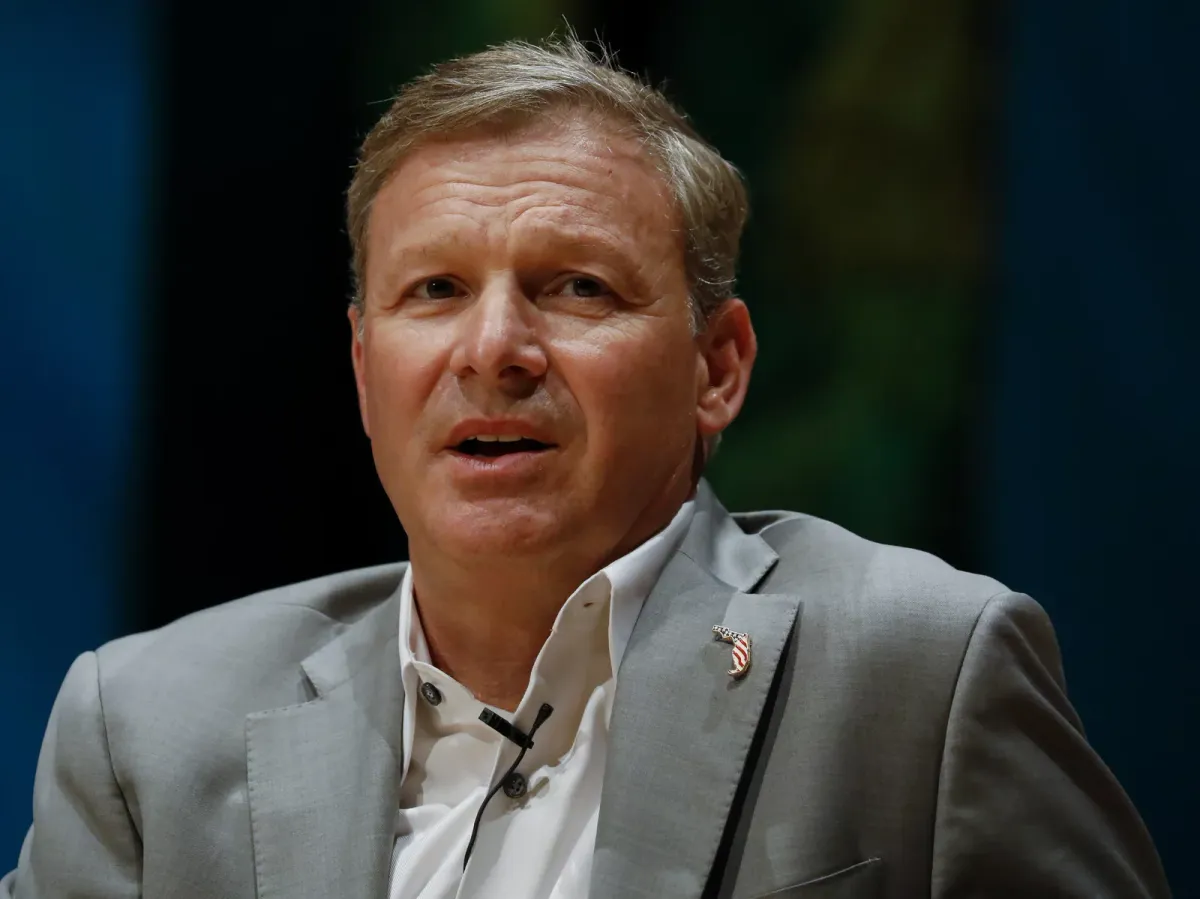
 Mario Alejandro Ariza/Floodlight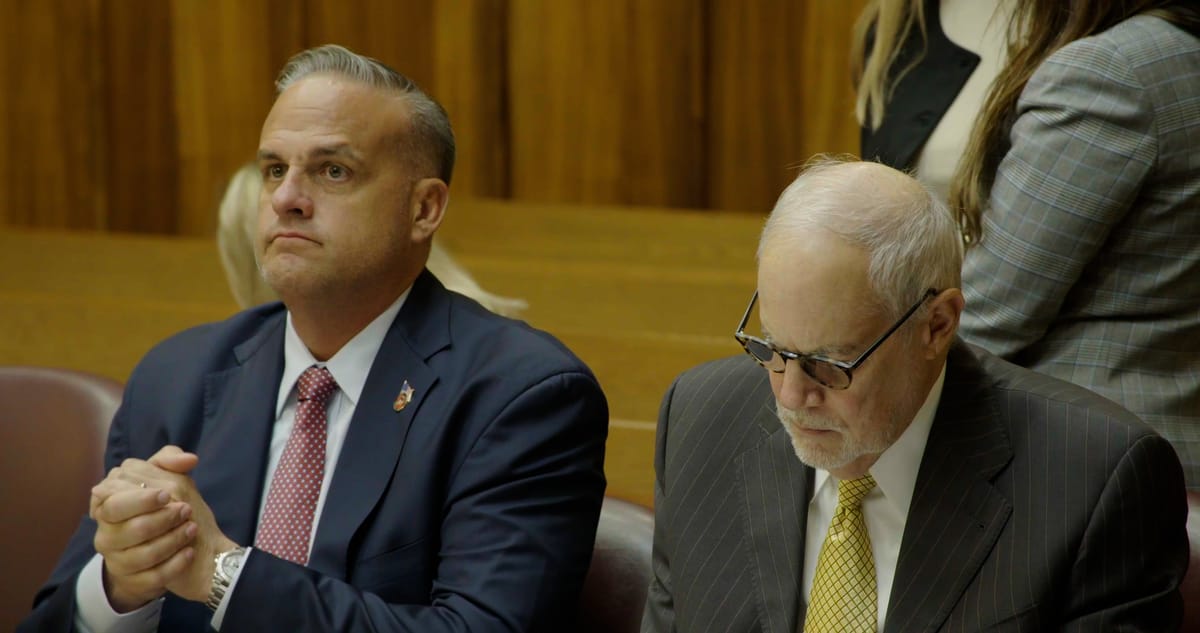
Annual Reports
Awards
- First Place Honors, National Association of Black Journalists 2025 Salute to Excellence Awards
- Arthur E. Rowse Award for Examining the News Media, 2025 National Press Club Journalism Awards
- A-Mark Prize for Reporting on Misinformation and Disinformation, 2024 Los Angeles Press Club / Southern California Journalism Awards
- Honorable Mention, 2024 Thomas L. Stokes Award for Best Energy and Environment Writing from the National Press Foundation.
- Winner, 2024 INN Service to Nonprofit News Award
- Second Place, 2024 National Headliner Awards
- Winner, 2024 Phillip D. Reed Environmental Writing Award
- Finalist, 2023 Goldsmith Award in Investigative Reporting at Harvard
- A-Mark Prize for Reporting on Misinformation and Disinformation, 2023 Los Angeles Press Club / Southern California Journalism Awards
- Finalist, 2022 Great Plains Journalism Awards
- Honorable mention, 2022 Esserman-Knight Journalism Awards
- Second place, investigative reporting, 2021 Virginia Associated Press Broadcasters (along with VPM)
Floodlight in the News
- 06/02/2025, Battling a Climate Change Backlash, Nieman Reports (The Climate News Task Force mentioned in the story is co-directed by Floodlight Executive Director Emily Holden.)
- 05/06/2025, Climate collaboration: The Climate News Task Force brings 12 newsrooms together on climate journalism, Editor & Publisher
- 04/26/2025, 'Fueling Knowledge' podcast explores how oil money funds universities, NPR’s All Things Considered
- 04/16/2025, Video: The failed promise of industry jobs in polluted communities, The YEARS Project
- 03/17/2025, A pipeline company is suing Greenpeace for $300 million. A pay-to-play newspaper is accused of tainting the jury pool, Nieman Lab
- 01/28/2025, More than $6 Million in Support of Climate Journalism, MacArthur Foundation
- 05/13/2024, How NPR and Floodlight teamed up to uncover fossil fuel “news mirages” across the country, NiemanLab
- 05/08/24, Emily Holden on collaborative, investigative journalism, On Leading Podcast
- 02/12/2024, Your First Byline with Emily Holden, Your First Byline
- 10/26/2023, Carbon Capture Deep Dive with Pam Radtke, Society of Environmental Journalists panel
- 09/20/2023, Democracy coverage is falling disastrously short, Press Watch
- 03/08/2023, How they did it: Floodlight and NPR link two U.S. power companies to news sites paid to attack their critics, Editor & Publisher
- 12/22/2022, How journalists uncovered power companies' ploy to buy the press, Heated
- 07/27/2022, We Asked Journalists to Share What It’s Like Working with Other Newsrooms. Here’s What They Told Us, Nieman Foundation
- 09/15/2021, Get to know Emily Holden, founder of Floodlight, Muck Rack
- 06/09/2021, Interview with Emily Holden, Oxford Review of Books
- 03/01/2021, Breaking the climate news bubble, Heated
- 02/28/2021, Why Floodlight thinks climate journalism needs something new, Floodlight