
Pentagon retreats from climate fight even as heat and storms slam troops
For decades, the military treated climate change as a threat. Now it’s backing away from plans to protect people and bases from extreme weather.


Published in partnership with The Guardian
Retired Marine Corps gunnery sergeant Vida Rivera knows heat can be as dangerous as any enemy.
Early in her military career, she collapsed from heat exhaustion while carrying a 65-pound pack on a sweltering hike in Quantico, Virginia. Years later in Afghanistan, Rivera drove a truck in temperatures nearing 120 degrees. But she was ready. She’d taken a mechanics course — twice — to make sure she could fix the truck’s air conditioning if it failed.
She knew extreme heat could incapacitate her Marines. “They need water and good temps like everybody,” she said.
Across the U.S. military, climate change isn’t a distant threat. It’s a daily challenge. The fallout from a warming planet has hit the military hard, sidelining more than 10,000 troops since 2018, flooding bases and undermining everything from runways to nuclear readiness.
Extreme weather is battering installations from Guam to North Carolina and fueling instability in regions overseas where American forces may be called to intervene.
For decades, the Pentagon viewed climate change as a national security threat — not for environmental reasons, but because it undermined operations and readiness.
Now the Trump administration is dismantling that approach. Pentagon leaders have cut climate research funding and abandoned adaptation plans. Defense Secretary Pete Hegseth has dismissed global warming concerns as “climate change crap.”
Critics warn that the military is being forced to fly blind — and that the cost could be strategic vulnerability in a world where climate is increasingly shaping conflict.
“I think it puts our troops at risk,” said Erin Sikorsky, director of the Center for Climate and Security. “... We’re going to be less prepared if our troops are deployed somewhere where it’s incredibly hot and their equipment doesn’t work right, or if they themselves can’t physically operate … That’s malpractice, I think.”
The Defense Department did not respond to Floodlight’s requests for public documents and an interview to discuss changes to its climate policy.
The Pentagon’s 2026 budget request recommends cutting $1.6 billion in “wasteful” climate spending. Among the targeted programs: a $6 million grant to decarbonize emissions from Navy ships. Where most of the remaining cuts would come from is unclear.
That marked a sharp break from the previous administration, when the Department of Defense sought $5 billion for climate initiatives in its fiscal 2024 budget — including efforts to harden bases against extreme weather and reduce battlefield fuel dependence.
How warming undermines U.S. military power
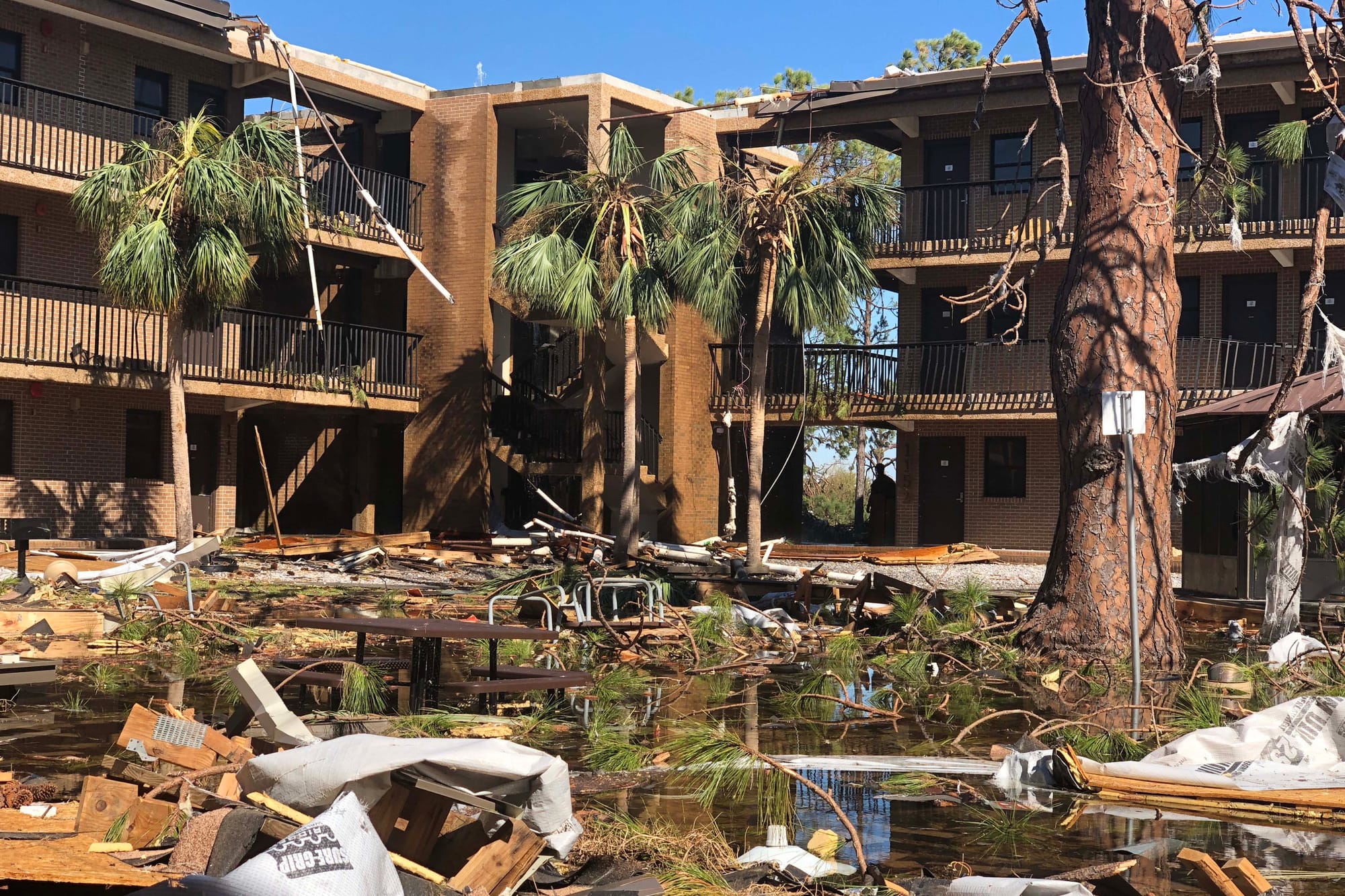
In September 2018, Hurricane Florence dumped 36 inches of rain on Camp Lejeune in North Carolina, creating a 13-foot storm surge and damaging more than 3,000 homes at the Marine Corps base and nearby air stations.
Just a month later, Hurricane Michael struck Tyndall Air Force Base in Florida with 160 mph winds, flipping fighter jets and damaging more than 600 buildings. The branch spent nearly $5 billion to repair and upgrade the base to become more resilient to future storms.
And in May 2023, Typhoon Mawar slammed Andersen Air Force base in Guam with 140 mph winds and 28 inches of rain. The storm upended cars, took out power lines and damaged nearly 500 buildings. It cost nearly $10 billion to repair and to harden the base against future extreme weather events.
According to the National Weather Service, unusually warm ocean temperatures supercharged all three storms.
These aren’t isolated events. Rising seas are projected to cause chronic flooding at coastal military bases in the coming decades. By 2050, half of coastal bases could each face 270 or more flood events each year, according to a study by the Union of Concerned Scientists.
Major storms can hobble nuclear deterrence, too. Hurricanes could damage submarines or delay the transport of nuclear warheads, warned researcher Jamie Kwong, a fellow in the Nuclear Policy Program at the Carnegie Endowment for International Peace. All three nuclear delivery systems — air, land and water — could be hampered by climate change, she said.
Troops collapse as heat soars: training and lives at risk
Since 2022, the U.S. military has been deployed to more than 230 climate emergencies, according to the nonprofit Center for Climate and Security.
Much of that work has fallen to the National Guard. Over the past decade, the National Guard put in nearly 4 million days of service responding to hurricanes, floods, wildfires and other disasters, the Pentagon said in a recent report to four Democratic U.S. senators who had requested the information.
And heat-related illnesses among troops are climbing. From 2020 to 2024, the annual rate of heat exhaustion among service members jumped 52%. In 2024 alone, troops suffered more than 2,800 heat-related illnesses.
Fort Benning has long had a problem with excessive heat. Stretching across 182,000 hot and muggy acres in west-central Georgia straddling the Alabama state line, it’s one of the Army’s top training centers — and it has recorded more heat-related illnesses than any other U.S. military base. Until about a decade ago, someone there was dying from the heat every three years.
That crisis led to the 2019 creation of the U.S. Army’s Heat Center at Fort Benning, where military personnel are taught how to prevent and treat heat-related illnesses.
Officers there developed techniques like arm immersion — lowering soldiers’ arms into cold water during training breaks to reduce body temperature — and ice sheeting, where frozen bed sheets are wrapped around overheated troops to bring down body heat quickly.
To reduce the risk of heat illnesses, the military generally suspends nonessential outdoor activities on extremely hot days. One such instance occurred in August, when a heat wave gripping the Korean Peninsula forced U.S. and South Korean forces to postpone half of their field training exercises.
These so-called “black flag” days— generally 90 degrees Fahrenheit or above — are becoming more common at many military bases, according to a 2023 Defense Department report.
As global temperatures rise, the military may have to suspend summer training at its hottest bases and “spend a heck of a lot of money” to relocate that training, predicts Caroline Baxter, a former deputy assistant secretary of defense for education and training under the Biden administration.
It’s not just troops who suffer. Military planes and ships are affected, too. Hot, humid air is less dense, which means planes struggle to generate the lift they need and can’t carry as much cargo. In fact, a 2019 Climate and Security brief warns that hotter, more humid air will force military aircraft to reduce payloads — or abandon missions entirely.
During the 2011 raid to capture Osama bin Laden, one of the Black Hawk helicopters sustained severe damage during a hard landing. President Barack Obama emphasized the impact that the hot temperature had on the incident.
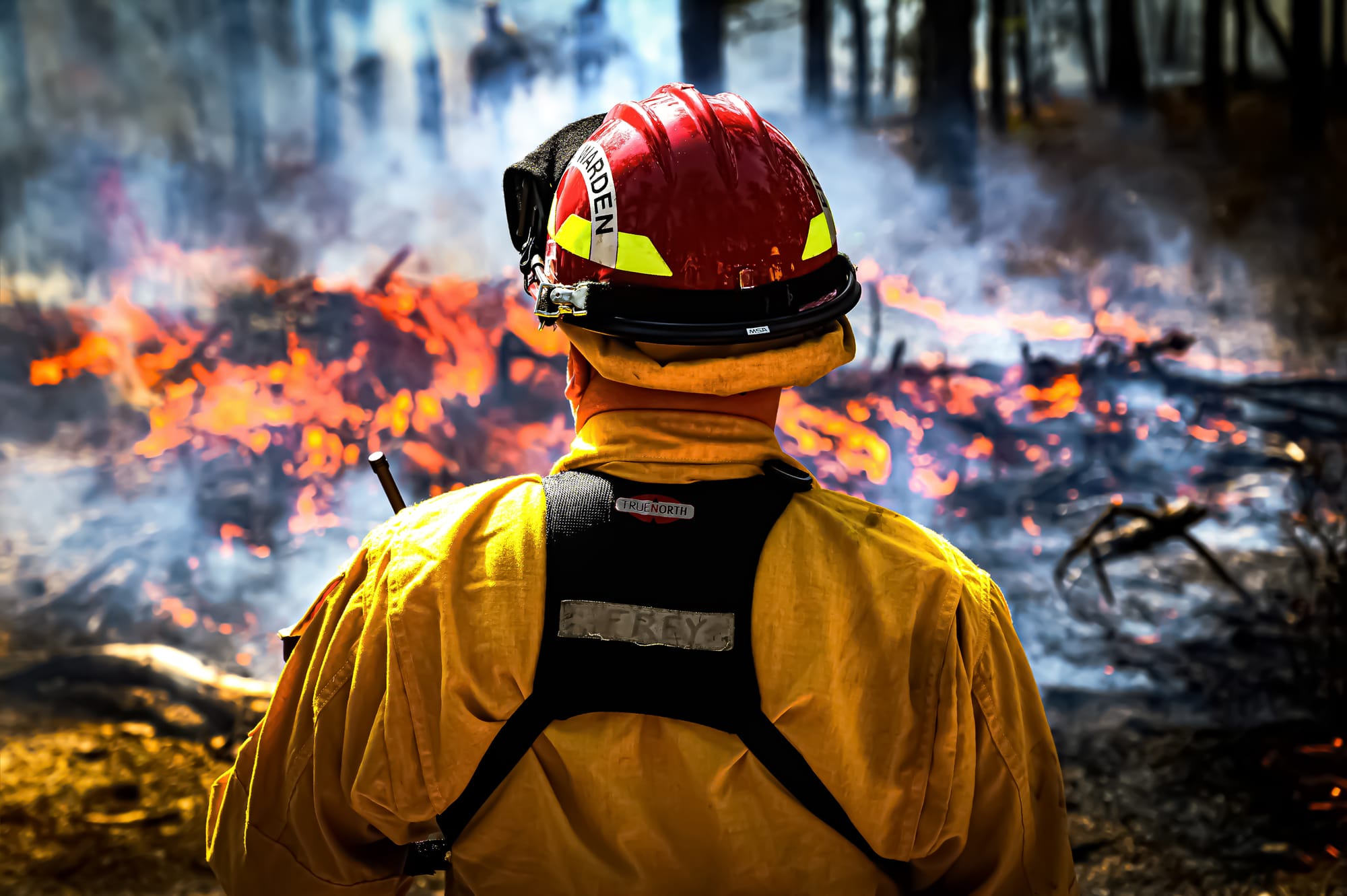
Warm seawater, meanwhile, makes it harder to cool ship engines, while melting glaciers dilute ocean salinity, which can compromise the effectiveness of sonar.
As the world warms, it’s bringing more droughts and food shortages to fragile areas, contributing to problems that threaten national security interests, the U.S. Army said in its 2022 climate strategy document.
Retired Army Lt. Gen. Russel Honoré, who led the military response to Hurricane Katrina in 2005, noted that drought caused by global warming helped trigger the 2011 Syrian civil war and the later armed conflict in Sudan. He has since founded the Green Army, an organization that fights toxic pollution in Louisiana.
“You can change your policy to not consider the impact of global warming on your strategic posture,” Honoré said, “but … the heat will cause a disruption to global stability as well as security. And it will continue to have a human impact on our day-to-day training and operational readiness.”
Melting Arctic ice also increases the potential for military conflict, experts say, because it’s opening up shipping lanes that were once inaccessible. Contested economic and military activities between Russia and other Arctic nations “will increase the risk of miscalculation,” a 2023 threat assessment by the U.S. Intelligence Community warned.
“What that really means is there is an accident waiting to happen,” according to “Threat Multiplier,” a book by Sherri Goodman, who as deputy undersecretary of defense led the military’s environmental efforts during the Clinton administration.
Mission over emissions: Why U.S. military once took climate seriously
For more than 25 years, the U.S. military planned for climate change.
The Department of Defense developed its first climate change strategy in 1998 and a decade later declared global warming a national security issue. After Joe Biden took office, the military’s focus on climate impacts took on new urgency.
“Climate change is an existential threat to our nation’s security,” then-Defense Secretary Lloyd Austin said in 2021, “and the Department of Defense must act swiftly and boldly to take on this challenge and prepare for damage that cannot be avoided.”
For the Pentagon, climate change wasn’t just about the environment — it was about how and where troops could operate.
“How do I continue to do my job despite the fact that the operational environment is changing?” said John Conger, a former high-ranking Defense Department official who later ran the Center for Climate and Security. “ …You’re not thinking about emissions, you’re thinking about missions.”
In 2022, the U.S. Army began rolling out its first hybrid tactical vehicles. There was a practical reason for that, too: Hybrids are quieter and consume less fuel, which can save lives in combat.
“We were losing marines and soldiers in the constant movement of fuel to the front in Afghanistan and Iraq,” Goodman wrote in her book. “For every 24 fuel convoys in Afghanistan, one soldier was killed.”
Some Pentagon projects aimed at boosting effectiveness and efficiency have also spun off climate-friendly civilian innovations. For example, the military’s work with General Motors on hydrogen fuel cells produced fast-charging, off-grid power units that could speed electric car charging.
New doctrine: Climate doesn’t matter anymore
President Donald Trump has pushed to rechristen the Department of Defense as the “Department of War.” And Hegseth has made it clear that the Pentagon’s priorities have shifted.
“The @DeptofDefense does not do climate change crap,” he wrote in a March posting on X. “We do training and warfighting.”
On March 17, Hegseth issued a memo banning Pentagon agencies from spending money on climate planning and ordering leaders to “remove all references to climate change and related subjects from mission statements.”
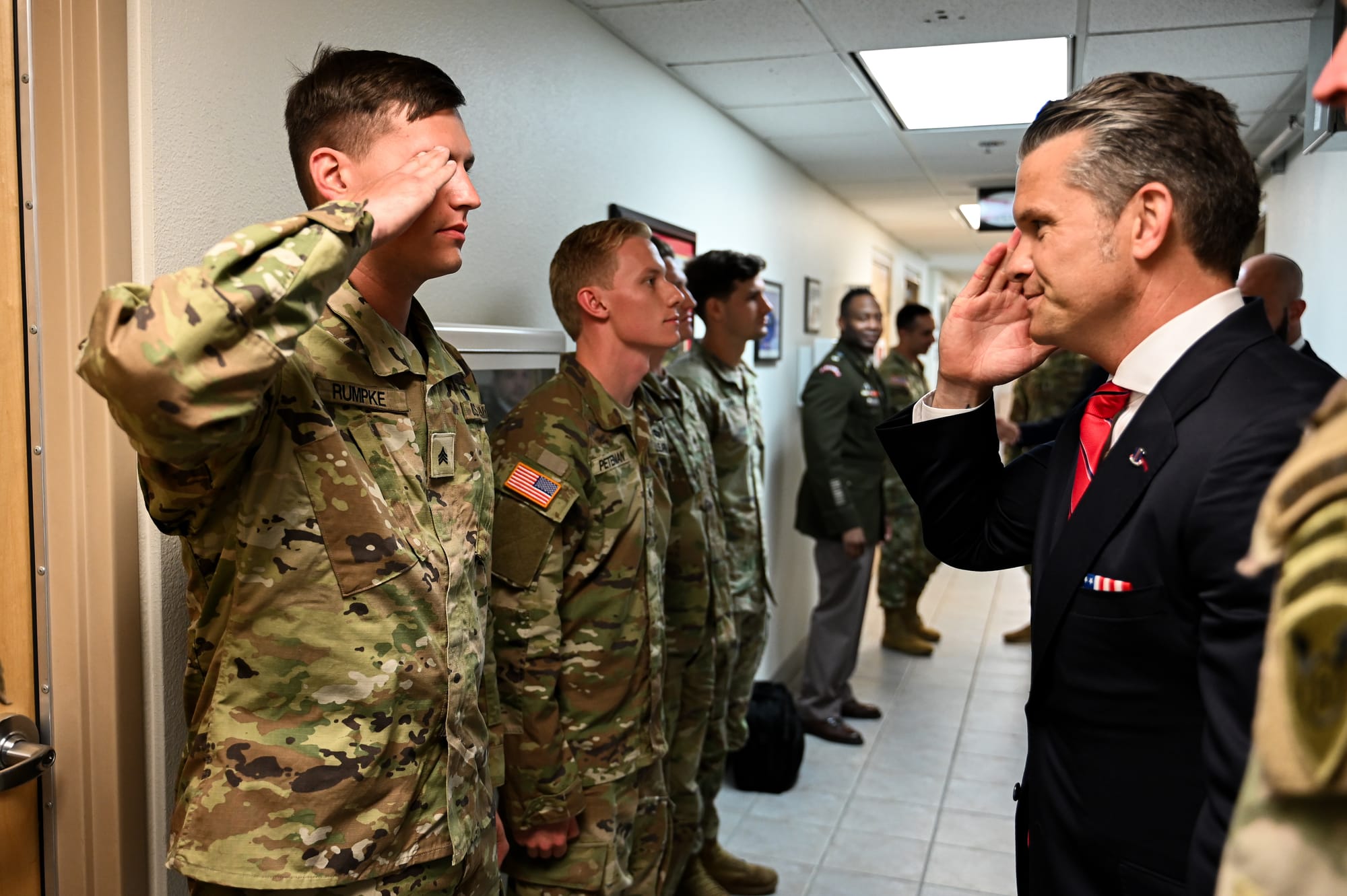
Hegseth doubled down on his message in his Sept. 30 address to hundreds of military leaders at Quantico, declaring there would be “no more climate change worship” in the U.S. military.
The secretary’s March directive does leave room for the continuation of some weather-related work, including risk assessments, environmental reviews and base resilience improvements.
But the Pentagon also announced it’s canceling 91 studies focused on climate and social science research. The move will save $30 million — a tiny fraction of the department’s $850 billion budget. That research was designed to help military planners anticipate emerging security threats, including climate change, extremism and disinformation.
‘We’re not going to be ready’
Cutting those grants is short-sighted, says Tom Ellison, deputy director of the Center for Climate and Security. His group, working with Virginia Tech, was slated to get $2 million to study how rising seas and extreme weather could fuel instability in the Philippines, Guam and Japan — regions important to U.S. strategy in the Indo-Pacific. But in March, they learned the grant was canceled.
“These research projects answer key questions about not just climate change, but a variety of issues shaping the world in which the US military operates, including migration, technology, ideology, public opinion, etc.” Ellison wrote in an email to Floodlight.
“Moreover,” he added, “they do it for relative pennies,” noting the Pentagon spends $30 million “roughly every 20 minutes.”
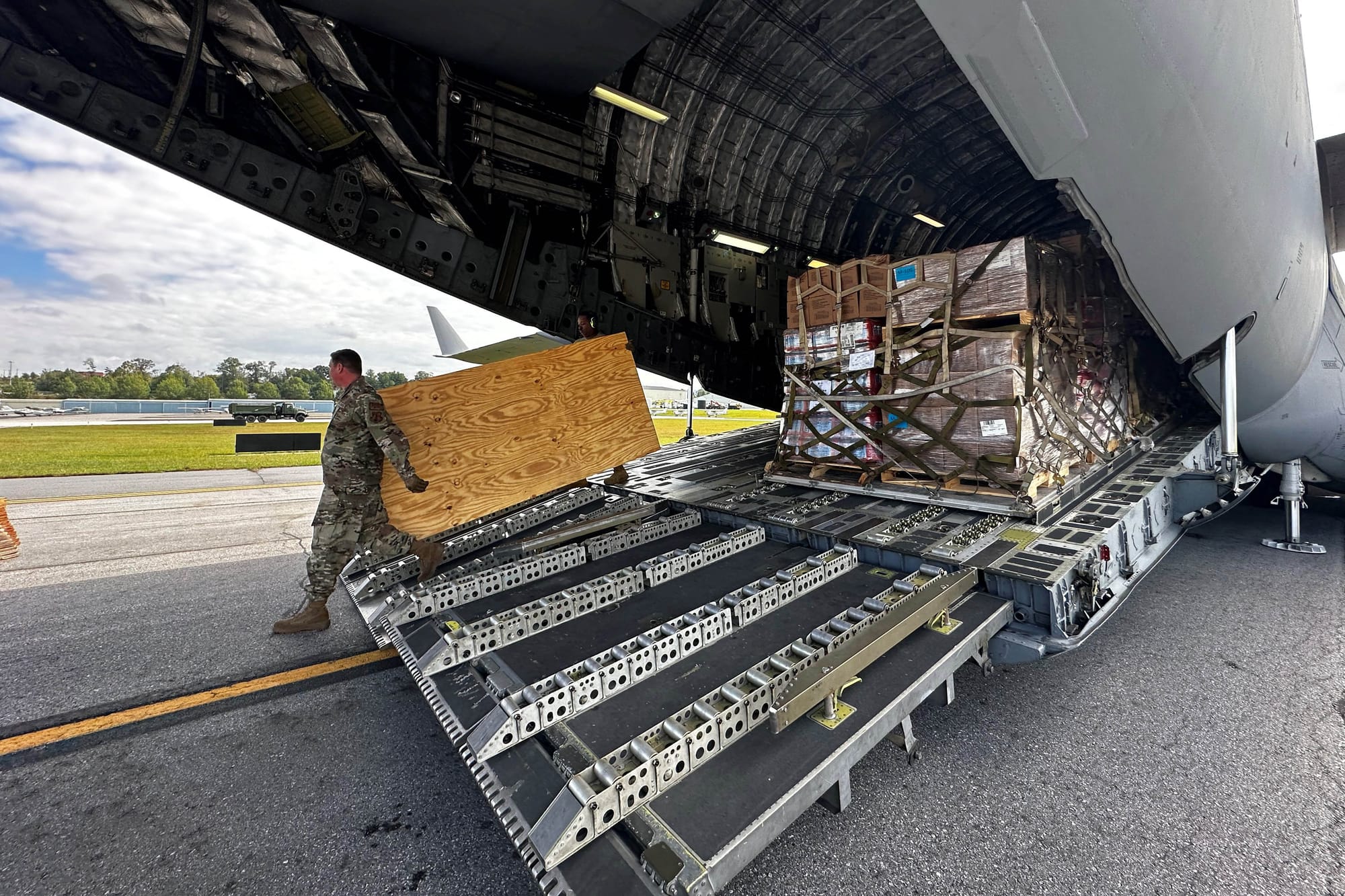
Climate action plans from the Army, Navy, Air Force and Coast Guard have quietly disappeared from public websites in recent months. The Pentagon also shut down its climate resilience portal.
Baxter, the former deputy assistant defense secretary, helped build that portal, which she called a vital hub for validated climate data.
Said Conger, the former Center for Climate and Security director: “If you do not have complete information because you willfully ignore certain parts of the puzzle, you put yourself at a disadvantage — because the Russians and the Chinese aren’t ignoring it.”
Sikorsky, the center’s current director, agreed.
“It sends a message to our competitors and adversaries … ‘We’re going to be weak because we’re not going to be ready.’ ”
Floodlight is a nonprofit newsroom that investigates the powers stalling climate action.
Ames Alexander is an investigative reporter at Floodlight. For more than three decades, his reporting has spurred reforms and saved lives, and he was a lead reporter on two investigations named finalists for the Pulitzer Prize.