
Transmission line conflicts ahead as US electricity demand booms
A fight in Maryland may be a prelude to what lies ahead as artificial intelligence drives demand for more power — and more power lines
Published by Renewable Energy World, The Baltimore Banner
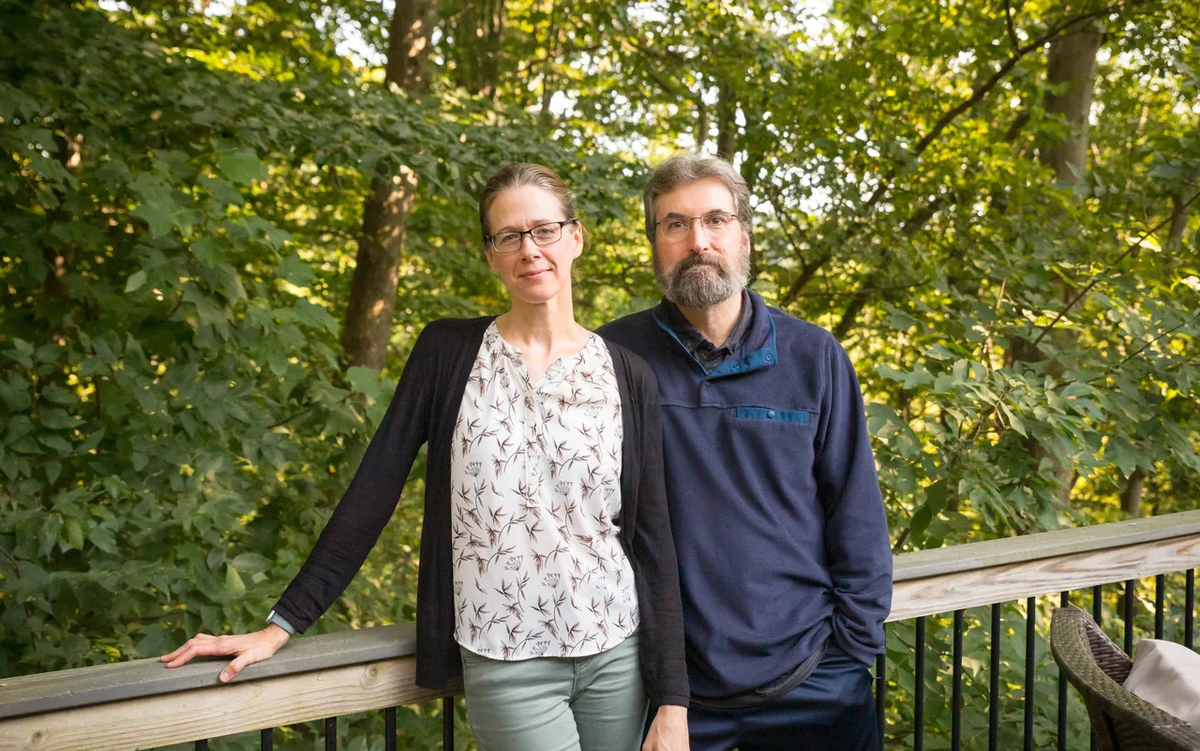
In July, Joanne Frederick received a text that flipped her world upside down. It was a message from her neighbor, asking if she’d seen the map of a new proposed transmission line. The project, which she had never heard of, planned to cut right through her farm in Baltimore County, Maryland — generational land that belonged to her great-grandparents.
The farm had been in Frederick’s family for years before it was sold in 2004 to help pay for her grandmother’s health care. In 2020, Frederick bought the farm back, returning the some 100 acres of conserved land to her family’s care. The property has two conservation easements designed to ensure the permanent protection of the land.
“I can't cut a tree down on my own property, right? This power line will destroy five acres of old growth,” Frederick said of the proposed transmission line known as the Maryland Piedmont Reliability Project.
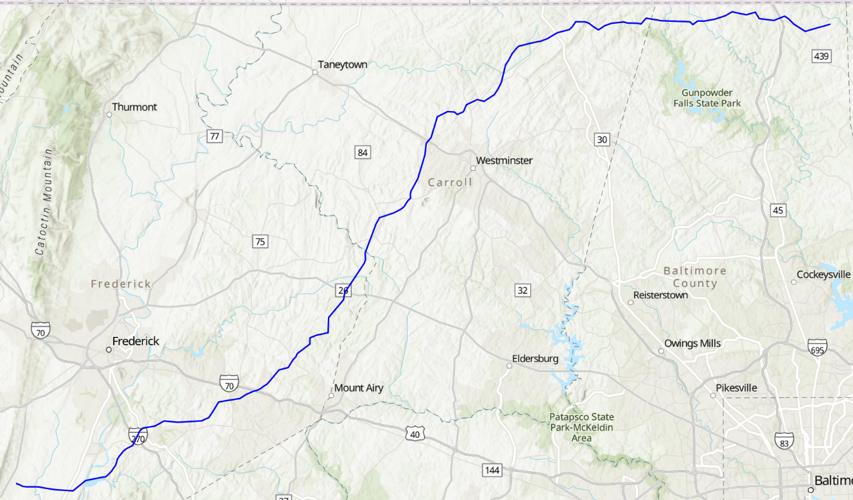
The MPRP is a 70-mile long transmission line that would run from the Peach Bottom nuclear power plant in Pennsylvania, through Maryland, to power data centers in Virginia, a state home to 35% of the world’s data centers. The proposed route would threaten more than 4,000 acres of land, including farmland, forest and protected wildlife habitats. The transmission line is facing harsh opposition from Marylanders, who say their land is being used to benefit out-of-state interests.
As the country races to meet the growing demands of artificial intelligence powered by data centers, Maryland’s conflict will likely be replicated nationwide, making the outcome of the MPRP all the more consequential as landowners and companies navigate an emerging variation of the battle for climate justice.

AI, data center growth projected
The projected demand for energy is rising, namely due to artificial intelligence development. A report from the Department of Energy’s Lawrence Berkeley National Energy Lab predicts energy demand from data centers could “double or triple by 2028.” In 2023, data centers used about 4.4% of total U.S. electricity.
By 2028, the study predicts that number could jump between 6.7% and 12%. The consulting group GridStrategies estimated "that the forecast of cumulative electricity growth over the next five years appears to have increased by a factor of five, from 2.8% to 15.8%.” The estimates are wide ranging, showing just how unpredictable the electricity demand could be in coming years.
Such an increase would put immense strain on the existing American electrical grid, which experts warn is wholly unprepared to handle the spike after two decades of relatively flat power demand. If the grid can’t handle the load, that could lead to rolling blackouts. Some believe new transmission lines are the key to avoiding such disasters.
The energy company behind the MPRP, Public Service Enterprise Group (PSEG), declined to comment on the record for this story, but pointed to a statement on their website to justify why the 500-kilovolt transmission project is needed.
“As Maryland has grown and the economy has changed, the amount of electricity used by the state’s residents, businesses and institutions has increased — just as it has across the country and around the world,” the statement reads.
“Maryland has long been a net-importer of electricity, which means the state uses more power than it has the capacity to generate. … As electricity use grows and the state shifts to a focus on cleaner, greener power generation, the transmission infrastructure must be bolstered to ensure grid reliability and affordability,” the statement reads.
Using Maryland ‘as an extension cord’
But hundreds of Marylanders disagree. Since the MPRP was proposed in July, there has been widespread opposition from landowners, farmers and conservationists who would be impacted by the proposed route. Led by Frederick, some 1,100 concerned residents have joined a nonprofit opposition group called Stop MPRP Inc.
Public meetings with the utility have been tense. Many of the hundreds of people who attended argued the project would serve out-of-state interests at the expense of their land and livelihoods.
“They want to use Maryland as an extension cord,” said Betsy McFarland, whose 3 acres of land in Frederick County, Maryland, is on the MPRP’s proposed route.
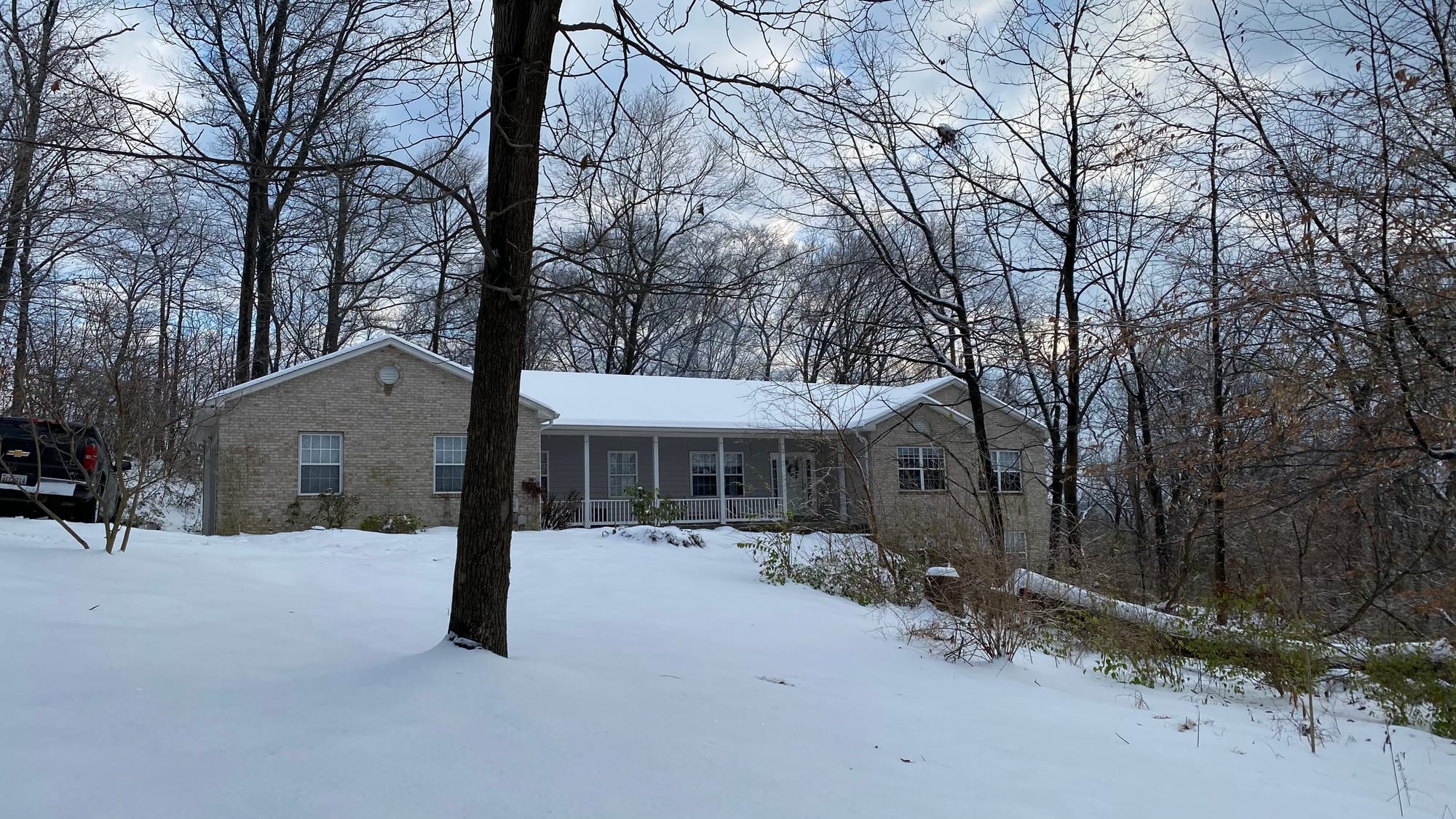
McFarland moved to the area 20 years ago in search of a slower life connected to nature. She has since fallen in love with her home and its surrounding wilderness — the creek that flows through her backyard, the bald eagles she can see from her window, and even the copperhead snakes she sees from time to time. The MPRP will cut right through the land she considers herself to be a steward of.
“It was a complete gut punch,” McFarland said of finding out about the transmission line in July 2024. “Our home is our biggest investment, and it's something we’ve worked really, really hard for.”
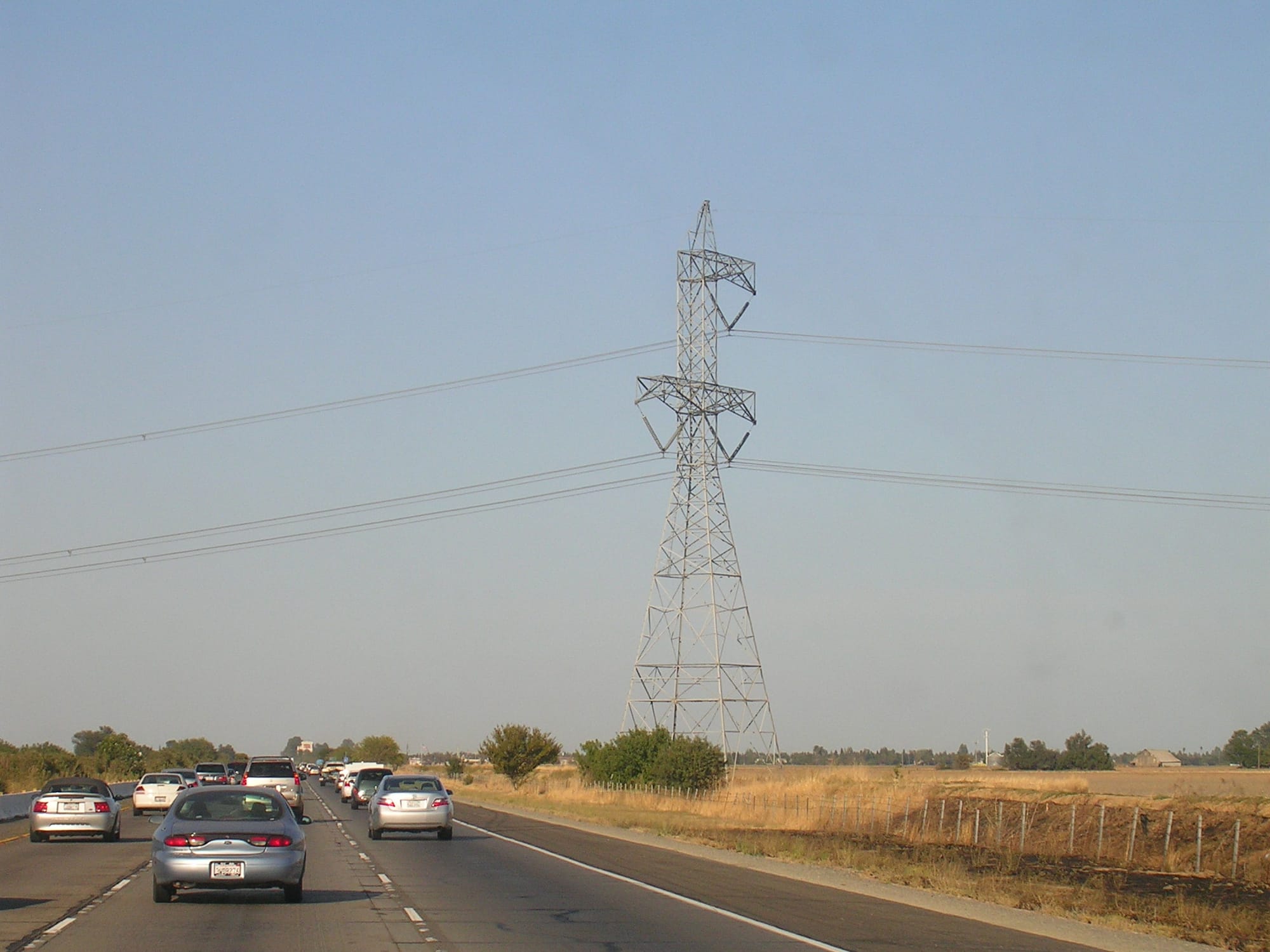
McFarland was offered an easement payment from the company for the portion of her land that would be impacted, but she said it’s not enough to compensate for the loss of land value, nor can it replace the tranquil environment that would be ruined by the 140-foot-tall transmission line, she said. McFarland vows to move if the project is built.
“That's partly why I'm giving everything I have to fighting it,” she said. McFarland recognizes the need for more energy, and she doesn’t want to be a “NIMBY” either. But she, like many of the residents who have become de facto energy experts through their work organizing for Stop MPRP, believes the transmission line “was chosen by a corporation because it was the cheapest and fastest way they could line their pockets.”
Added McFarland: “I'm not against technology or progress, but we have to think carefully about how as a nation, we want this to look as we go forward. If we care about the climate and we care about our communities and we care about technology, there are ways to do this that are smart and sustainable.”
Are demand projections overblown?
In its long-term load report, PJM — the regional transmission organization that provides electricity to 13 states, including Pennsylvania, Virginia and Maryland — estimates that electricity demand “will grow 1.7% per year for summer peaks, 2% for winter peaks and 2.4% for net energy” over the next 10 years.
The increased projected demand, combined with a number of power generation plants retiring, could mean PJM falls “short of the generation it needs to power the system reliably,” said Susan Buehler, a PJM communications specialist, told Floodlight in an email.
“This is why the Maryland Piedmont line is needed,” she added, “ for electricity reliability in the region.”
But John Quigley, a senior fellow at the University of Pennsylvania’s Kleinman Center for Energy Policy, believes much of the projected energy demand, not just in Maryland but nationwide, is overestimated. AI is a new technology and the demands don't take into account the speed at which it’s developing in terms of energy efficiency, Quigley said.
In January, a Chinese company called DeepSeek released an AI chatbot that is significantly more energy efficient than any American model — and this is just the start, Quigley said. To him, what’s concerning is not the projected rise in electricity demand itself, but the frenzy it’s created in the industry — and the possible implications of rushing into solutions.
“Everybody’s panicking,” Quigley said. “They're making some poor decisions, some poor choices, and it’s going to hurt the climate, it’s going to hurt landowners in the case of Maryland, and it’s certainly not going to advance the growth of clean energy.”
Expert: New power lines not the only solution
Though new transmission will likely be needed eventually, Quigley believes we’re not there yet. There is plenty that can be done to update the existing grid’s capacity while AI develops. He pointed to a recent study from Duke University’s Nicholas Institute for Energy, Environment and Sustainability that finds load flexibility could be a “key solution to the United States' soaring electrical demand.”
If large electricity users like data centers could temporarily reduce their energy consumption when demand is high, “new large loads can be interconnected more quickly while reducing the need for premature investment in additional power plants and transmission lines,” the Duke researchers said. “That would offer “a hedge against uncertainty in future electricity demand.”

Quigley pointed to other technologies that would maximize the grid’s existing infrastructure instead of rushing into building more.
“There are all kinds of solutions that could avoid some of these conflicts and certainly avoid the panic that some policymakers have ended up in,” he said.
Some data centers also are using on-site power generation, disconnecting from the grid altogether; some are pushing for the use of small nuclear reactors (SMRs) once they reach the market; solar farms are powering a number of large-scale data centers in Texas. And in Louisiana, industries frustrated by the slow pace of renewable energy development and the rising cost of electricity are pushing to create their own on-site power systems.
The MPRP is in the process of obtaining a Certificate of Public Convenience and Necessity (CPCN) from the Maryland Public Service Commission, which is required for large energy projects in the state. While it is under review — and energy companies grapple with the difficult question of how to power data centers — Frederick said the fight to stop the MPRP is more important than ever, and it could impact communities across the country for years to come.
“We know if we allow this precedent to be set, and we allow for-profit utilities and for-profit technology companies to take private farmland and conservation land to power data centers, they will be back,” she said.
Floodlight is a nonprofit newsroom that investigates the powers stalling climate action.