Trump officials, billionaires and the quiet reshaping of America's public lands
A controversial land swap orchestrated by the megarich could be “a harbinger of what’s to come” for public lands under Trump.


This story is from Floodlight, and produced in partnership with High Country News. Sign up for HCN’s newsletter here. Republished by Inside Climate News, Mother Jones, Re:Public, Truthdig and others.
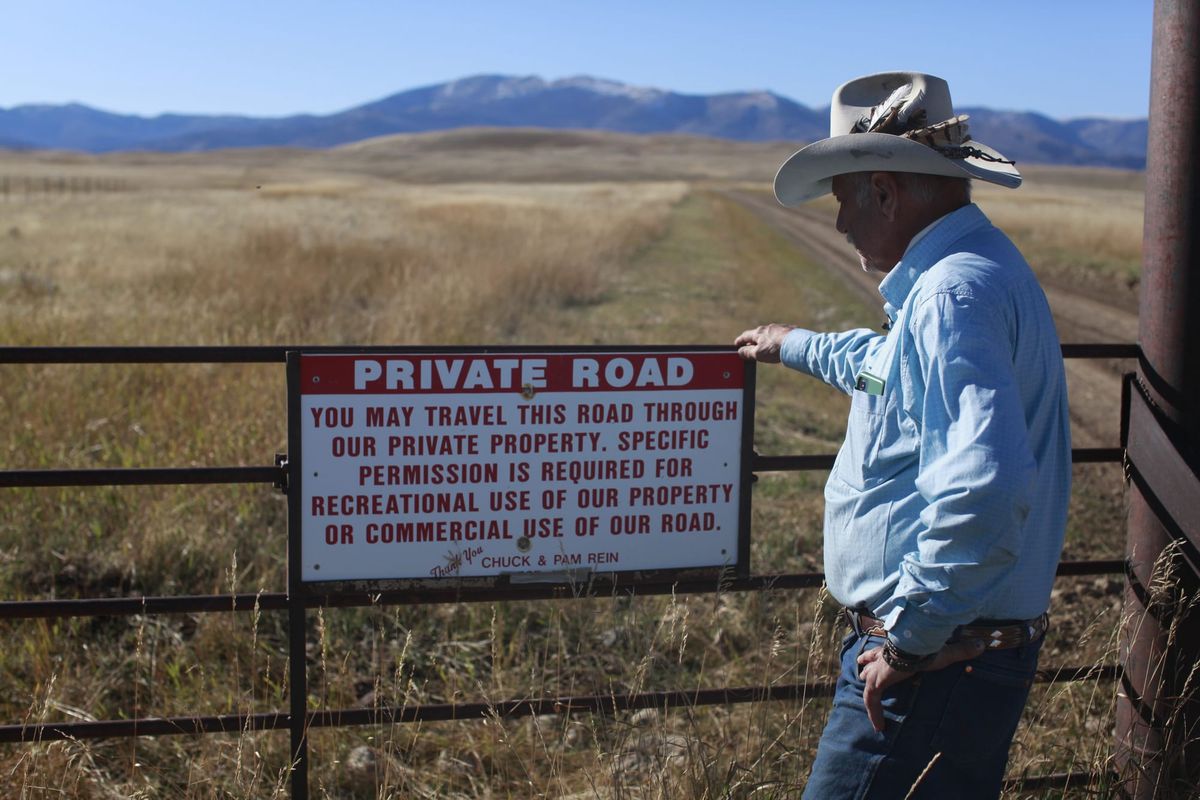
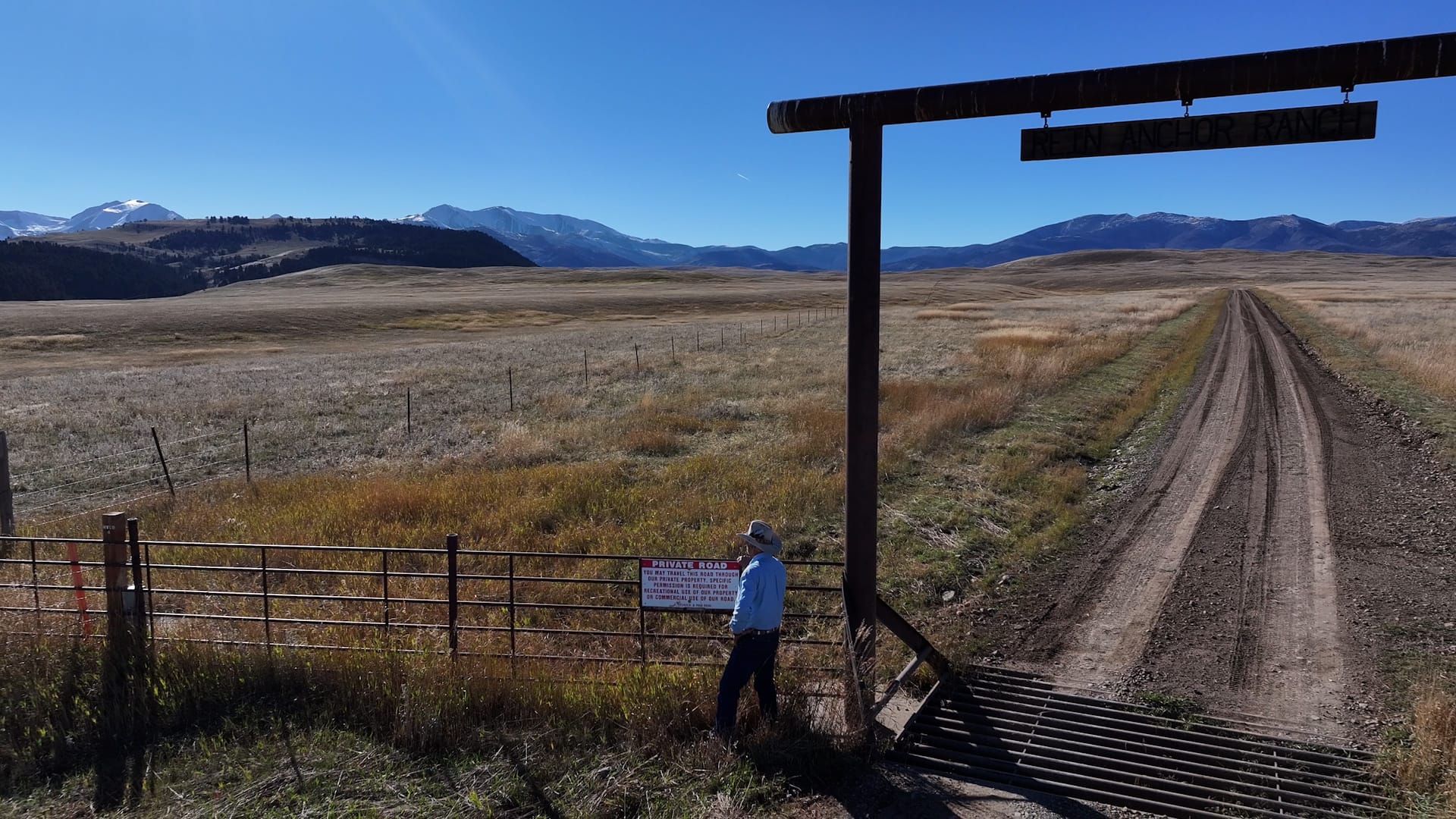
At the end of a dirt road along the northeastern edge of Montana’s Crazy Mountains, a simple sign warns visitors they are now entering private property.
For fifth-generation Montanan Brad Wilson, the notice marks a defeat with implications far beyond the Crazies.
“The fate of our public lands and our rights are in jeopardy right now,” Wilson told Floodlight.
 Evan Simon/Floodlight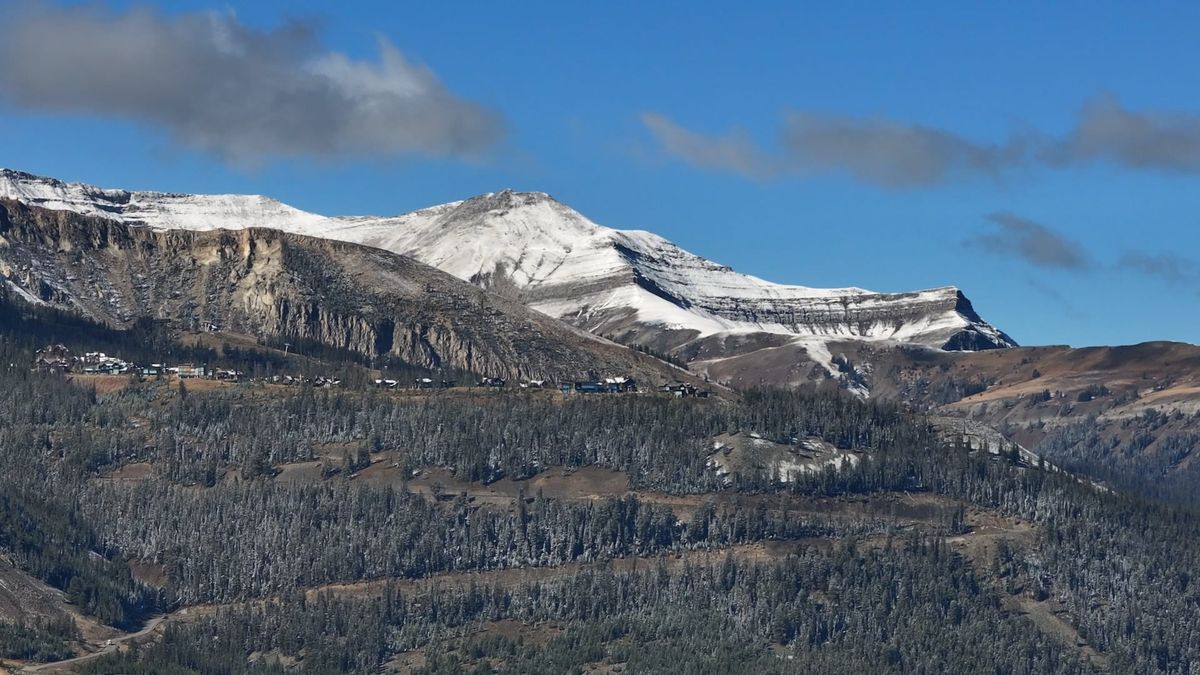
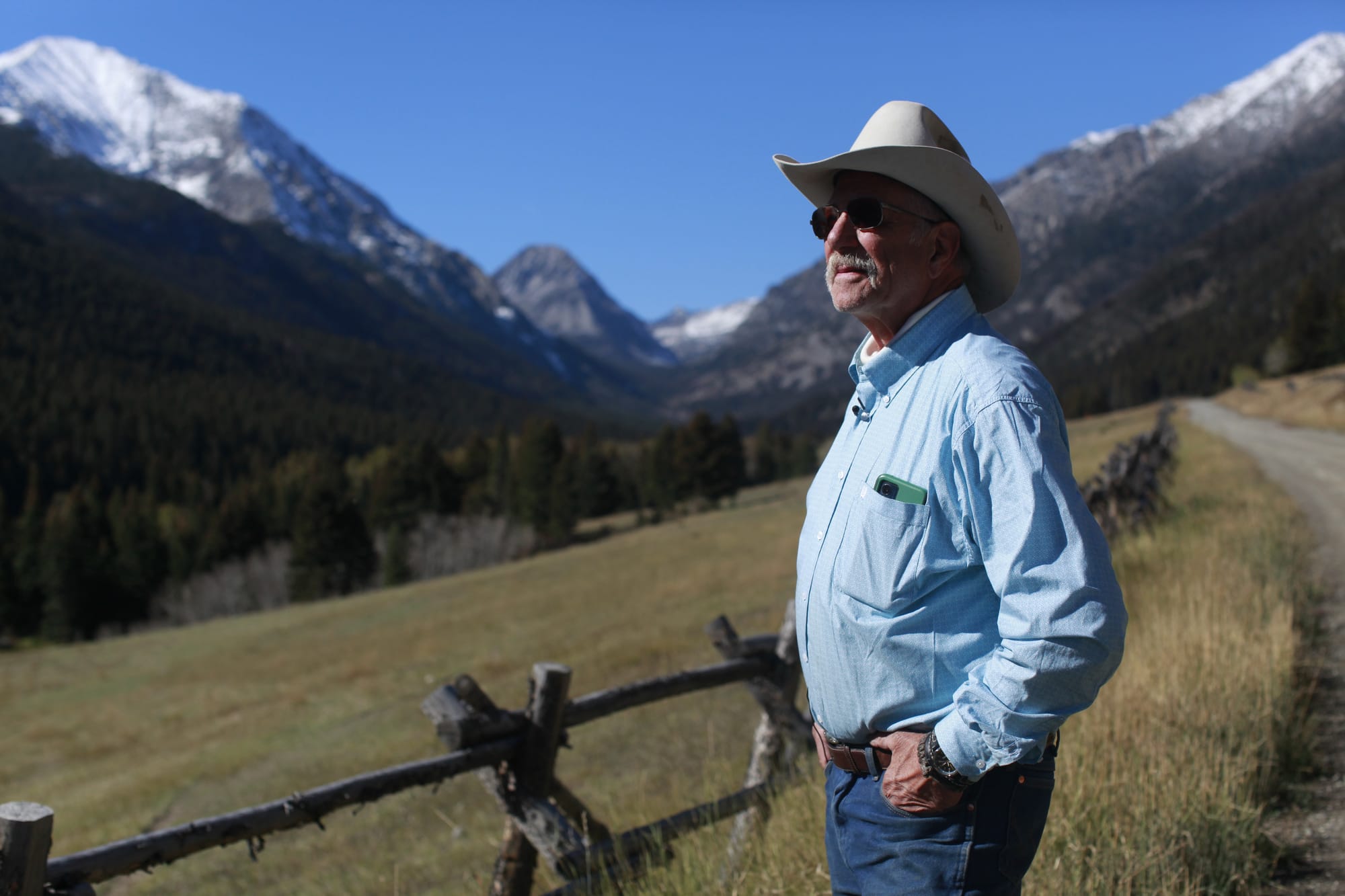
Wilson is a former sheriff’s deputy and lifelong hunter. For most of his life, he has lived in the jagged shadows of the Crazy Mountains — their snow-capped peaks and twisting valleys watched him grow from a boy herding sheep on his grandfather’s ranch to a grey-haired hunter tracking elk herds across their remote slopes.
“The loss of this access means a lot to me and everybody else,” he said beside the gate, looking down and hiding the wet corners of his eyes.
The road beyond the gate next to Wilson leads into what was, for more than a century, one of two historic public trails into the east side of the Crazies. The U.S. Forest Service relinquished the public’s access to the trail early last year as part of a land swap with the Yellowstone Club — an exclusive mountaintop retreat for the megarich located 100 miles away in Big Sky.
“It doesn't make any sense to me to give this up,” said Wilson.
Built atop former public lands outside Big Sky, the Yellowstone Club advertises itself as “the only private mountain ski resort in the world.” Members include celebrities, tech titans, financial elites and high-ranking members of the Trump administration. (Evan Simon / Floodlight)
For many Montanans, the swap has come to symbolize the growing influence of wealthy private interests spreading across America's public lands and provides a glimpse of what could come under the Trump administration.
There are more than 600 million acres of federally owned public lands across America — from iconic national parks and monuments to forests, grasslands and seashores. But now, nearly 90 million of those acres are at risk of some kind of development due to what critics describe as an unprecedented shift in policies under the first and second Trump administrations.
In Arizona, a sacred Indigenous site was handed over earlier this year to a copper-mining company. In Utah, Republican Sen. Mike Lee attached a provision last summer to the federal budget that would have sold up to 3.2 million acres of public land across the West. And just last month, the U.S. Senate voted to overturn a 20-year-old mining ban on federal lands in Minnesota, clearing the way for a foreign-owned copper mine.
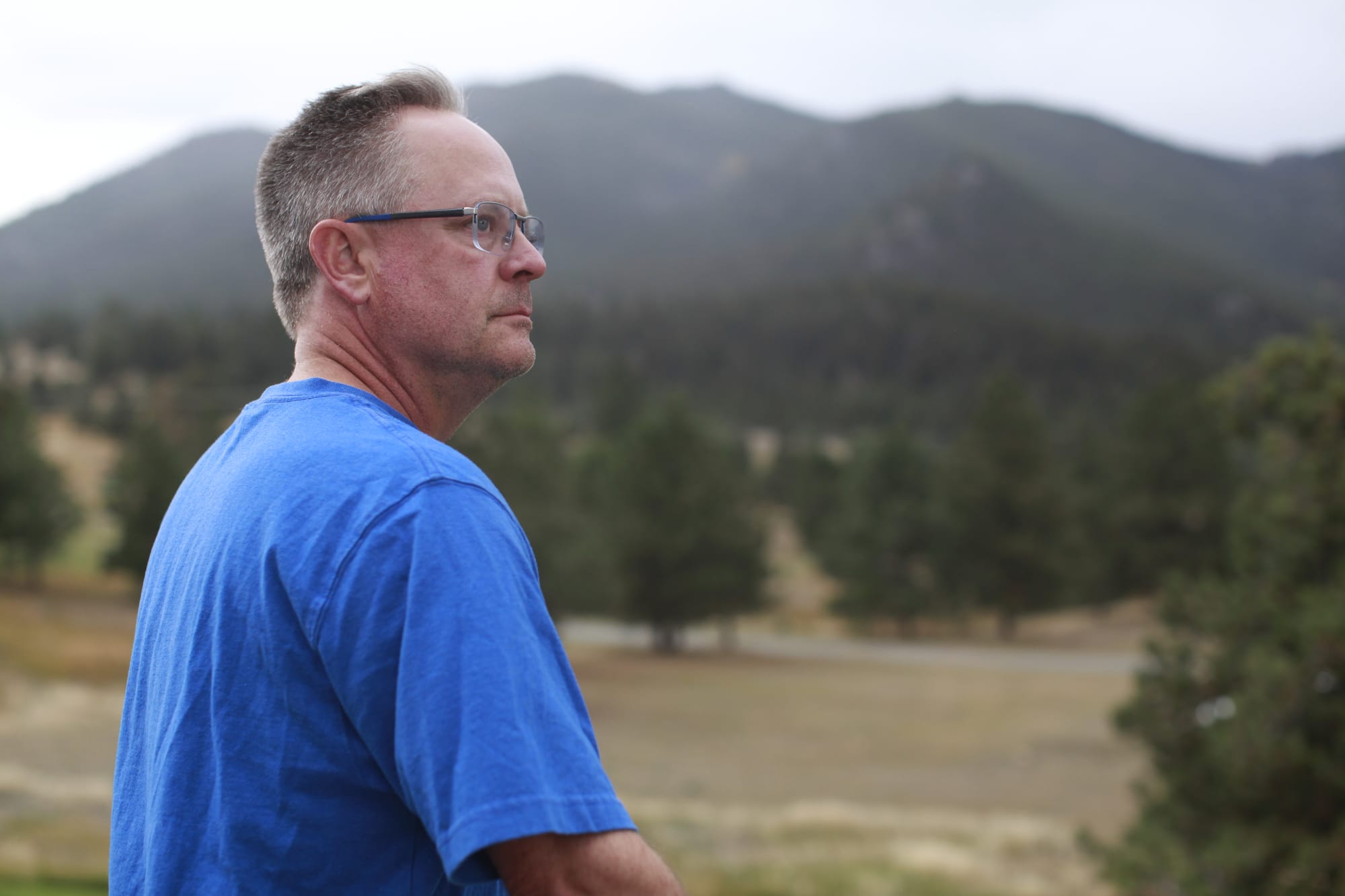
Perhaps nowhere in the country is the fight over public lands — and the big-moneyed interests pulling the strings — more on display right now than in Montana’s Crazy Mountains.
“This is a really simple issue,” said Andrew Posewitz, a Montana public lands advocate and the son of a renowned conservationist. “The public had some really good land and some really good access in the Crazy Mountains. Some really rich people decided they liked the Crazy Mountains a lot … And now the public doesn't have that access.”
Every American — not just Montanans — should care, he warned.
“Because it is very much a harbinger of potentially what could come.”
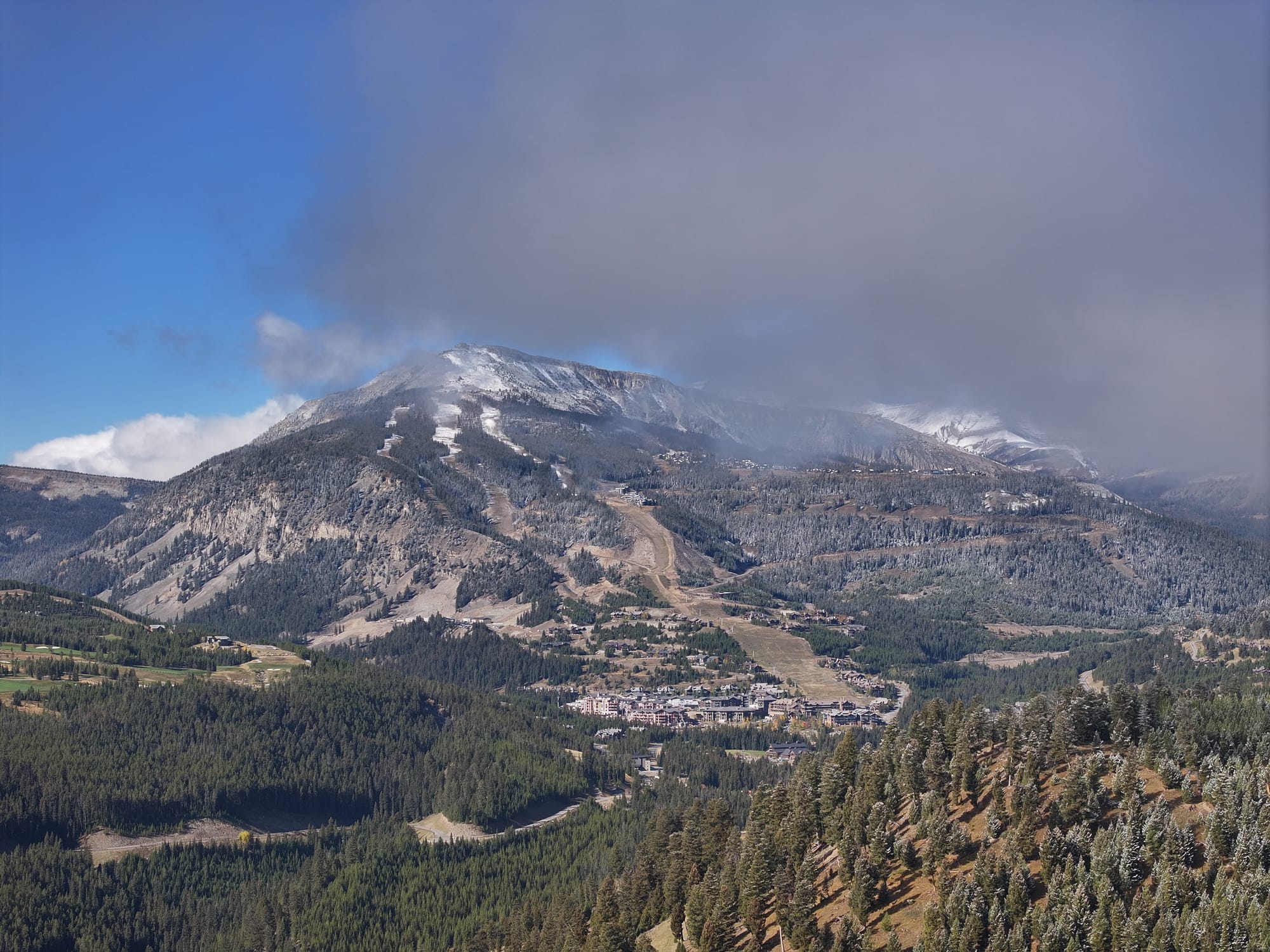
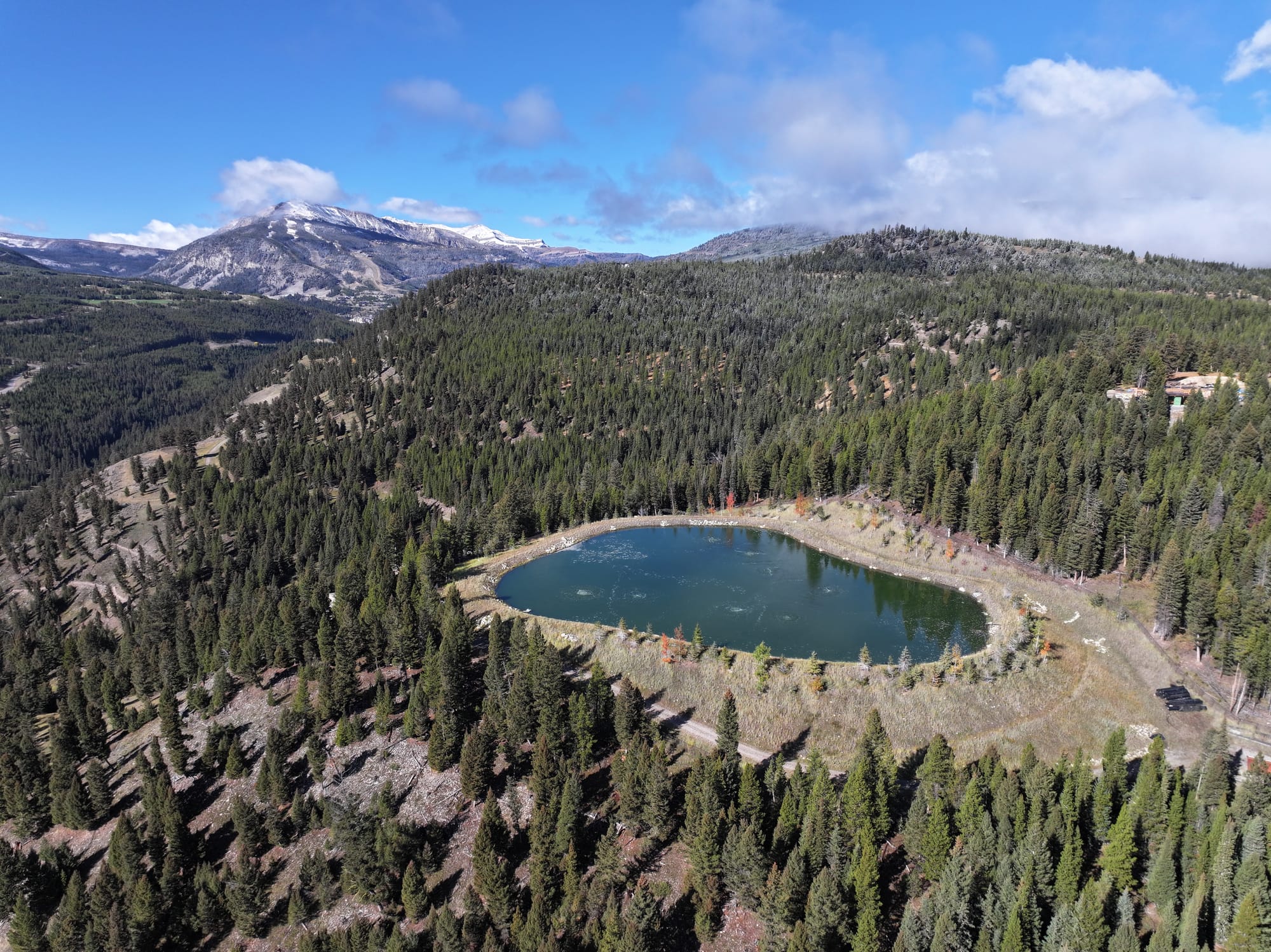
Perched more than 7,000 feet above sea level, the Yellowstone Club was built atop former public lands acquired through land exchanges with the U.S. Forest Service in the 1990s. It has since converted more than 15,000 acres outside Big Sky into one of the most exclusive communities on the planet.
The club’s membership has included familiar names: celebrities like Justin Timberlake, Tom Brady and Paris Hilton; tech titans like Mark Zuckerberg, Bill Gates and Eric Schmidt; and financial elites like Bill Ackman, Warren Buffett and Robert Herjavec.
Inside its gates, the Yellowstone Club has an 18-hole golf course, a concert venue, a movie theater, a dedicated fire department, hundreds of luxury homes and nearly 3,000 acres of private ski slopes. Initiation runs in the hundreds of thousands of dollars and an undeveloped lot inside the gate has sold for as much as $10 million, according to Forbes.
CrossHarbor Capital Partners, a Boston-based investment firm, bought the Yellowstone Club out of bankruptcy in 2009.
In the 17 years since, the firm has expanded its Montana portfolio — developed through a subsidiary called Lone Mountain Land Company — to become one of the largest luxury-resort footprints in the Rocky Mountains.
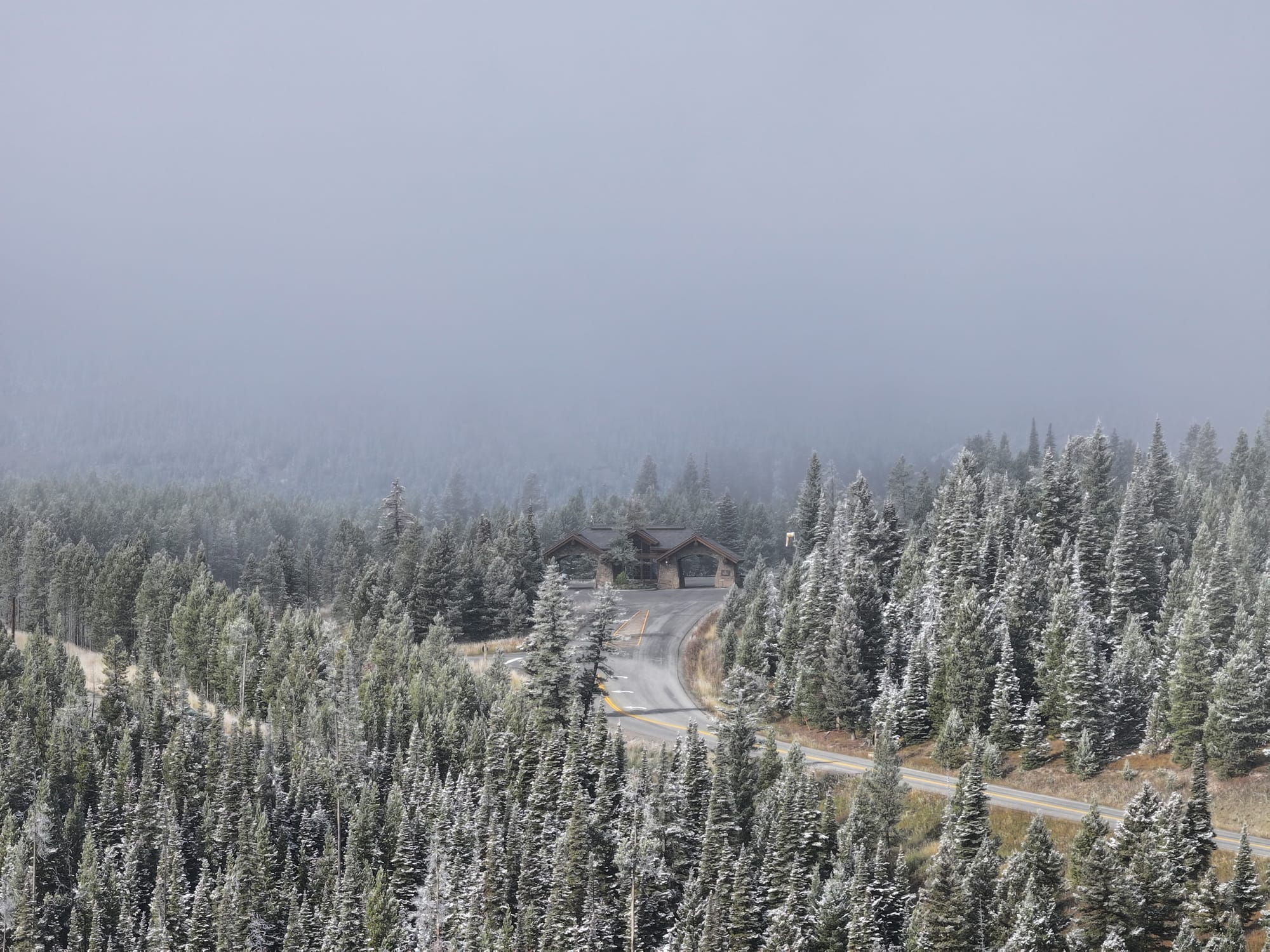
"They're gobbling up mass swaths of Montana," said Erik Nylund, who served as a staffer for former Democratic Montana Sen. Jon Tester and met often with club representatives. "They will throw money around at anybody and everybody to get what they want."
In 2016, the Yellowstone Club drew criticism after more than 30 million gallons of its sewage overflowed into the headwaters of the Gallatin River, drawing over $300,000 in penalties and financial commitments from the company — and outraging locals.
The Yellowstone Club declined an on-camera interview for this story. In a written statement, a company representative noted that numerous lawsuits against the club over its impacts to local waterways “have been dismissed by federal judges” and the club has spent millions to treat its wastewater “to the highest standards the State of Montana assigns.” CrossHarbor also did not respond to an interview request.
The club has also become a favorite refuge among high-level Trump administration officials: Energy Secretary Chris Wright owns a home there; Vice President JD Vance reportedly spent Christmas at the club; and Trump himself hosted a campaign fundraiser there in 2024.
And the man in charge of most of America’s public lands is also a member.
Interior Secretary Doug Burgum oversees 500 million acres of federal land in the U.S., and has referred multiple times to these parcels as “assets on America’s balance sheet.”
Since early 2025, Burgum — along with Agriculture Secretary Brooke Rollins — has helped the Trump administration pursue major overhauls of public lands management, including a $1 billion cut to the National Park Service budget, opening the Arctic to potential oil and gas drilling and repealing the 2001 Roadless Rule, the safeguard that has kept new roads and clearcuts out of nearly 60 million acres.
A real estate developer and the former governor of North Dakota, Burgum owns a $22 million condo at the Yellowstone Club, according to Montana property records reviewed by Floodlight.
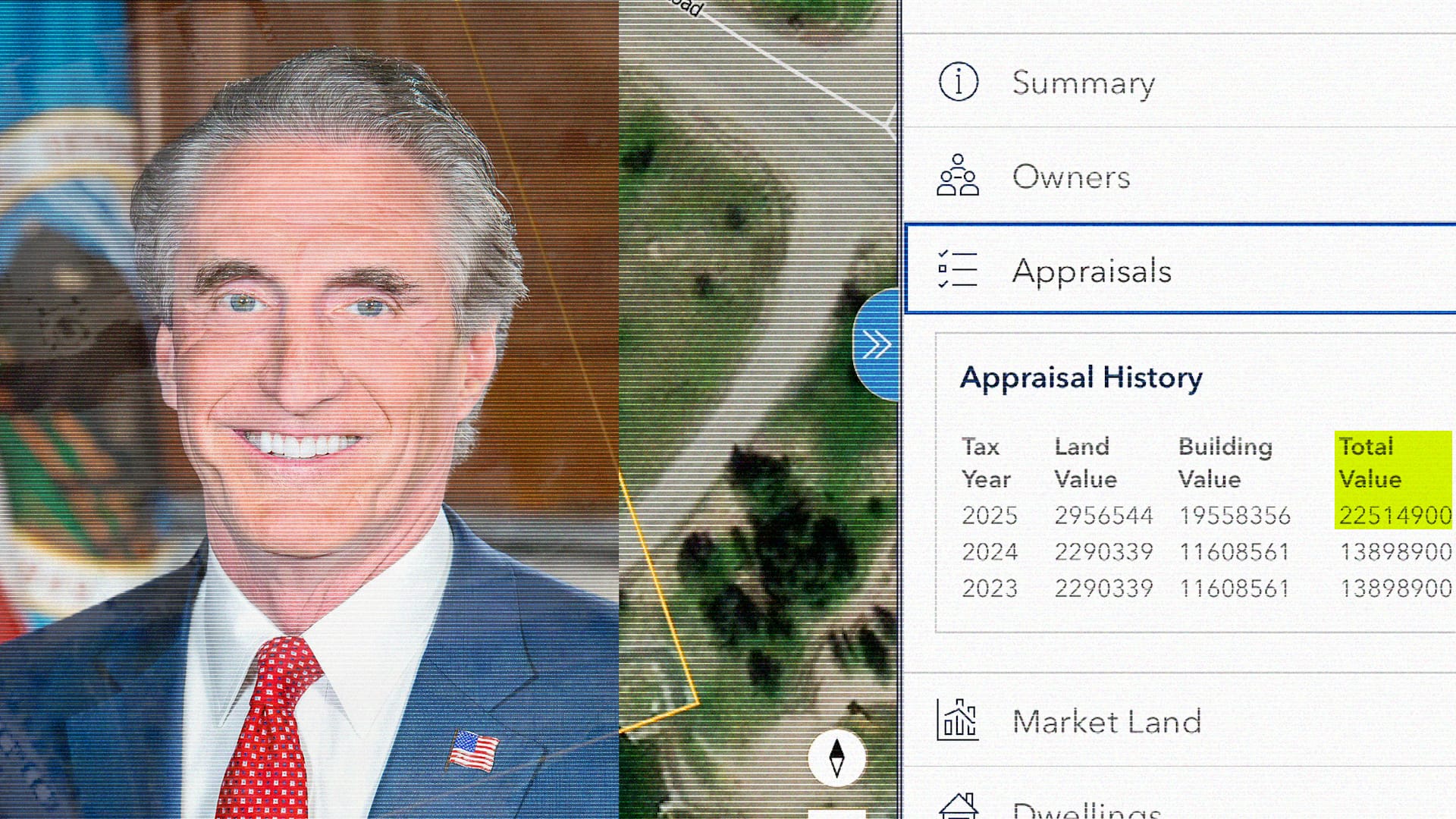
It’s held through an entity called Lone View, LLC. Burgum disclosed last year that he rented it out in 2024 for income between $100,001 and $1 million. Burgum also holds a separate ownership stake in the club itself that he valued at up to $250,000 and that paid him nearly $22,000 in 2024.
Burgum's latest financial disclosure form shows he did not divest from any of these interests upon taking office. A representative declined to answer if the secretary would abstain from any future decisions involving the club or its affiliates. Meanwhile, Burgum has partnered with the Department of Housing and Urban Development to explore ways for public lands to be sold in order to make room for more affordable housing across the country.
“He shouldn't be involved in residential development on public lands while he owns that,” said Richard Painter, former chief ethics lawyer to the George W. Bush administration. “Let someone else handle that — he's got a deputy.”
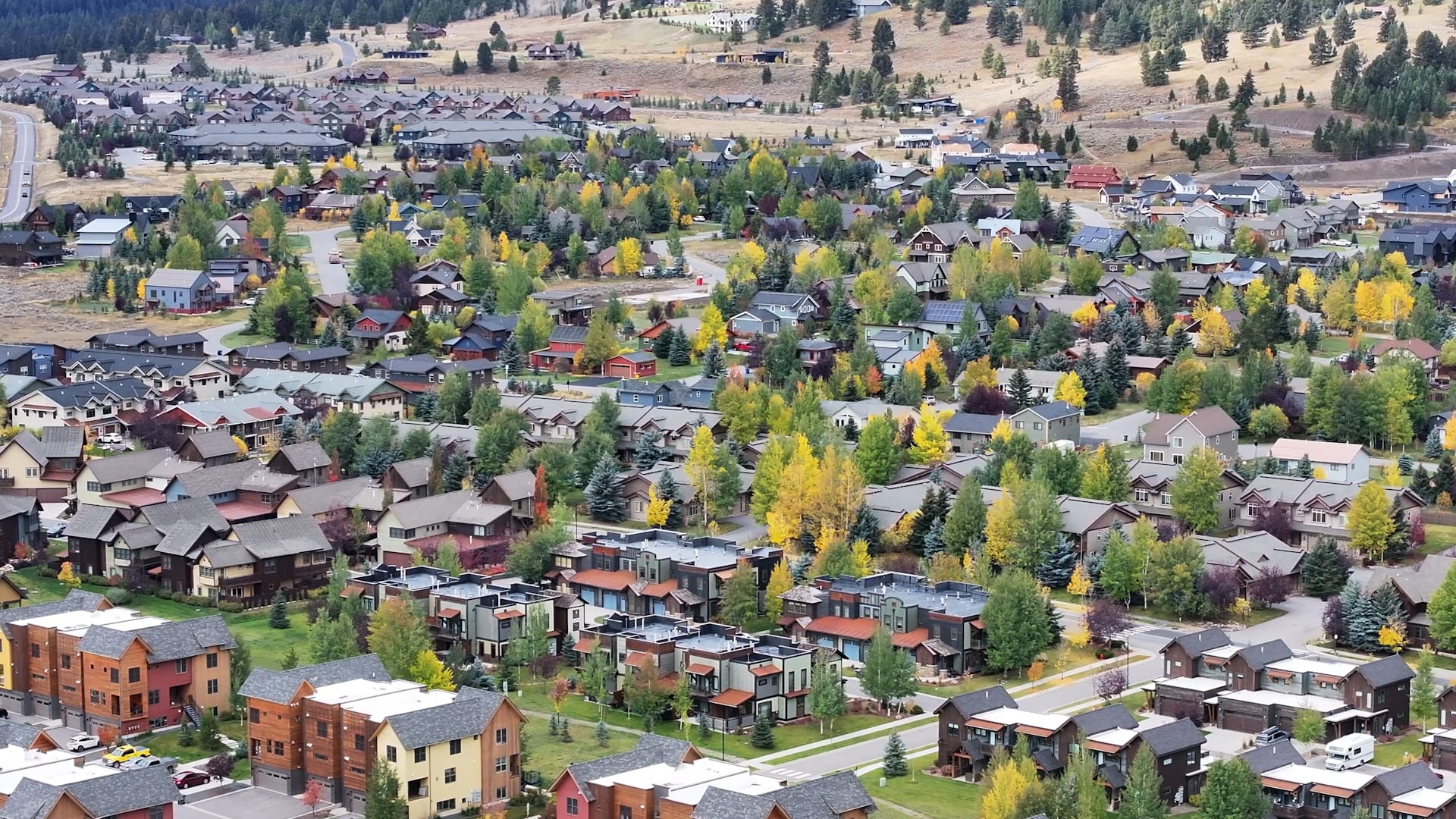
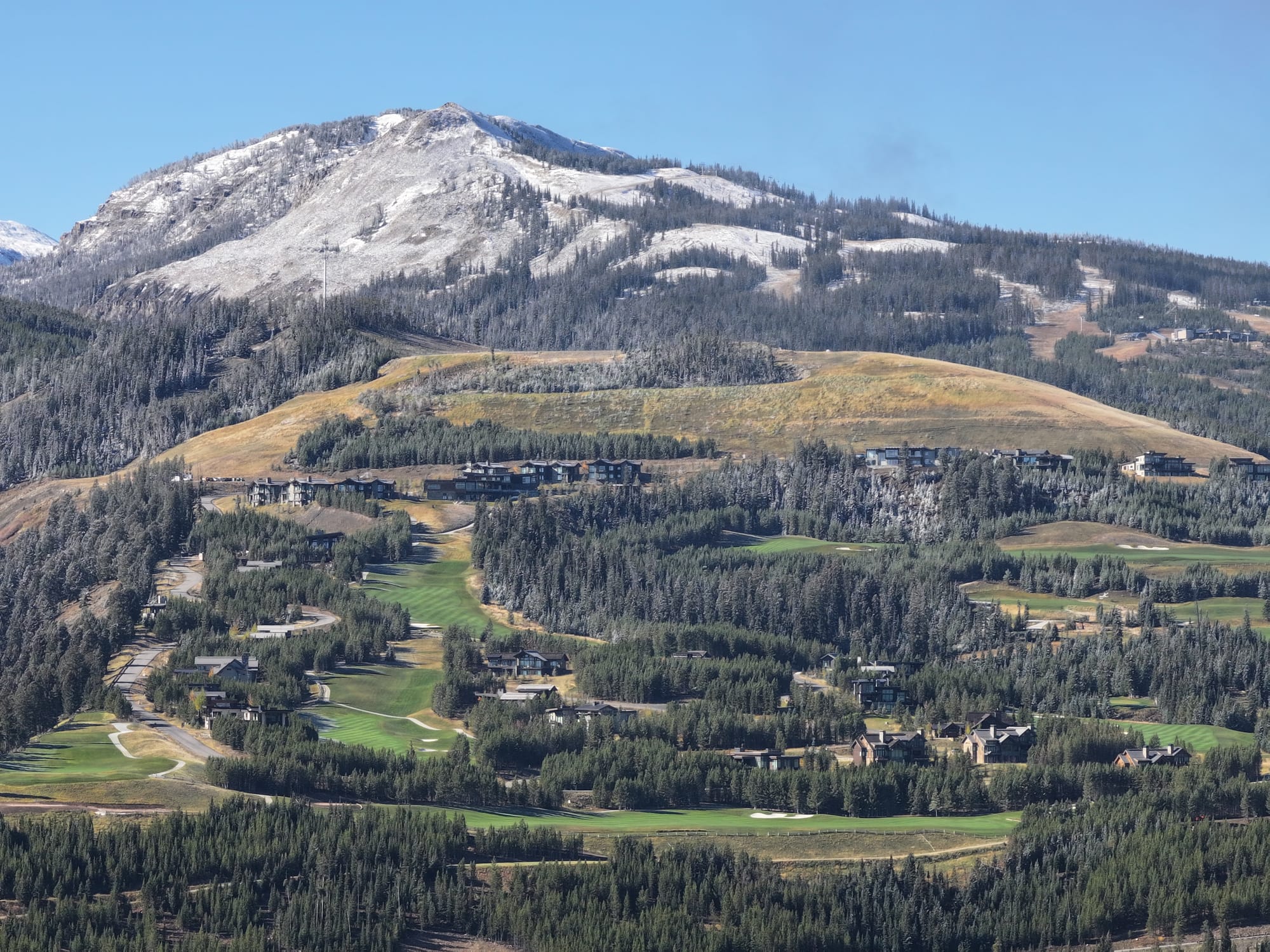
Luxury homes inside the exclusive Yellowstone Club are perched more than 7,000 feet above sea level. Initiation fees run in the hundreds of thousands of dollars and an undeveloped lot inside the gate has sold for as much as $10 million, according to Forbes. (Evan Simon / Floodlight)
Burgum’s office did not answer Floodlight’s emailed questions, but responded to our inquiry with this statement: “Secretary Burgum has complied with all federal ethics requirements and remains committed to protecting America’s ability to responsibly use and care for our federal lands for the profit and benefit of future generations.”
In the past, Burgum has argued his policies aim to lower the national debt and address the nation’s housing crisis.
“They'll say the words ‘affordable housing’ and there's not going to be anything affordable about it,” said Nylund, arguing that only luxury home builders and private resorts would be interested in developing America’s largely remote and inaccessible public lands.
“It's all about development,” he said. “And if you've taken a ride to Big Sky or the Yellowstone Club lately, you've seen what development looks like, and it's a bunch of mansions.”
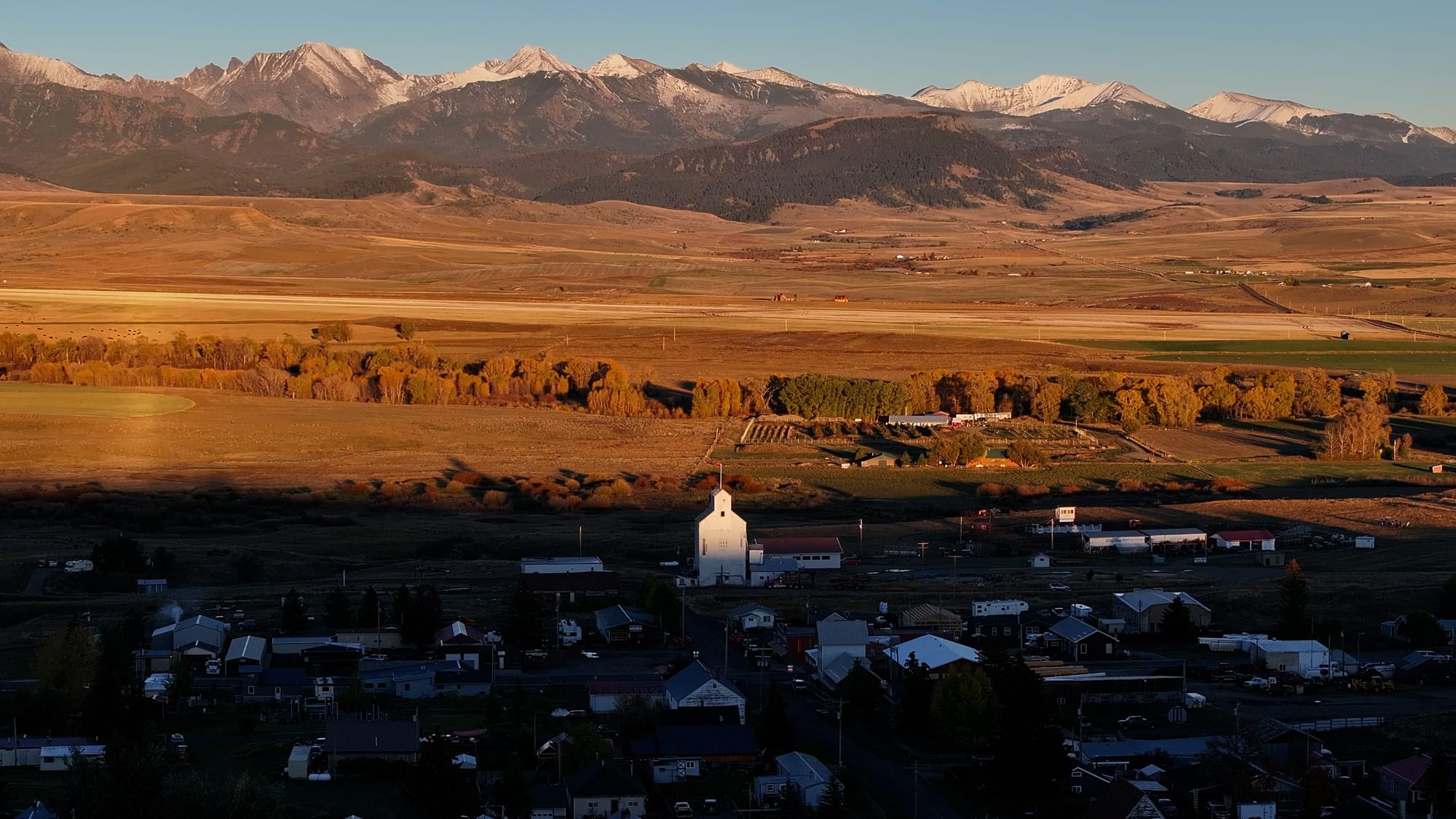
Despite their distance from Big Sky, the fear of luxury resorts replacing wilderness hangs heavy over the Crazy Mountains.
“The wealth that’s coming here is just changing our way of life,” fifth-generation Montanan Brad Wilson said.
Wilson, 71, lives a quiet life in Wilsall, a tiny town at the foot of the Crazies. The walls of his small home are adorned with antlers and family photographs dating back to the 1800s.
"I grew up with a pack on my back hiking those mountains," he said. "Both of my sons grew up in the Crazy Mountains ... And I cannot tell you how special they are to me — because I get choked up sometimes."
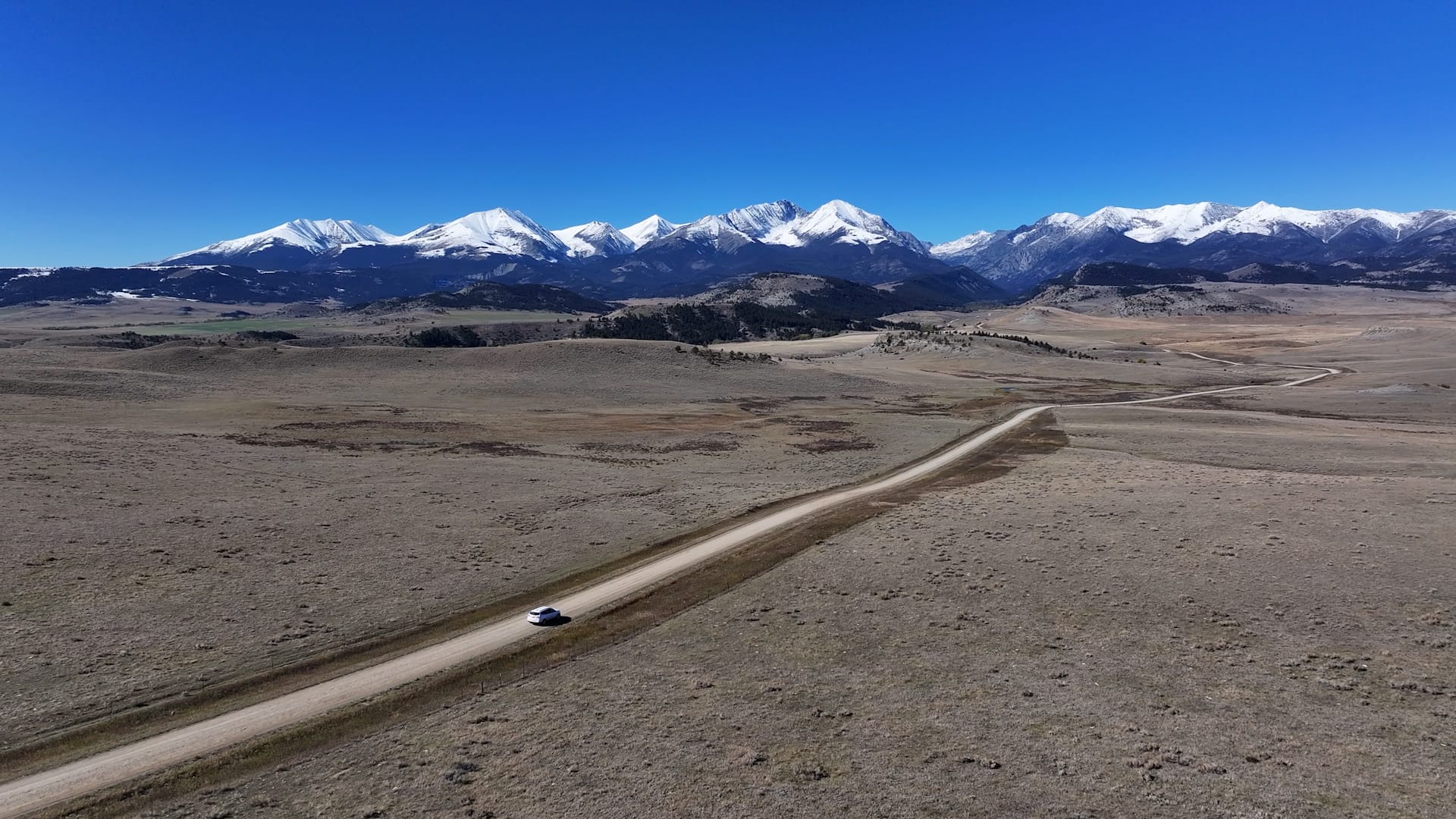
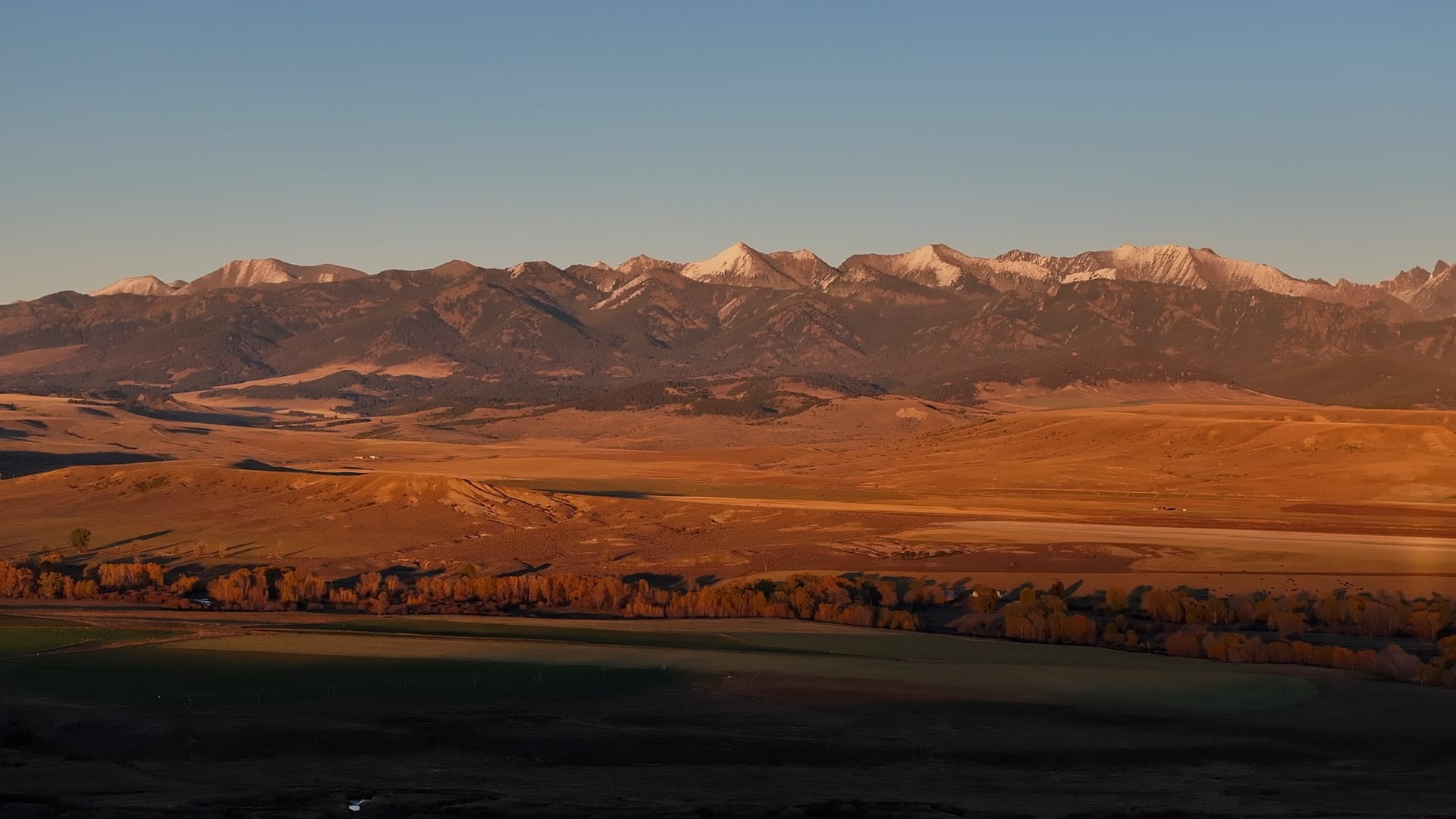
The Crazies resemble a mountain fortress — an island of jagged peaks rising more than 7,000 feet above the surrounding high plains, complete with secluded river valleys and alpine lakes. Yet their beauty belies a long history of heated conflict rooted in century-old decisions.
In the late 1800s, Congress paid the transcontinental railroads for their work by giving them every other square mile of federal land across whole regions of the West, which resulted in a checkerboard pattern of private and public land ownership.
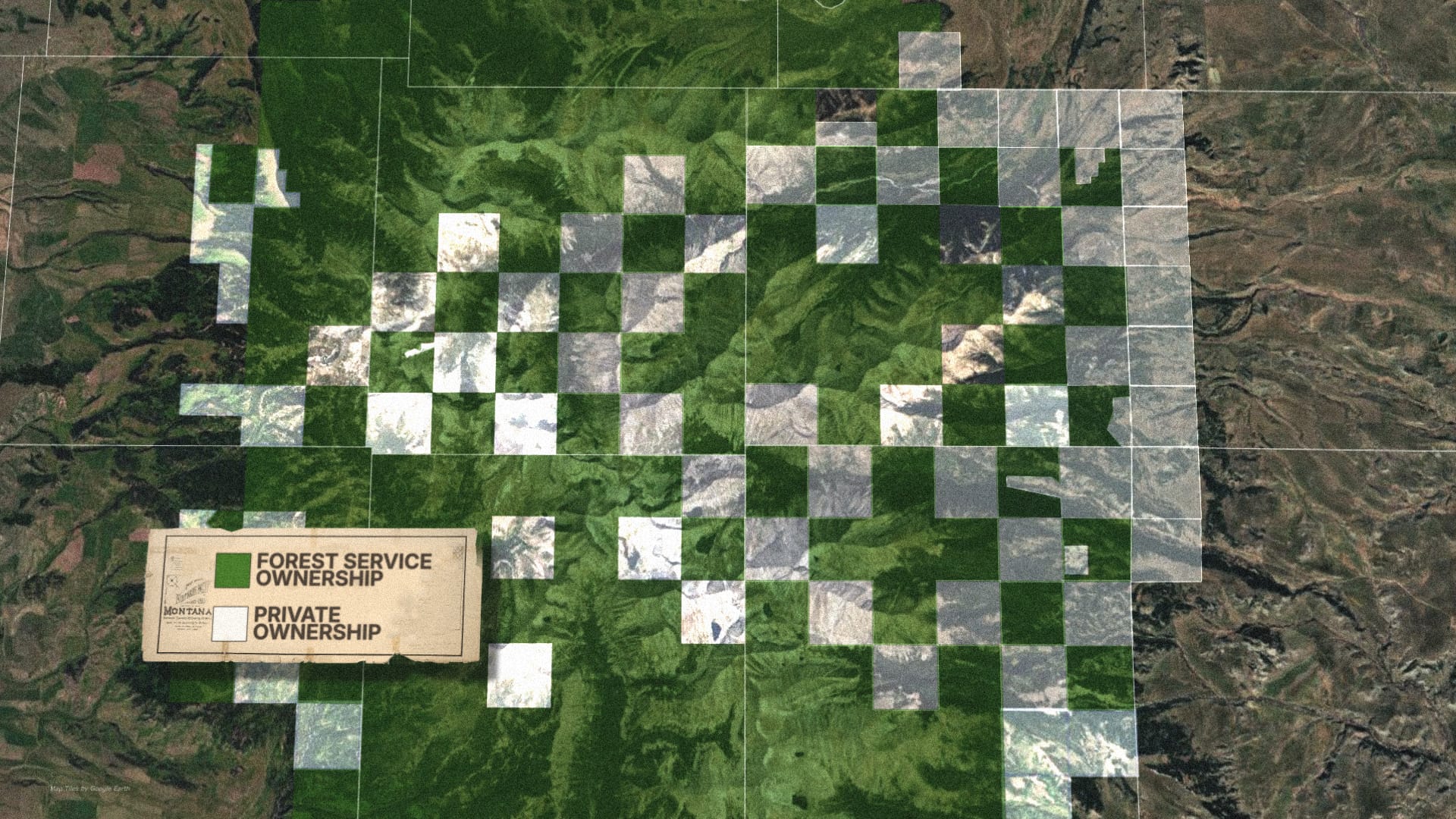
Anyone could continue to use public roads and trails that crossed through these newly minted private parcels, according to congressional acts and court rulings. Over time, however, those parcels in the Crazies were bought up by some of the richest people in the state, some of whom objected to the public crossing through their land.
“They began to do things that violated those rules, such as blocking these roads, blocking these trails,” said Posewitz, the Montana lands advocate.
Wilson first noticed the change around 2016, when he encountered a blocked trail on the west side of the Crazies that his grandparents had used nearly a century ago. He was furious.
“All of a sudden I'm like, ‘No, you can't do that. That’s ridiculous,’” Wilson recalled.
Around that time, a U.S. forest ranger began to defend public access in the range by putting up Forest Service signs along contested trails. The big landowners weren’t happy. They reached out to Montana Republican Sen. Steve Daines and Trump’s then-Agriculture Secretary, Sonny Perdue. It wasn’t long before the ranger was reassigned.
Daines and Perdue did not respond to Floodlight’s repeated requests for comment on the ranger controversy, and Forest Service officials said they wouldn’t talk about it. However, Mary Erickson, the former ranger’s boss, did talk, and she denied any political interference.
She said the ranger “wasn’t reassigned,” he was “just assigned to something else while the investigation was in place.” She acknowledged the move looked punitive but said it was for the ranger’s own protection as the process played out.
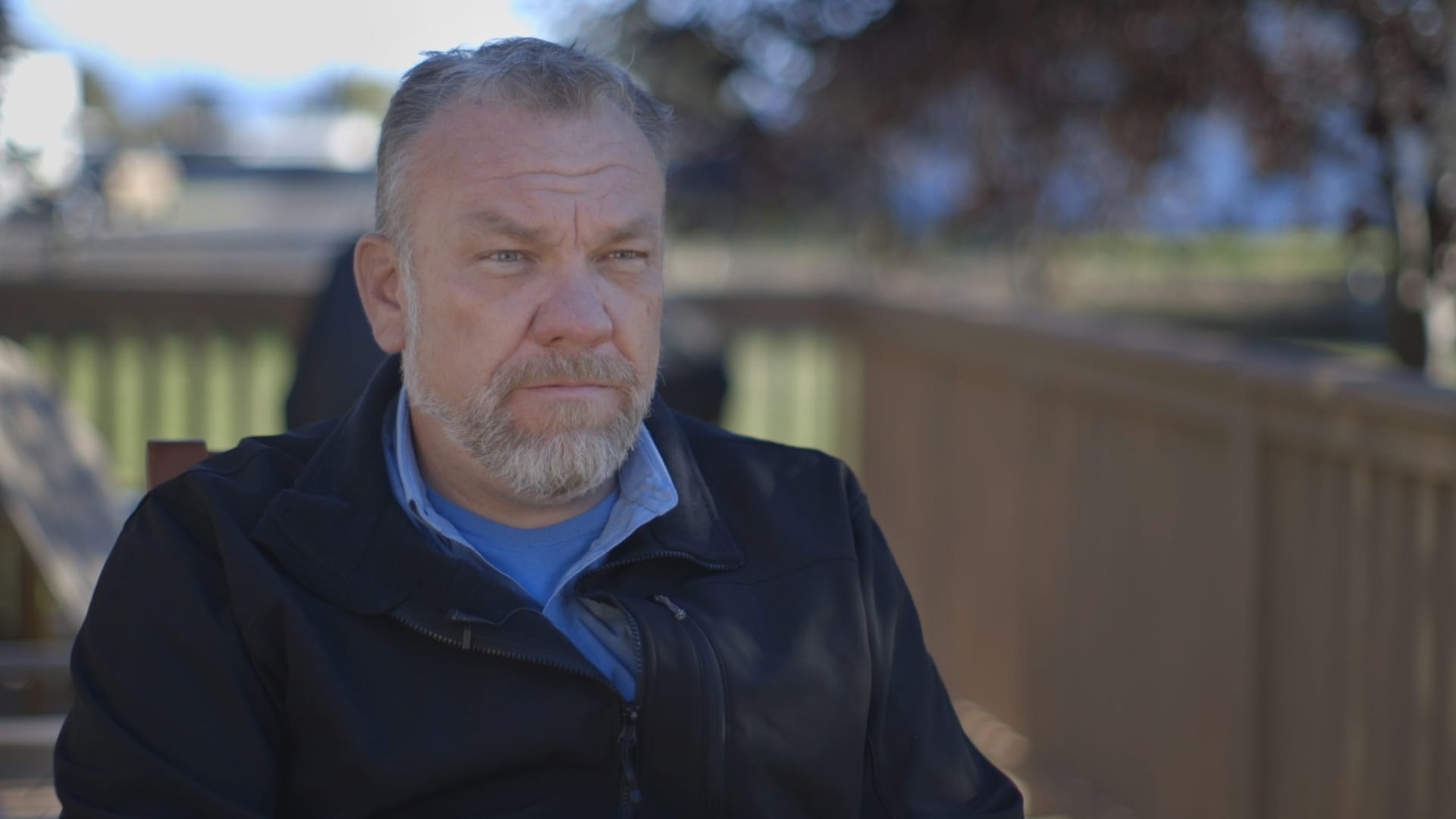
Nylund served as Senator Tester’s natural resources liaison at the time, and said he worked closely with the Forest Service. To him, the ranger controversy exemplified the growing influence of Montana’s elites on the Crazies.
“The political forces of the country came down on this district ranger and they put him in his place,” Nylund said.
The ranger was eventually reinstated in 2017 after being cleared of any wrongdoing. Around the same time, Nylund said he was approached by a high-end consultant for an unnamed client seeking to swap land in the Crazies with the U.S. Forest Service.
The unnamed client?
“That was the Yellowstone Club,” Nylund said.
Nylund later learned that in order to get the land they needed for an “expert ski run” in Big Sky, the club agreed to help the Forest Service solve access disputes in the Crazies by organizing a land exchange.
“We didn’t have the time and resources to resolve some of that,” said Erickson, the former Forest Service supervisor. But she said she made it clear that “the Yellowstone Club wouldn't call the shots, and I do feel like that was true the whole way.”
Multiple people involved with early discussions around the land swap said the Yellowstone Club’s involvement in the exchange was kept secret and only revealed years into the process. Once the information did get out, the club’s representatives worked to reassure locals that they had no intention of developing the Crazies.
“Then out of nowhere, it's announced that they are purchasing the Crazy Mountain Ranch,” said Emily Cleveland, a program director at Wild Montana — a conservation group that works to protect public lands and wildlife in the state
Crazy Mountain Ranch is an 18,000-acre former dude ranch located at the foot of the range’s southern end. Cleveland called the club’s move a “bait and switch.”
“It just really changed our ability to trust them at their word,” she said.
The Yellowstone Club is now converting the ranch into what it describes as “a private membership experience” featuring a luxury spa and a new 18-hole golf course. In response, shell-shocked locals have taken to posting “RANCHES NOT RESORTS” signs along the roads.
“I about fell over,” Wilson recalled of learning the news. “It just shows the deception and the nontransparency of this whole thing.”
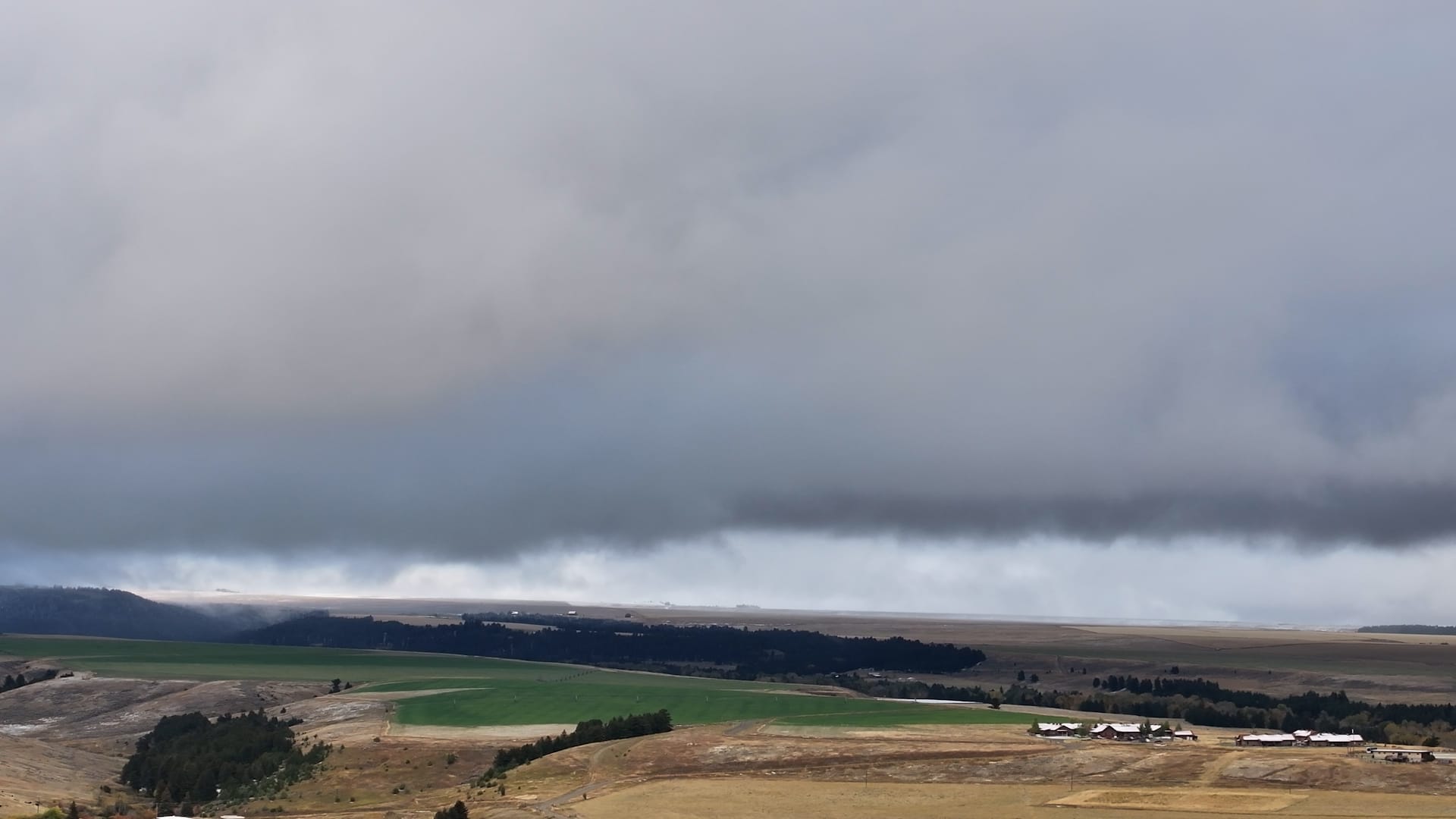
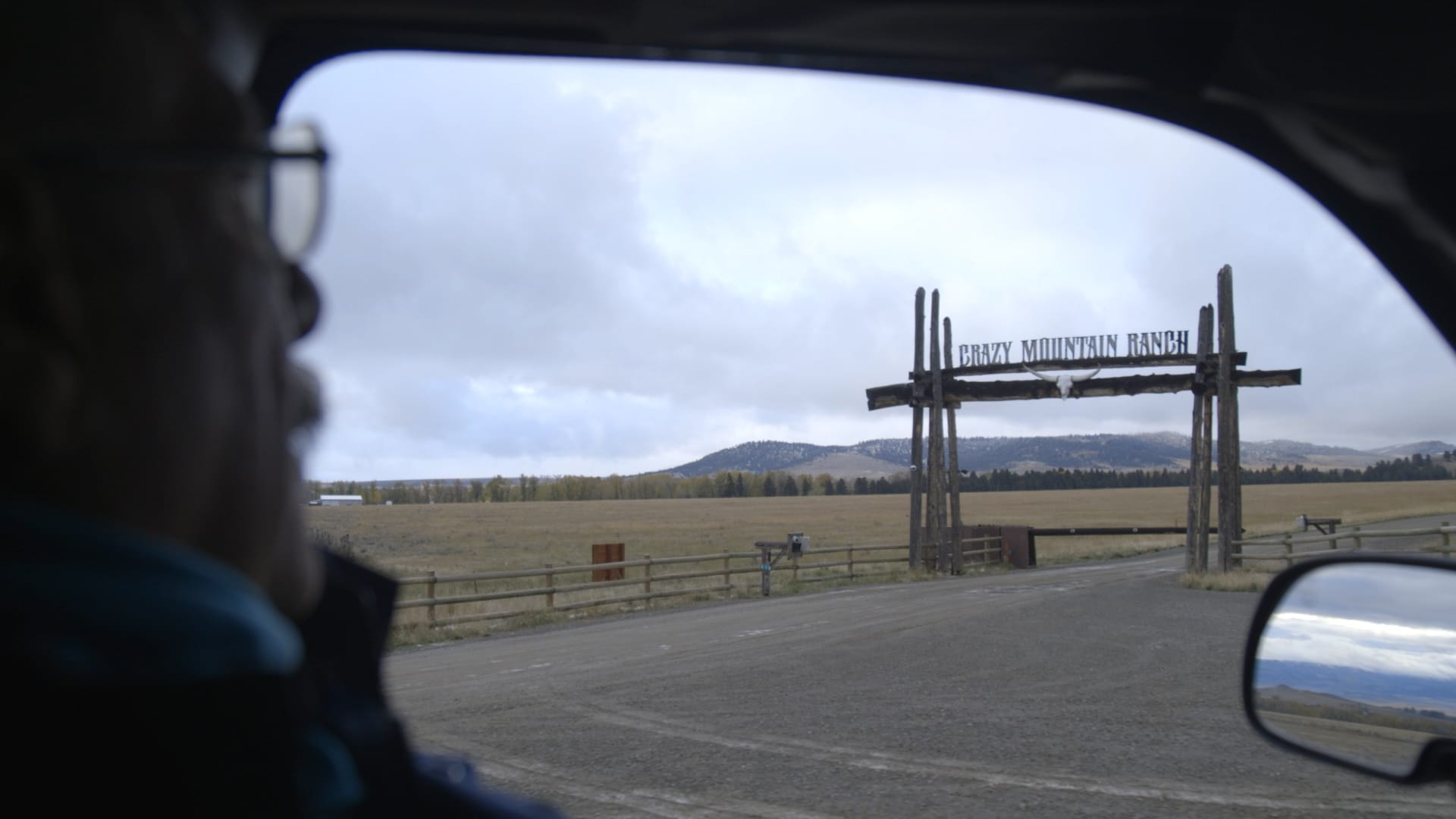
The Crazy Mountain Ranch was purchased by the Yellowstone Club’s owners in 2021, shocking locals who said club representatives told them they had no interest in developing the Crazies. (Evan Simon / Floodlight)
A club representative told Floodlight that, “At the time of those early discussions, there were no plans or intention to own land in the Crazy Mountains … This development came near the end of the exchange discussions and only enhanced the benefits to the public.”
However, the ranch began illegally drawing water to irrigate its golf course in 2024 and Montana regulators sued them the following year.
“There’s a very famous saying in Montana that ‘Whiskey’s for drinking and water’s for fighting,’ and when you take water that you’re not entitled to, that's a big deal here,” said Posewitz.
The club said it underestimated the time it would take to get regulatory approval, and later reached an agreement with the state to stop watering its golf course until proper permits were in place.
A Yellowstone Club representative declined to answer if the group is planning to acquire any more land in the Crazies, instead writing that they expect to be “a good neighbor for many years in the Shields Valley community.”
Fears surrounding the luxury developer’s potential impact on the Crazies reached a fever pitch after the Forest Service authorized the landswap the club helped orchestrate in January 2025.
The deal, called the East Crazy Inspiration Divide Land Exchange, moved nearly 4,000 acres of public lands into private ownership. In return, the public got more than 6,000 acres of private lands. On paper, it looked like a bargain: Appraisals obtained by Floodlight put the value of the land the public gained at more than $9.6 million and the land it gave up at more than $8.5 million. However, the swap enraged some locals because most of the low-lying accessible hills the public could enjoy were given up for high-elevation areas.
“All of the sort of prime habitat, that all went into private ownership, and then the tops of the mountains all went into public ownership,” said Posewitz.
The independent appraiser hired by the Forest Service seemed to agree. She described one section of land the public was getting as “very steep and difficult” to reach. Hunting would be impossible on most of the property. A person “would have to be a skilled rock climber” to navigate it, she wrote.
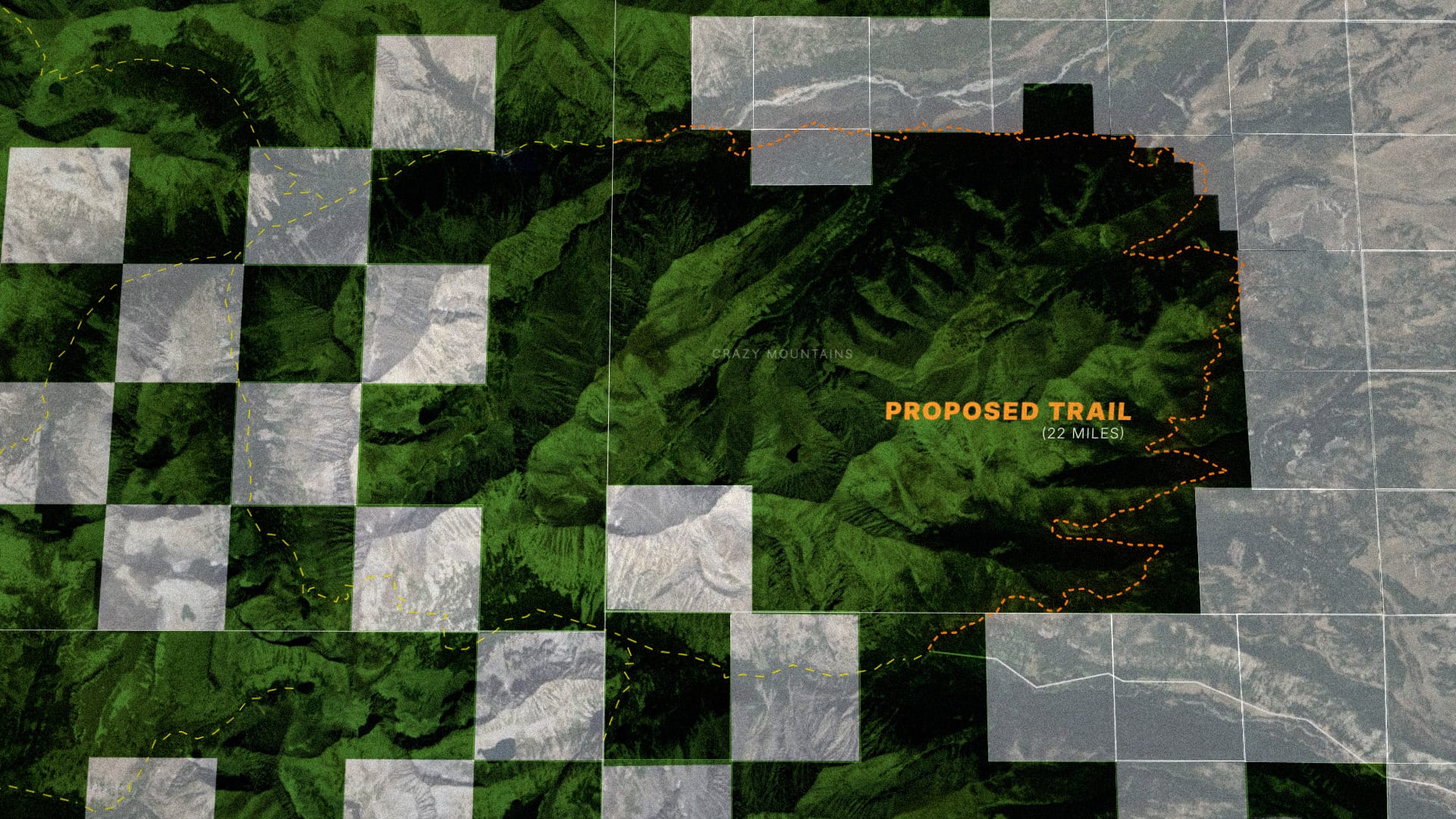
The land swap also solved the checkerboard issue that has plagued the Crazies for decades by consolidating public lands in the center of the range.
“What it's resulting in is a ring of private ownership around a chunk of public land that has very limited access,” said Posewitz.
Critics argue the exchange only benefits large landowners in the Crazies, several of whom run high-end hunting operations that rely on the range’s valuable natural resources.
Yellowstone Club member David Leuschen, for example, has acquired a nearly 8,500-acre ranch along with remote inholdings — including entire mountains — and is among the largest private landowners in the Crazy Mountains. Leuschen did not respond to requests for comment.
“The landowners now have access to the public lands in a really exclusive way,” said Cleveland of Wild Montana. She said the exchange gives these landowners “easy access into that country where the public has to hike 20 miles of backcountry trail to get in there” and “opens the door to a much more realistic development scenario.”
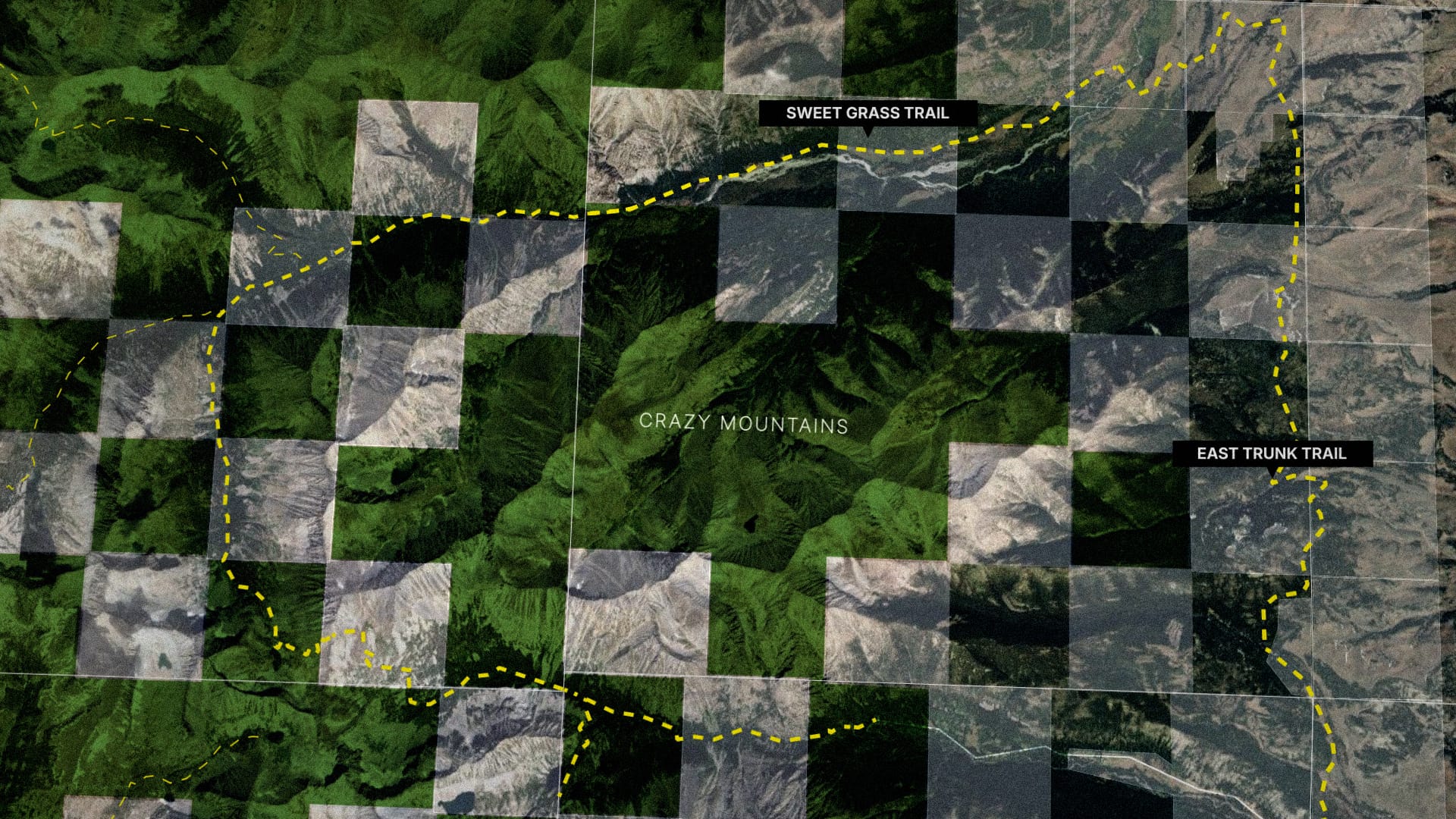
The most contested piece of the deal was the trail network. Two historic public trails had appeared on Forest Service maps for more than a century. The exchange abandoned the public’s claim to both.
In their place, the Yellowstone Club agreed to pay for a new 22-mile trail on mostly public land, at a substantially higher elevation, as part of a 40-mile backcountry loop.
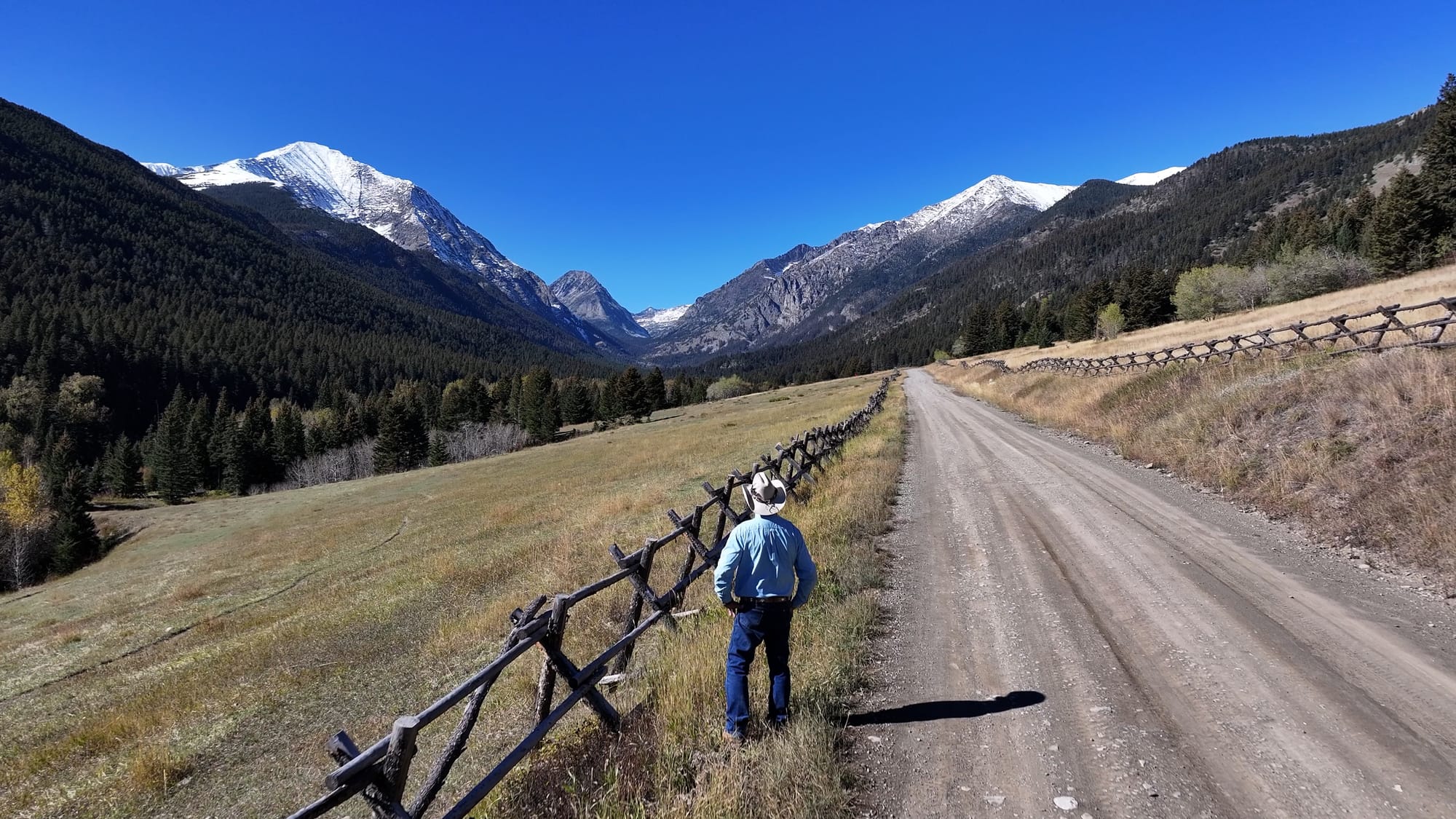
“Can you imagine elderly folks and younger folks trying to hike that,” asked Wilson on a visit to the future trailhead. “It's not hiker friendly at all. Definitely not hunter friendly.”
He looked up at the nearly vertical wall of shale rock where the trail is slated to start.
“It’s ridiculous,” he said.
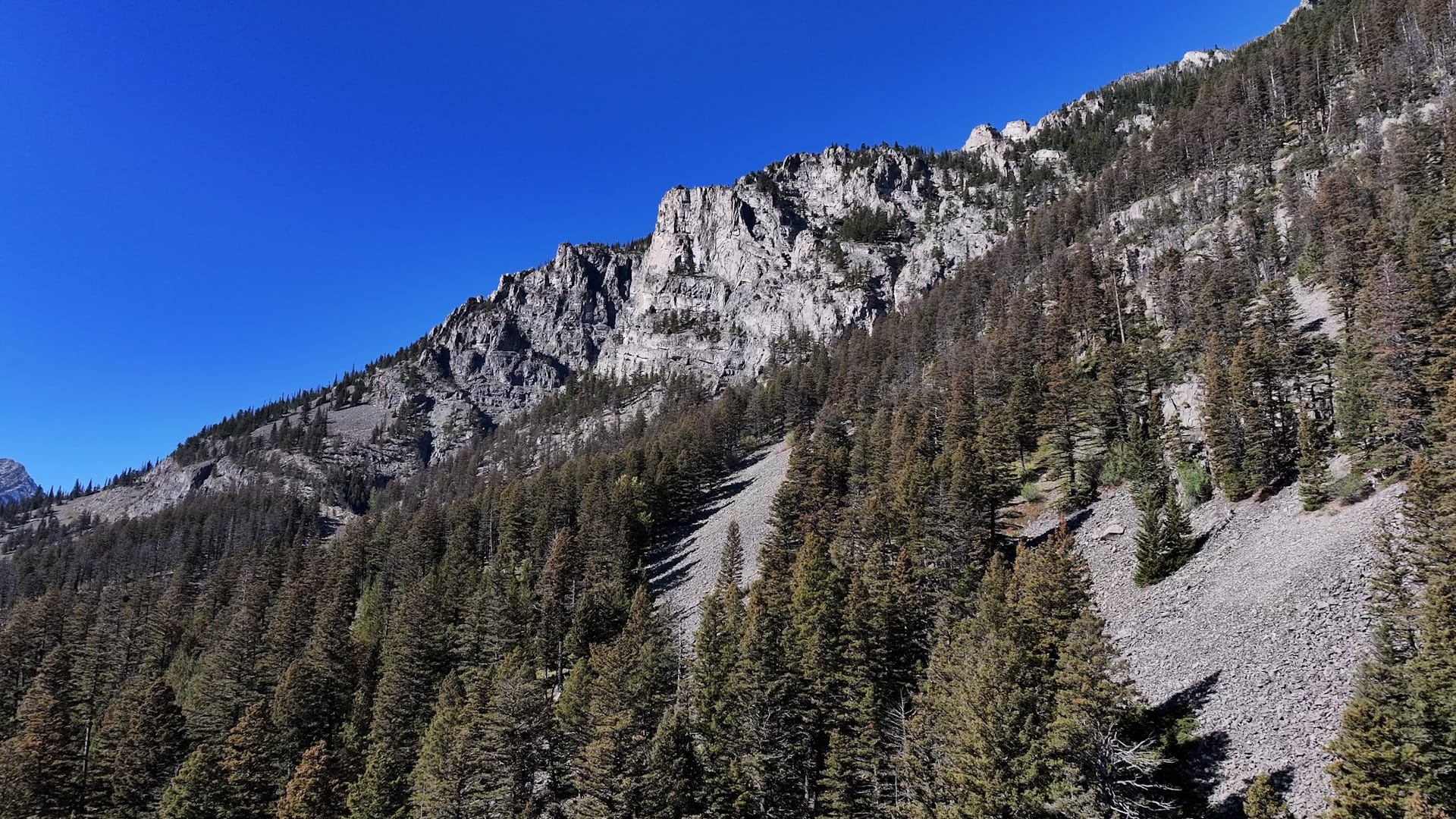
Erickson, the former supervisor, promises the new trail “will meet all Forest Service trail standards.” She said the exchange will resolve access disputes, create more wild country in the Crazies and strengthen public access in the range.
Proponents of the exchange also say the swap increases access to Crazy Peak, an important cultural and religious site for Crow tribal members. Leuschen, who owns the mountain, has reportedly agreed to allow tribal members to access the peak through a formal agreement.
Critics, however, have questioned why granting such access would be contingent on the land swap. No independent third party has ever seen the agreement and Leuschen has denied its existence. The Forest Service said it is not involved in the agreement’s “management or oversight” because it’s between two private parties, and a spokesperson did not respond when asked to confirm the agreement’s existence.
“Our concern was that it never materialized into something that was durable,” said Cleveland about the supposed agreement.
“The Crazies are an incredibly important, sacred place for the Crow Tribe. And to use that as perceived leverage in getting support for this land exchange, you know, just didn‘t feel right to us,” she said.
Tribal officials did not respond to Floodlight’s multiple interview requests, but some have expressed the tribe’s stance on the land swap in lukewarm terms in the past.
“There’s an assumption that we’re for it or against it. Really what matters is what gives us more access to the landscape,” Aaron Brien, the Crow tribal historic preservation officer, told a local TV station. “I want all Crow land should be back to Crow people.”
Considering the complexity of the swap, it's perhaps no surprise the public saw the deal as highly controversial. Roughly two-thirds of the more than 1,000 public comments submitted to the Forest Service opposed the exchange, according to a Floodlight analysis. Many cited the loss of historic public trails, low-elevation lands and the growing influence of Yellowstone Club.
“We don't look at that as that's an opposition,” former forest supervisor Erickson said. “We just look at that as, right up until the very end, people are trying to tell you what they hope you can get more of.”
Nylund, the former senate staffer, sees it another way.
“The public spoke, the Forest Service ignored them,” he said. “When one unelected bureaucrat can relinquish public access to hundreds of thousands of acres of public land and we don't get a say in it? That's a crisis.”
The proliferation of high-end private resorts, combined with the Trump administration’s pro-development policies, have only increased alarm among advocates across the country who say America’s public lands are now entering a very different era.
“America has always had this balance of people who seek to exploit her natural resources and those who seek to defend them,” said Posewitz.
That balance is now shifted, he said, because “those people who are supposed to be defending our interest … are actually actively facilitating the exploitation of these natural resources for the benefit of very, very few.”
“We’re losing pieces and pieces every day,” said Wilson during a recent drive along the eastern edge of the Crazies. Despite the power imbalance, he draws energy from the words of famed Montana conservationist, Jim Posewitz.
“Make ‘em take it from you,” he said.
Evan Simon is an investigative producer at Floodlight. A Peabody Award nominee and the winner of two National Emmy Awards, Evan leads Floodlight’s visual and video-based storytelling.

Ames Alexander is an investigative reporter at Floodlight. For more than three decades, his reporting has spurred reforms and saved lives, and he was a lead reporter on two investigations named finalists for the Pulitzer Prize.