Floodlight 2025 annual report
Dear Floodlight supporters and subscribers:
Over the last year, Floodlight has doubled down on producing investigative journalism that reveals wrongdoing and systemic obstacles to climate progress. We continue to ensure those projects reach the people most affected, and we're currently revamping our editorial strategy to maximize the potential impact of each and every story.
These are challenging times for climate journalism. Climate denialism is on the rise. And the news and information ecosystem is struggling, with layoffs of journalists and shuttering of news outlets continuing apace.
At Floodlight, we’re doing our part by providing fact-checked investigative climate coverage for free to local newsrooms that may not have the bandwidth to do that type of in-depth journalism. We work with news partners — outlets with national, regional, niche and local reach — to expose misconduct. We help their readers, listeners and viewers understand why they should care about the climate.
Our local-national partnership model is working. In 2025, Floodlight stories were seen by more people in more places than ever before. In 2024, 60 news outlets republished Floodlight stories. In 2025, our reports appeared in nearly 500 outlets across 47 states. Many republished us more than once, bringing the total number of local republications to 1,093, of which 80% were in red states.
And while many newsrooms cover climate change — and some conduct investigations — Floodlight is the only U.S. outlet focused entirely on revealing the actors and systems hindering climate progress and preparation. We show how corporations sow disinformation and influence officials to protect their profits at the expense of environmental and public well-being. We examine institutional, political and practical barriers that keep the U.S. from slowing or reversing climate change.
In the past year, Floodlight’s reporting has focused on consequential changes to U.S. climate policy as President Donald Trump aggressively pursues a largely fossil fuel-based energy agenda — and rapidly rolls back former President Joe Biden’s historic push to cut greenhouse gas emissions.
Thanks to the addition of highly talented staff to Floodlight in 2025, we are better positioned than ever to provide the in-depth climate news you need in these turbulent times.
— Emily Holden, Floodlight founder and executive director
Key Hires in 2025
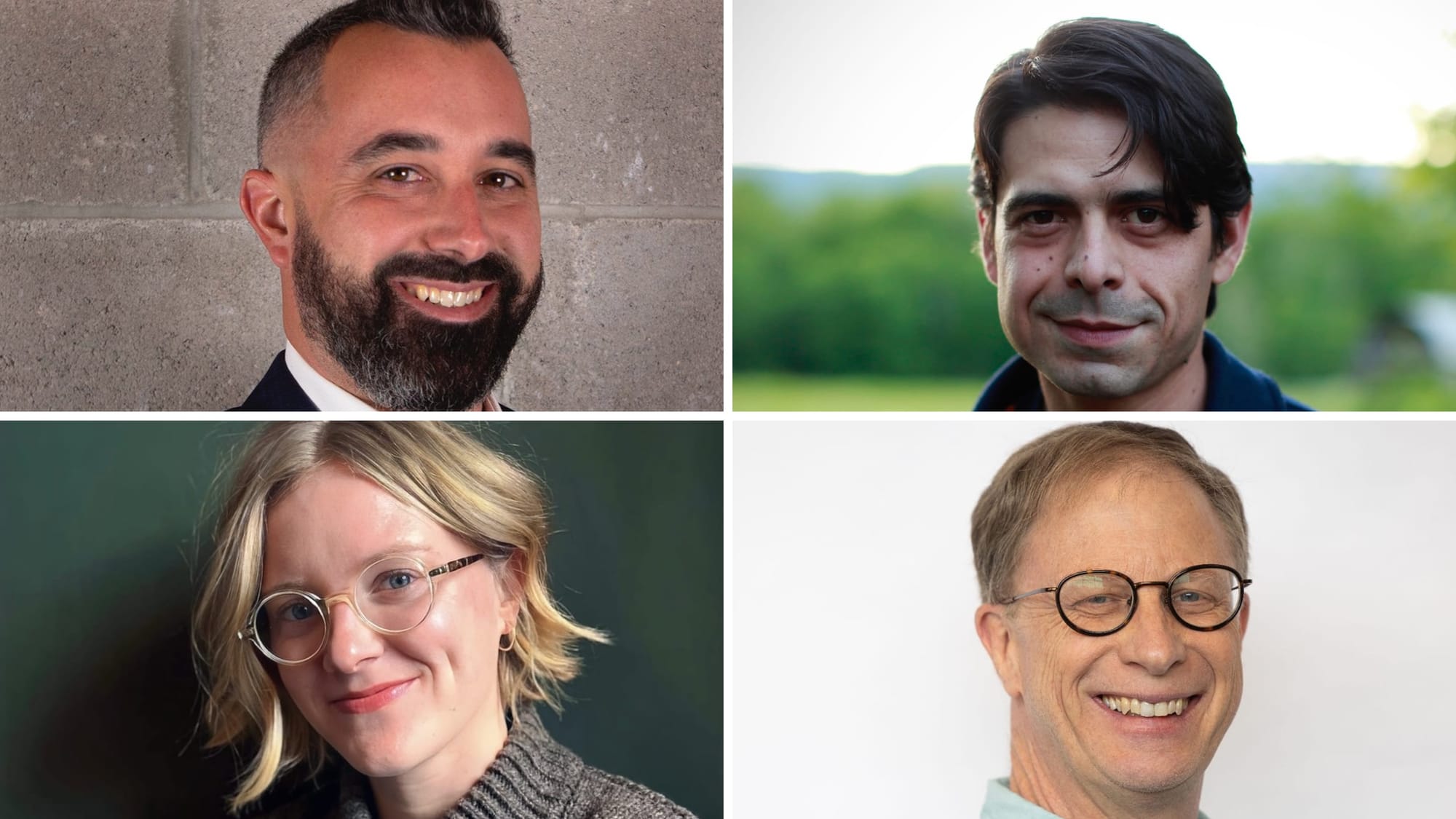
In January 2026, Floodlight welcomed a new editor-in-chief, Brad Racino, who took over for the retiring Dee J. Hall. Before joining Floodlight, Brad was the managing editor at New York Focus, a statewide nonprofit newsroom covering power and policy in the state. He previously served as editor and publisher at New York Cannabis Insider. Before that, Brad spent nearly a decade as an investigative reporter and editor at the investigative newsroom inewsource in San Diego. Brad is a national award-winning multimedia journalist whose work in TV, radio, print and digital has earned more than 100 state, regional and national honors.
In March, we brought on Ames Alexander, an award-winning investigative reporter from the storied Charlotte Observer. Ames has won nearly every major national award for investigative reporting that there is, and he was the lead reporter on two investigations named finalists for the Pulitzer Prize.
We also welcomed to the staff Rosie Gillies as Floodlight’s first-ever director of audience and development. Rosie, who joined the staff in March, is responsible for fostering partnerships with other news outlets, boosting the audience for our stories and assisting Emily in fundraising. Rosie is an accomplished leader in her field, coming to us from the news outlet Bolts.
In June, we hired Evan Simon, formerly of the ABC News Investigative Unit, as an investigative producer. Evan is leading our efforts to create video to increase multimedia coverage of climate accountability. Evan has won some of the most prestigious awards in broadcast journalism.
Top stories of 2025
Among Floodlight’s top coverage was Leaving Home: Life on America’s Vanishing Coastline, a series documenting the effects of climate change-fueled sea level rise on communities in Louisiana, New York and South Carolina. We showed how officials and vulnerable residents are largely unprepared for the coming coastal flooding crisis.
Our initial installment, reported by Ames with photos and drone video by CUNY intern Jeffrey Basinger, documents the growing threat in Charleston, South Carolina, where a massive seawall to protect the city’s historic downtown is planned — leaving less-wealthy neighborhoods to fend for themselves. Ames also identified multiple massive developments taking shape in areas already beset by flooding.
The second story in our Leaving Home series was reported by Evan and Terry L. Jones, with visuals by Evan and Jeff. It focused on the relocation of dozens of residents from Isle de Jean Charles, Louisiana. The first fully federally funded effort to move people from climate-caused sea level rise was not the model backers thought it would be. Indigenous leaders who hoped to recreate the community they had on the “old isle” were disappointed. And residents say the 3-year-old homes are rife with problems ranging from malfunctioning appliances and leaky doors to flooded yards.
In our final installment, Evan investigated how coastal flooding was playing out in New York City. With more than 500 miles of waterfront, few American cities are more vulnerable to sea level rise than New York, with estimates that more than 80,000 homes could be lost to flooding in the next 15 years. In the working class neighborhood of Edgemere, long-promised protection from flooding in the wake of 2012’s devastating Superstorm Sandy has been cancelled or delayed. Meanwhile, construction is underway on the $2.7 billion Big U project designed to protect wealthier residents and property in Lower Manhattan.
The working class community of Edgemere is among New York City’s most flood-prone neighborhoods, yet residents say they’ve been largely left out of the city’s coastal defenses. (Evan Simon and Jeffrey Basinger / Floodlight)
Ames reported a story, and a followup piece in collaboration with Georgia Public Broadcasting, about how three poor communities in the South were promised electric vehicle plants employing thousands of workers — only to see those grand plans fade from view.
In other stories, we revealed how changes under the Trump administration are hampering climate progress. Ames showed how the move to decarbonize cement making could significantly cut greenhouse gas emissions — but federal subsidies to do so are drying up under Trump. He examined how Defense Secretary Pete Hegseth’s rejection of climate preparedness could harm troops and operational readiness. And Ames documented for the first time how much Trump was slashing climate-related programs at the U.S. Environmental Protection Agency: $2.7 billion in spending cuts, wreaking havoc on some of the country’s most vulnerable communities.
Other top stories included our investigation into the influence of tens of millions in fossil fuel funding that flows into Louisiana State University. The investigation found the money allows the industry to place a thumb on the scale of what gets studied at the state’s flagship university — and what gets left out. This project was a collaboration among former Floodlight reporter Pam Radtke and reporters from WWNO/WRKF public radio and the Louisiana Illuminator. It included a podcast segment featuring Pam’s reporting.
Pam also investigated the Louisiana Public Service Commission’s “slush fund.” The program allows each of the five commissioners to pick energy efficiency projects within their districts to fund with up to $3.8 million a year in ratepayer money. But as Pam found, this PSC program has few rules, is ripe for favoritism and not based on the best or most efficient energy upgrades.
One of our best-read stories of the year was Ames’ investigation into the “dark roof” lobby, a well-funded effort by asphalt roofing manufacturers to convince state legislatures and local governments to reject cool-roof regulations. Ames found the lobbying effort uses misinformation and questionable research to undermine the overwhelming evidence that light-colored roofs keep homes and their surroundings cooler.
 Ames Alexander/Floodlight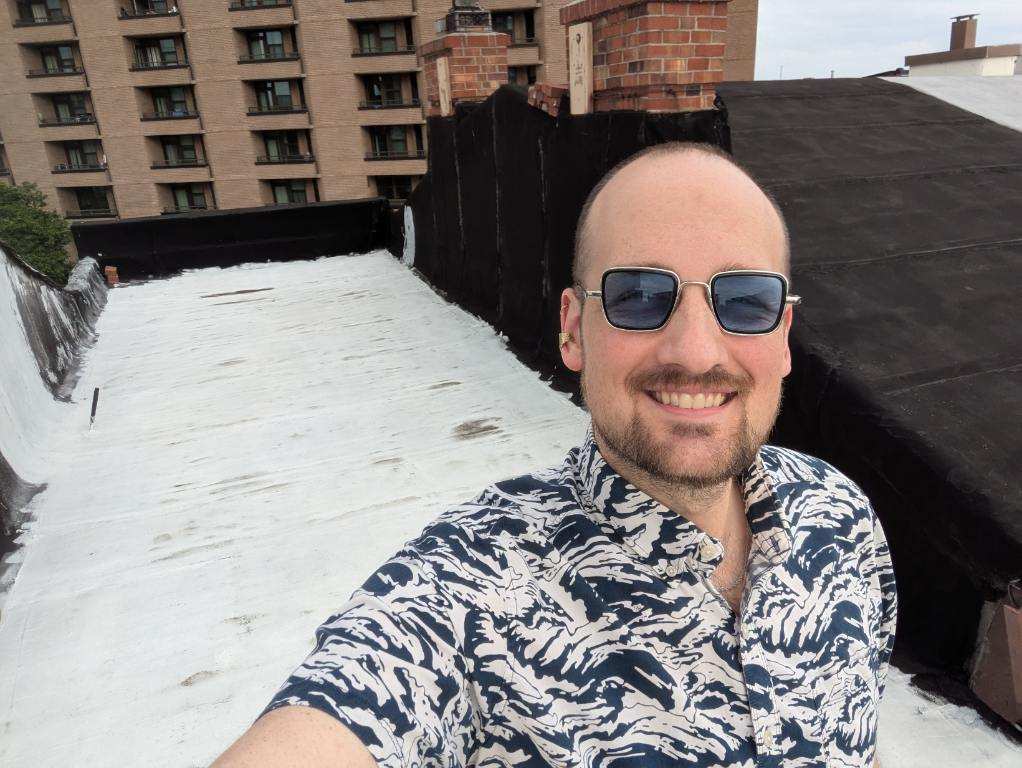
Our video initiative is off to a strong start. Our first video, produced by Evan and Jeffrey, showed how “frontline” communities were trying to halt the boom in liquefied natural gas facilities along the Gulf Coast in Louisiana. Residents told our reporters that the export terminals have already badly damaged the local fishing industry and will make the heavily industrialized communities even more of a “sacrifice zone.” An Instagram video Evan made of the story got more than 250,000 views.
Former Floodlight reporter Mario Alejandro Ariza reported on how formerly redlined neighborhoods and their residents are still paying the price for historical discrimination when it comes to energy. Mario found that residents in these neighborhoods often are served by underpowered grids, making them unable to join the move toward electrification — or save money by adopting renewables.
Mario also investigated how thousands of farmers and small rural businesses faced losses of tens of thousands of dollars each after the Trump administration appeared to renege on incentives to install renewable energy projects. Mario and Ames later teamed up with Barn Raiser to report that the administration had reversed course, ending the funding freeze for rural farmers and business owners — but only if they were willing to recast their projects as meeting Trump’s energy priorities.
In partnership with the Texas Tribune, Terry explored the promise of geothermal, which currently generates less than 1% of the U.S. energy supply. Researchers and backers say geothermal could become a nearly endless renewable source for heating, cooling and electricity. But the cost is high, and tax credits that could speed its adoption are in Congress’ crosshairs.
Terry also appeared in the documentary, “The Jobs Myth,” by The YEARS Project. The short film features Terry’s reporting on the failed promises made to communities of color when polluting industries move into their neighborhoods. In a surprising twist, Kim Terrell, the researcher who quantified those broken commitments, resigned in June from her position at Tulane’s Environmental Law Clinic, citing university and political interference into her work. (Floodlight had no editorial control over the documentary.)
Evan provided visuals for a Floodlight/Sentient collaborative series exploring the large role food waste plays in generating greenhouse gas pollution — and why it’s so hard to avoid.
 Gaea Cabico/Sentient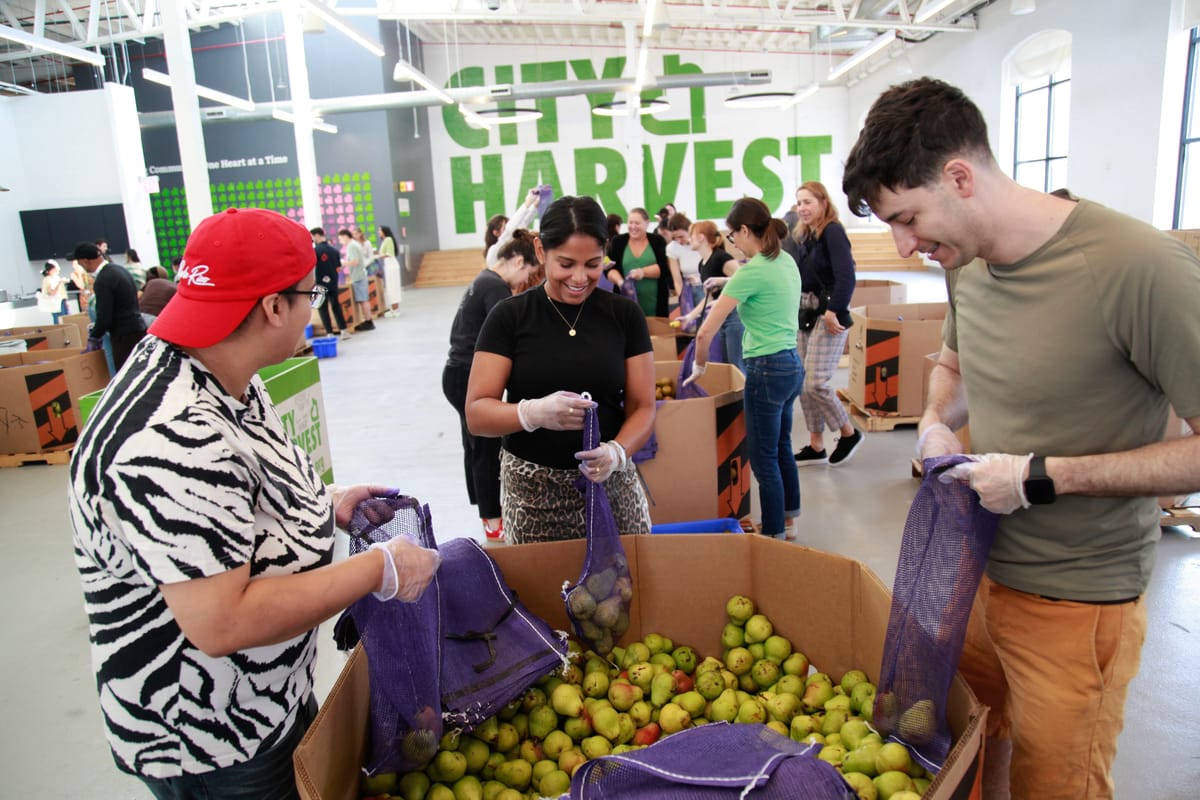
Ames also revealed the largely hidden harm that America’s huge increase in corn production is having on the climate. Thanks to federal subsidies and a mandate to use corn-based ethanol in many fuels, U.S. corn production has skyrocketed — and with it, emissions of nitrous oxide, an extremely potent greenhouse gas.
Audience, partnerships greatly expand in 2025
We published fewer stories this year than in 2024, a deliberate shift as we prioritized deeper investigations over daily news. But the audience gains that followed make clear the strategy has paid off.
In September 2025, the first month under our new approach, Floodlight published just two stories — but it was also our highest-traffic month ever. It shows that audiences value what makes Floodlight unique: our investigative focus, our accountability reporting and our commitment to depth over volume.
Partnerships also grew by an extraordinary amount. In 2024, we were republished by 60 newsrooms. In 2025, that number jumped to 486. Thirty-one of those were national outlets, including The Guardian, NPR, Grist and other newsrooms focused on climate accountability. We also deepened our relationships with single-issue publishers whose coverage intersects with climate, including Next City (urbanism), Scalawag (justice and equity in Southern communities), The Hechinger Report (education), Barn Raiser (rural issues), ICT (Indigenous news), Prism (LGBTQ issues), Truthout (social justice) and others.
The largest area of growth came from local outlets; 453 of the 486 newsrooms were hyperlocal, city-based, statewide or regional publishers in 47 states. Many republished us more than once, bringing the total number of local pickups to 1,093. Among those pickups, 80% were in red states, allowing our investigations to reach communities far beyond the usual climate news audience.
Awards and honors
In 2025, Floodlight won several national and regional awards for our reporting in 2024.
Our story about how Black civil rights leaders were being co-opted by powerful utility companies took first place for the NABJ (National Association of Black Journalists) award for best Digital Media — Single Story: News. This story was reported by former staffers Mario Alejandro Ariza and Kristi E. Swartz in collaboration with Capital B’s Adam Mahoney.
Our 2024 coverage of media manipulation by fossil fuel interests won several awards, including honorable mention in the 2024 Thomas L. Stokes Award for Best Energy and Environment Writing from the National Press Foundation; first place from the Los Angeles Press Club for mis- and disinformation reporting; and first place from the National Press Club’s Arthur E. Rowse Award for Examining the News Media.
National Press Club judges praised the coverage “for its high-quality reporting, its narrative strength, and its ability to surface an urgent yet little-known issue at the intersection of media, power and public trust.”
In these stories, former Floodlight reporter Miranda Green, along with media partners, exposed how corporations and special interests were manipulating public opinion by creating “news” outlets to push their hidden anti-renewable, pro-fossil fuel agenda — in two cases even taking over legacy local news outlets to do it. This coverage was made possible through partnerships with NPR, ProPublica, the North Dakota News Collaborative, the Tow Center for Digital Journalism and students from the University of California Berkeley’s Investigative Reporting Project.
How we made a difference
Here is some of the impact we saw in 2025 from our earlier coverage:
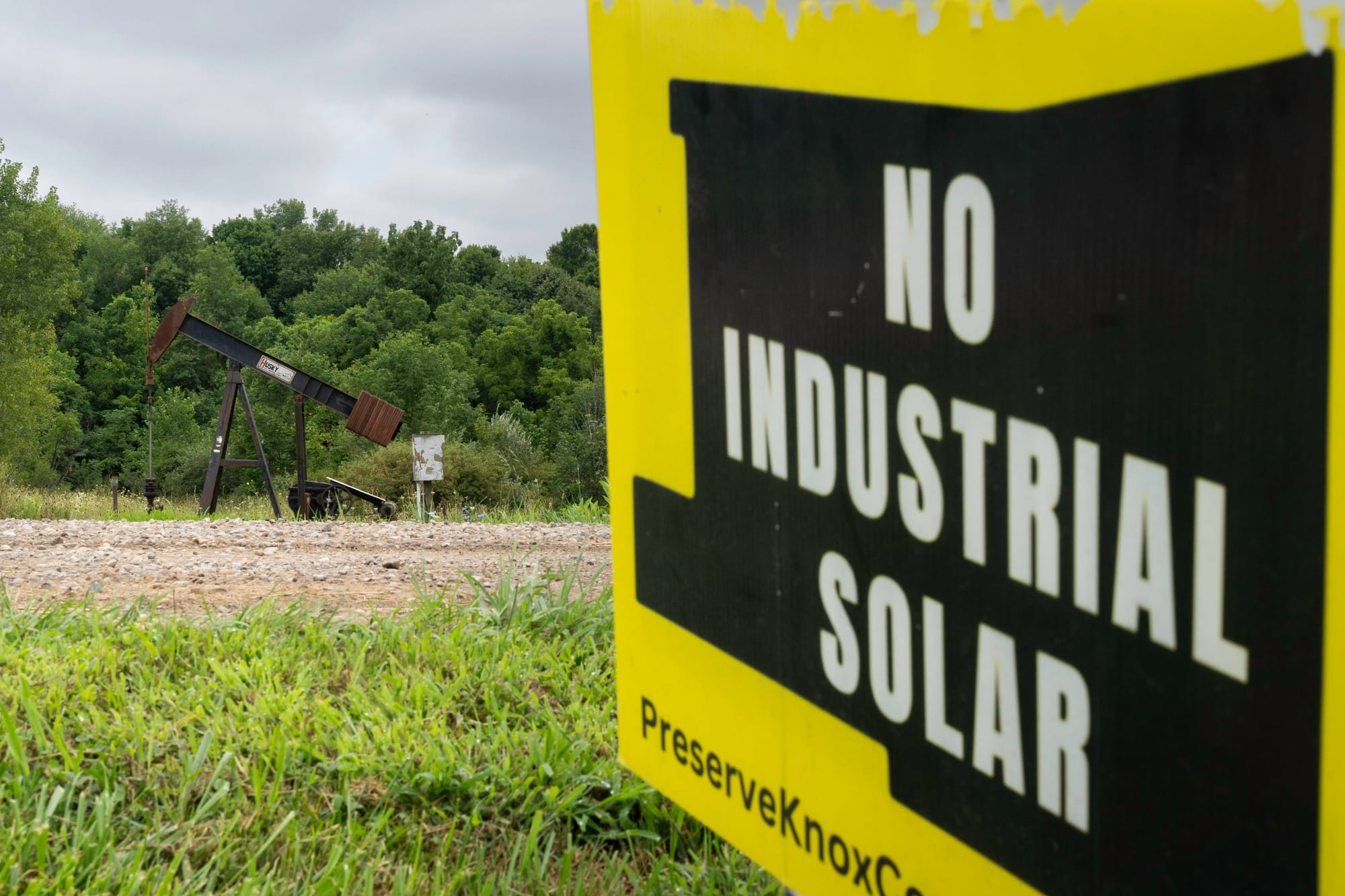
In 2024, Floodlight, ProPublica and the Tow Center revealed how fossil fuel-funded interests — including the local newspaper and an astroturf anti-solar group — had created an echo chamber of misinformation in one Ohio county. In June 2025, the Ohio Power Siting Board approved the Frasier Solar project despite what appeared to be widespread public opposition. Coverage by Floodlight and other outlets helped to dispel false information about solar’s impact and revealed the forces behind that campaign of deception. Our story helped local residents and decisionmakers realize how they had been manipulated by these stealth anti-solar forces.
Also in 2024, we revealed how a “pink slime” media company supported by pro-fossil fuels sources was behind a “weird” newspaper that appeared to be focused on influencing a jury pool in North Dakota. The community, Morton County, was the site of a high-stakes lawsuit filed by a pipeline company against Greenpeace. The environmental group later cited our work in motions to force discovery and for a change of venue. Although both motions failed, our work informed the highly contested local debate. The jury award has since been cut in half, and Greenpeace International is now fighting the judgment, arguing that Energy Transfer’s legal action was a Strategic Lawsuit Against Public Participation, or SLAPP.
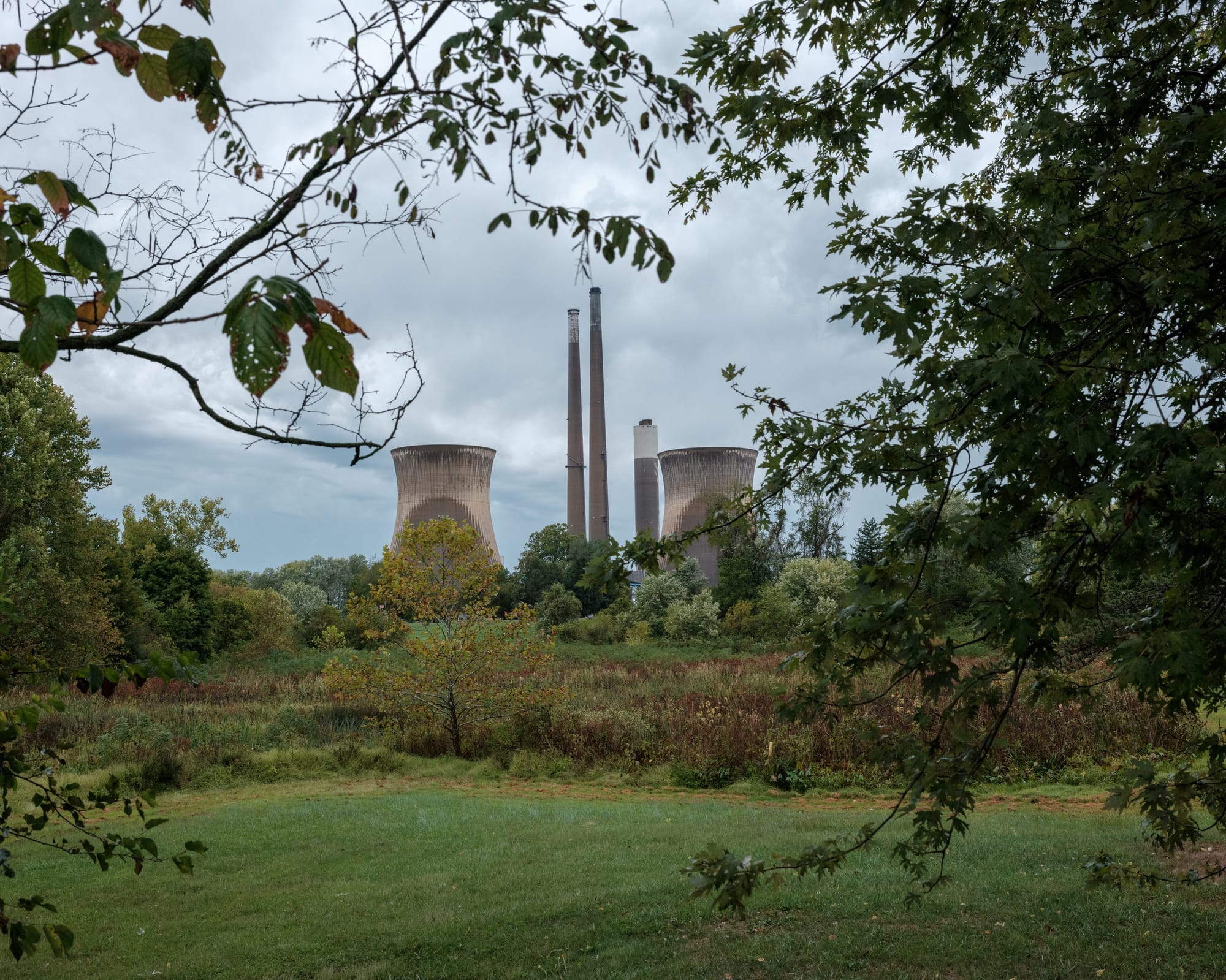
More recently, court filings from a whistleblower in West Virginia support our 2024 investigation into Omnis Energy, a company promising to turn a coal plant into a hydrogen and graphite production facility. Floodlight, in partnership with Mountain State Spotlight and WTAP-TV, alerted local residents to the fact that the project — fueled by a $50 million forgivable state loan — rests on an unproven technology proposed by a company and CEO with a history of loan defaults.
Impressed by our work? We need your support
Floodlight worked hard in 2025 to continue to put our independent nonprofit news organization on solid financial footing for the future. We thank our generous foundation supporters for their new and renewed commitments. (Click here to learn more about Floodlight's donors and to see our IRS tax forms.)
But our institutional support is not enough. Our work relies on direct support from our readers. To those of you who already subscribe — thank you! And if you don’t yet, consider making a one-time donation or becoming a member to support our mission to investigate the powers stalling climate action.